Most EV routing software demos look the same: a map, a route line, a battery icon. The differences that actually matter, the ones that determine whether your drivers trust the app or abandon it after two bad range estimates, don't show up until you're deep in evaluation. Here's what CPOs and eMSPs should actually be comparing.

1. Charging data quality
Route accuracy is only as good as the charger data underneath it. That means real-time status (available, occupied, out of service), accurate connector types and power ratings, and pricing that reflects what a driver will actually be charged and not a static database updated quarterly. Ask vendors how often charger data refreshes and where it comes from.
2. EV-specific routing accuracy
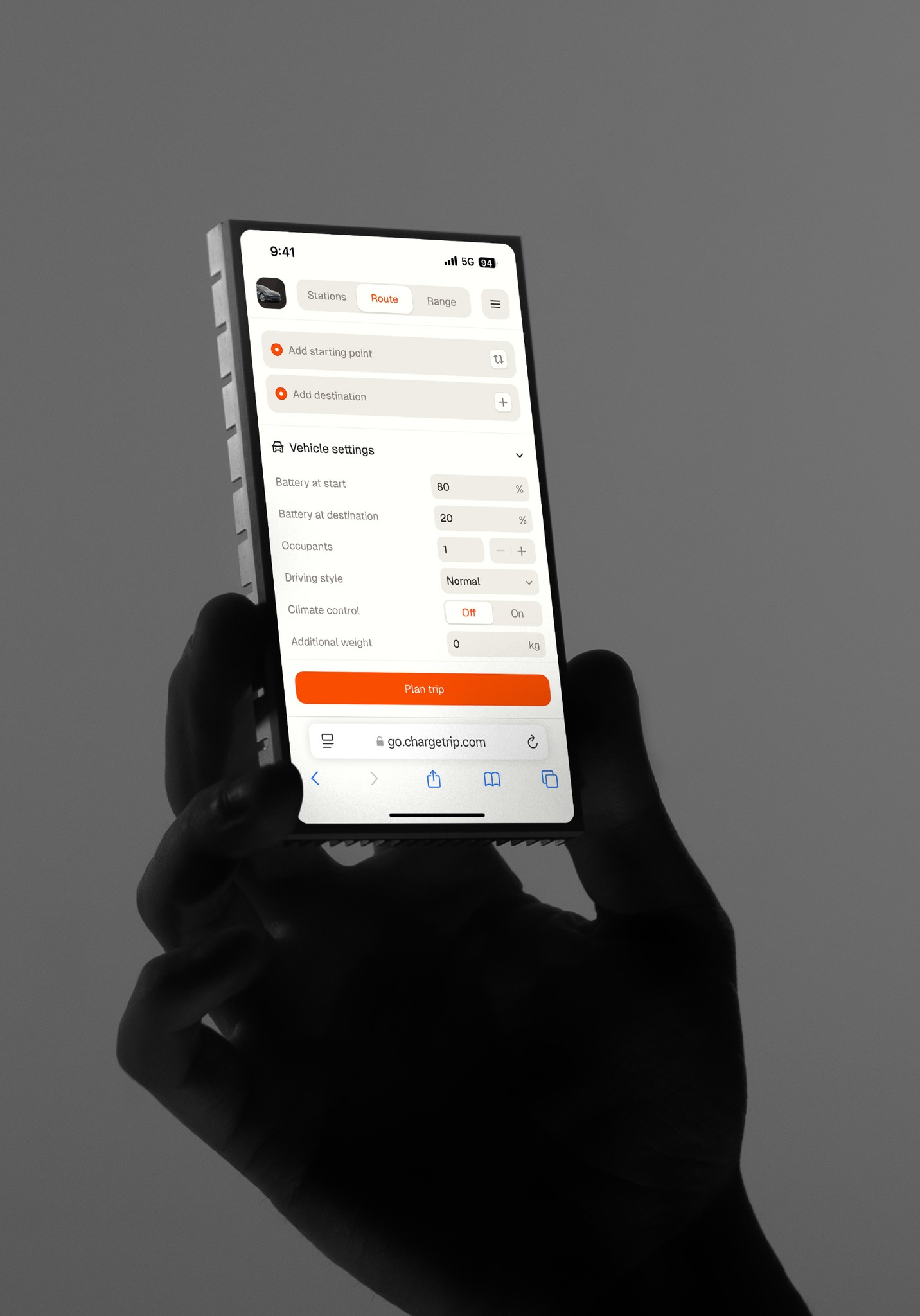
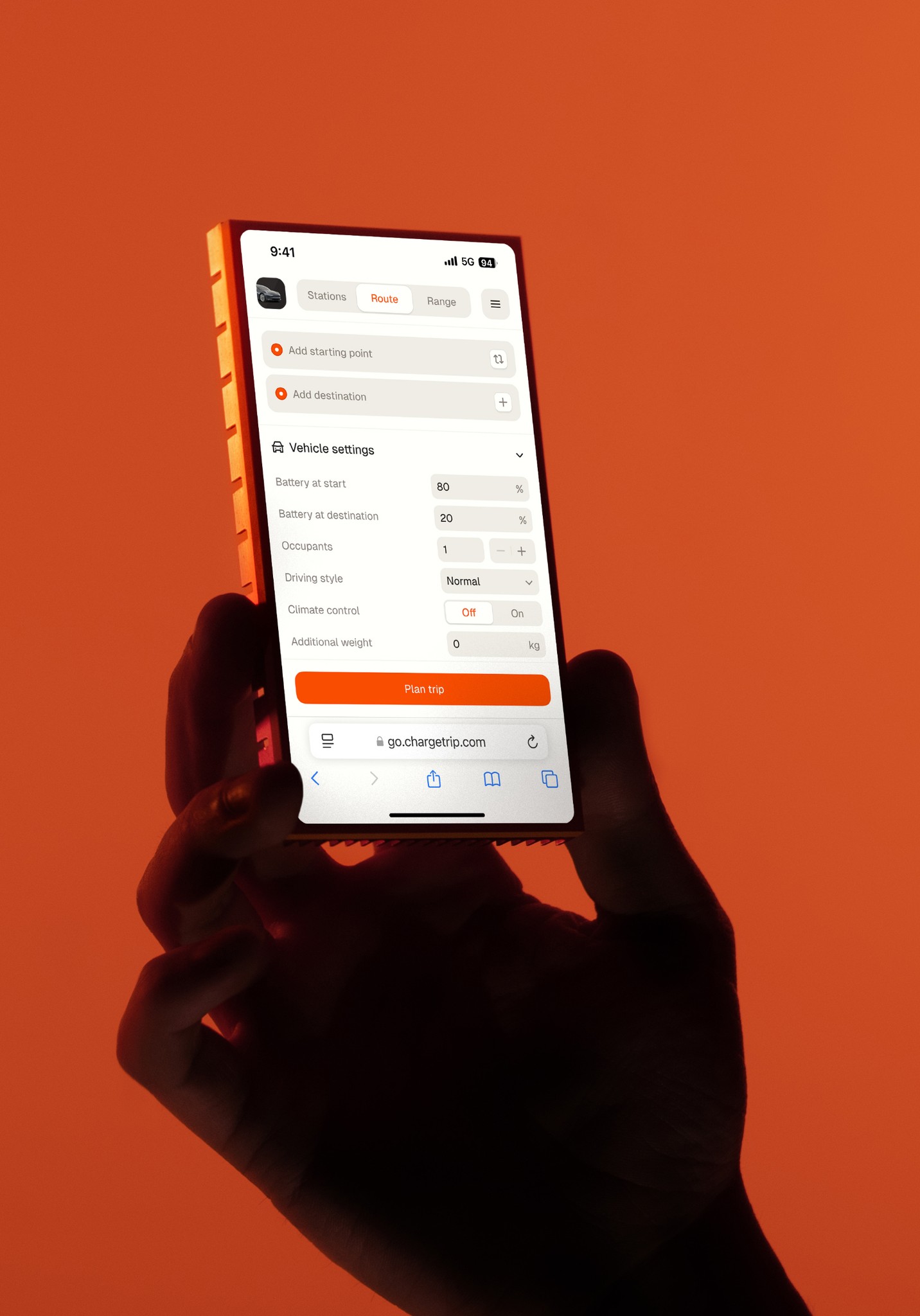
Generic mapping APIs treat range as a fixed number. Real EV routing accounts for vehicle model and battery specs, elevation changes, temperature, driving style, and charging curve (how charging speed changes as the battery fills). Two vehicles with the same "range" spec behave very differently on a hilly winter route, software that ignores this produces routes that leave drivers stranded or over-charging out of caution.
3. API fit and integration effort
Routing software needs to slot into your existing app, fleet system, or driver-facing platform without a multi-quarter integration project. Look at API documentation quality, SDK availability for your platform, and whether the vendor supports the specific use case (turn-by-turn navigation vs. trip planning vs. fleet dispatch) rather than a one-size-fits-all endpoint.
4. Operator control over routing logic
Not every CPO or eMSP wants the same default behavior. Can you weight routes toward your own network's chargers? Set custom charging buffer preferences? Exclude certain charger types? Routing software that's a black box limits your ability to differentiate your product or protect margin on preferred charging partners
5. Multi-network and roaming support
If your drivers charge across networks, your routing software needs charger data and status across those networks too, not just the ones you operate. Ask how many networks are covered and how that coverage is maintained.
6. Scalability and reliability under load
A routing API that performs well in a demo with ten test calls needs to hold up at fleet scale with thousands of concurrent route requests, especially during peak commute or holiday travel windows. Ask about uptime guarantees and how the system handles high-demand periods.
7. Support for commercial and fleet use cases
Consumer-grade routing (single trip, single driver) is a different problem from fleet-grade routing (multiple vehicles, depot constraints, delivery windows, driver shift limits). If you serve commercial customers, the routing software needs fleet-specific features and not a consumer tool with a fleet label bolted on.
Weighing these against each other
No vendor wins on all seven. The right prioritization depends on your business: a retail eMSP app cares more about factor 2 and 5 (accuracy and roaming), while a fleet-focused CPO cares more about 6 and 7 (scale and commercial fit). Start by ranking these against your actual driver complaints and support tickets which is usually a faster signal than any vendor's feature list.
Chargetrip's routing API is built around EV-specific accuracy, real-time charging data, and configurable routing logic for CPOs, eMSPs, and fleet operators who need more than a generic mapping layer.