A charger sitting empty isn't the problem. A charger sitting occupied by a car that finished charging twenty minutes ago is the problem. That's idle time, and for charge point operators and retail charging networks, it's quietly eating into utilization, revenue, and driver satisfaction all at once.

What idle time actually costs you
Idle time shows up in two forms. Blocked time: a vehicle stays plugged in after its session ends, physically occupying a bay another driver needs. And dwell overrun: a driver lingers past a reasonable charging window, whether they're grabbing a coffee, running an errand, or just not paying attention to their app.
Both look the same on a utilization report a charger that's "in use" but not actually delivering energy. The difference matters because the fixes are different.
Why it happens
No clear session end signal. Many networks don't proactively notify drivers when charging completes. If the app doesn't ping them, the car doesn't move.
Idle fees that don't bite. Idle fees exist on paper at a lot of stations, but if they're not enforced consistently or the driver doesn't know about them until the invoice arrives, they don't change behavior.
Poor session visibility for operators. Without real-time session status feeding into your management system, you can't tell the difference between a charger that's broken, a charger that's actively charging, and a charger that's just occupied.
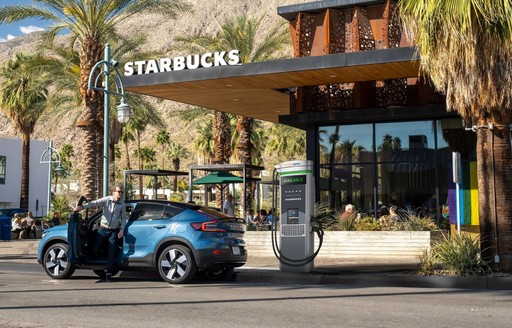
Location design. Stations placed next to high-dwell destinations: shopping centers, restaurants, naturally see longer occupancy even after charging finishes, unless something actively counteracts it.
Tactics that actually move the number
Push notifications tied to real charging data. The most effective lever is telling drivers, accurately, when their session is done and how much longer they can reasonably stay before a fee kicks in. This only works if the underlying charging session data is accurate, estimated ranges and completion times based on real vehicle and charger behavior, not generic assumptions.
Graduated idle fees. A flat fee that starts the second charging ends tends to create disputes. A short grace period followed by an escalating fee (e.g., low for the first 10 minutes, higher after) tends to change behavior without generating complaints.
Session-aware routing and app guidance. If your app or a routing partner surfaces charger status in real time, not just "available/occupied" but "actively charging vs. idle-occupied" — drivers factor that into where they go, and operators get a clearer read on true throughput.
Dynamic pricing by time of day. Idle time hurts most during peak hours. Charging networks that vary idle fees or session pricing by demand period see less overrun exactly when it matters.
Reducing idle time isn't about squeezing drivers. It's about making the charger available for the next session faster, which is the entire economic point of a charging station. A network that solves blocked-charger and dwell-overrun problems sees more sessions per charger per day without adding a single new plug.
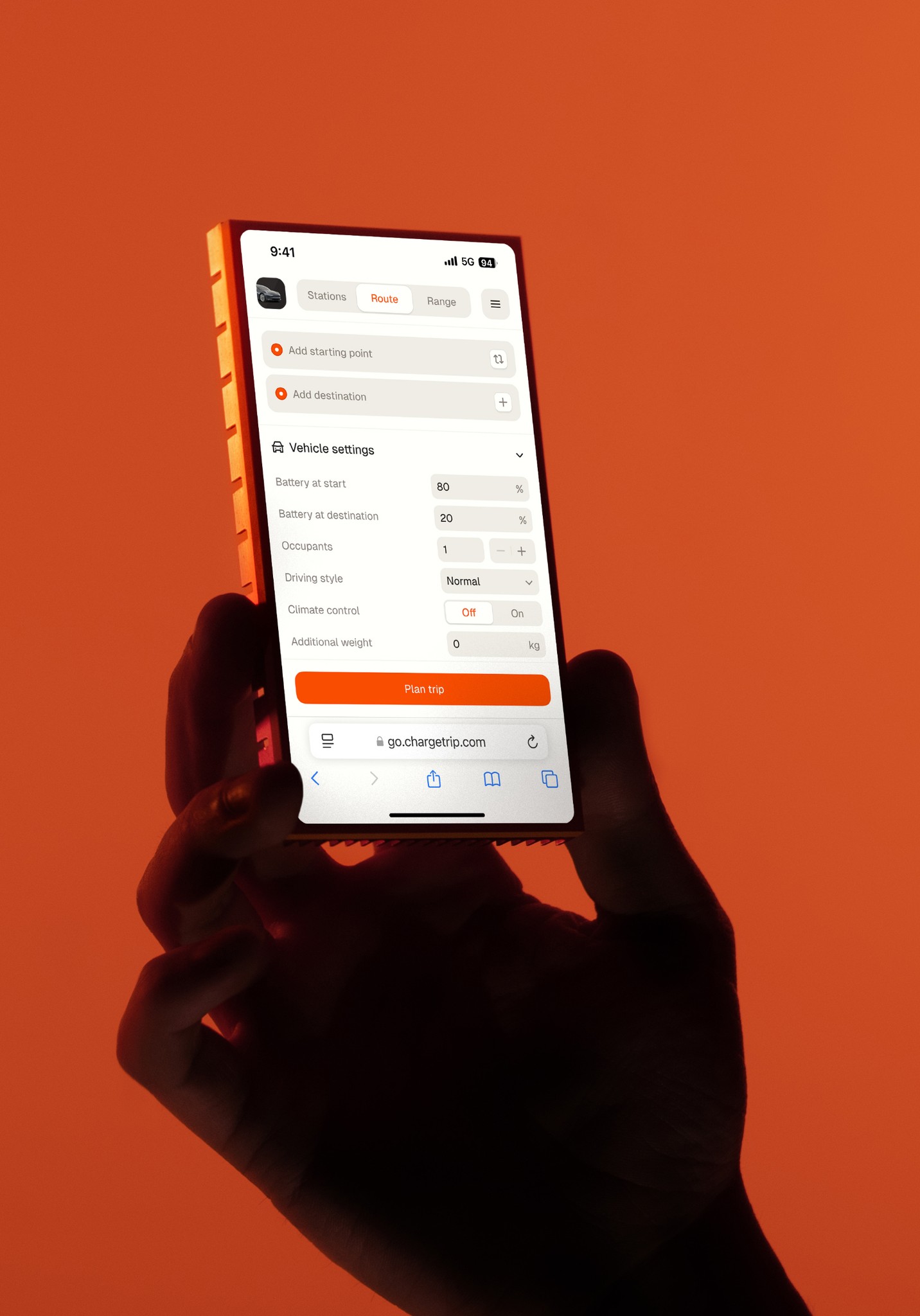
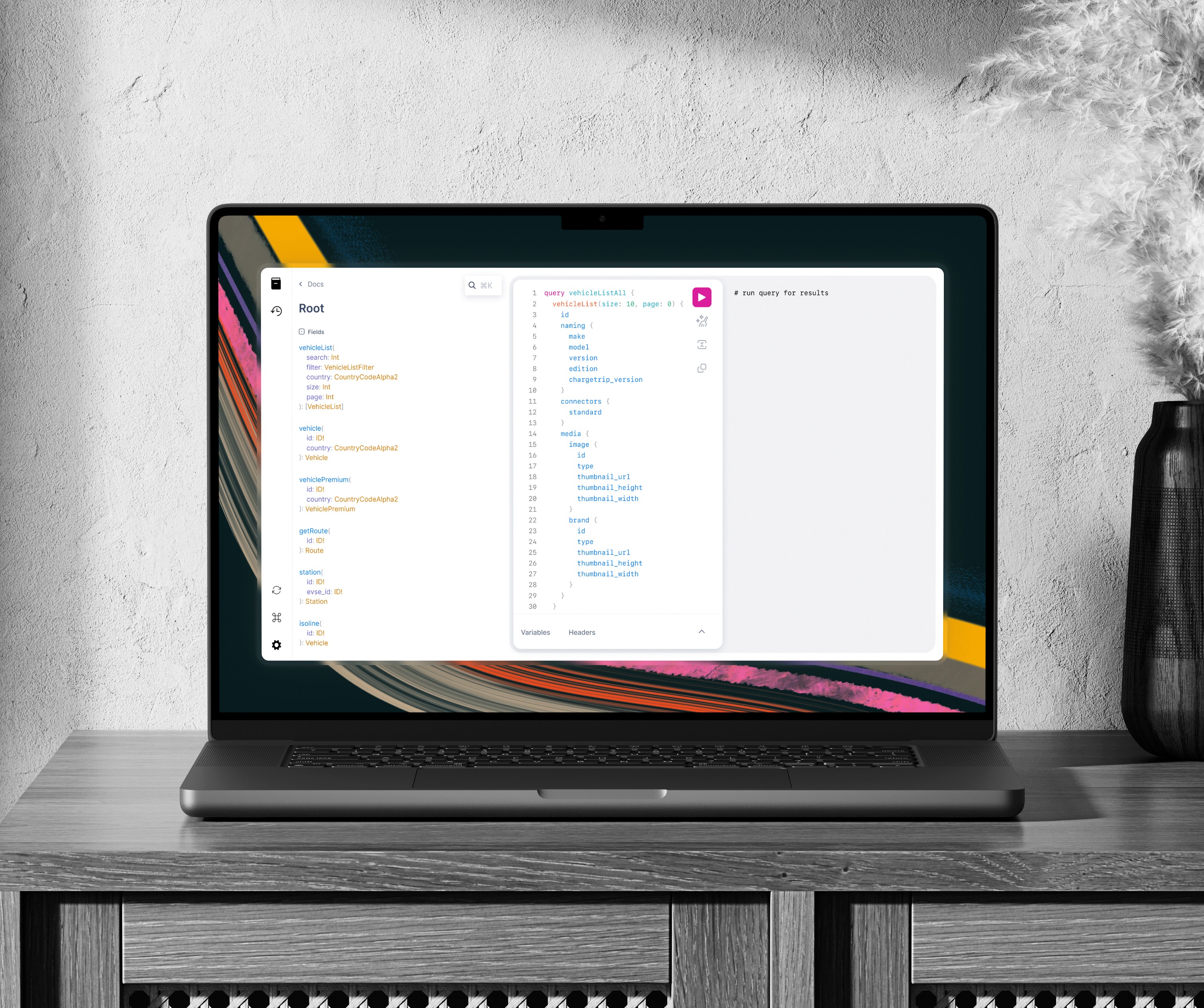
Accurate session data is the foundation for all of it, you can't manage what you can't measure in real time. Chargetrip's routing and charging intelligence gives operators and their driver-facing apps the live session and charger status data needed to notify drivers accurately and price idle time fairly.