The vehicle consumption database is the first and most underestimated component. EV routing is only as good as the consumption models underlying it. A consumption model for a specific vehicle, the Mercedes eSprinter 55 kWh, for example, is not a range figure from the spec sheet. It is a curve describing energy use per kilometre at different speeds, gradients, temperatures, and loads, validated against real driving data. Building this for the 50 to 100 EV models most commonly used in European commercial fleets requires either a significant data collection programme or licensing from a data provider. Reaching the quality level required for reliable commercial fleet routing (not demo-quality, production-quality) takes 12 to 18 months.
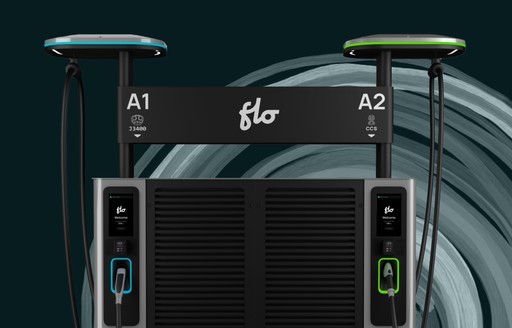
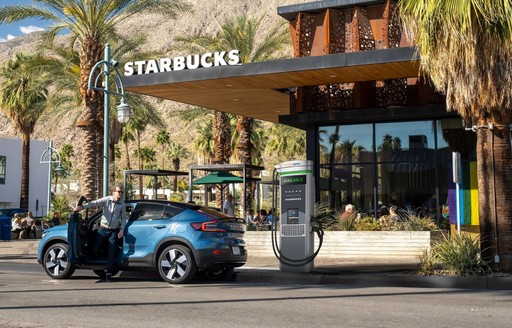
The charging station database is the second component. Station location, connector type, charge speed, network access requirements, and availability status — maintained continuously as the network evolves. Stations open, close, change power outputs, merge networks, and fault. A database that is two weeks out of date produces routing recommendations that fail in the field. Maintaining this at production quality is ongoing operational work, not a one-time build.
The routing algorithm is the third component. For single-trip routing, the energy-constraint logic is manageable. For multi-stop routing, optimising a delivery sequence while treating battery state as a constraint across the entire sequence, the algorithm complexity increases significantly. Edge cases accumulate: what happens when a planned station is unavailable? How does partial charging interact with the stop sequence optimisation? How does the algorithm handle the interaction between cold-weather charging curves and stop duration estimates? Building this to production robustness requires specialised routing engineering expertise.