Lithium-ion batteries are electrochemical systems. The reactions that release energy slow as temperature drops. A battery pack delivering 100% of its rated capacity at 20 degrees delivers roughly 80% at 0 degrees and 60 to 65% at minus 10 degrees. The capacity has not permanently changed — warm the battery back up and it recovers. But on a January morning at a Dutch distribution depot, that option is not available.
That is only the first effect. The second is cabin heating.
Heating an EV's interior draws from the traction battery. Unlike a combustion vehicle, which uses waste heat from the engine, an electric drivetrain produces almost none. The heat pump or resistive heating element keeping the driver warm on a cold morning pulls kilowatts directly from the range budget. On a long motorway run in January, cabin heating can account for 15 to 25% of total energy draw. Range shrinks from two sides simultaneously.
The practical numbers for a van rated at 200 km WLTP: on a 3-degree January morning, loaded, running the heater, real-world range is somewhere between 120 and 145 km. A routing system using the 200 km figure will generate routes that look correct on screen and fail in the field.
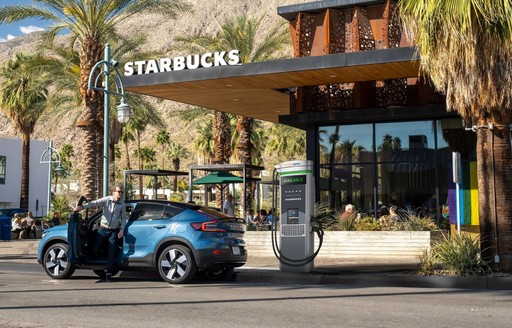
There is a third factor that makes cold weather worse in commercial fleet operations specifically: charging slows down in the cold. Most DC fast chargers limit their output when the battery is cold to protect the cells. A stop planned for 18 minutes at a fast charger in August might take 28 minutes in January. A routing system that does not account for this produces arrival time estimates that are consistently optimistic in winter.
The fix requires a routing engine that treats temperature as a genuine input — one that adjusts each vehicle's consumption model based on the day's forecast, not a blanket seasonal adjustment applied uniformly to all EVs. Different vehicles respond to cold differently depending on their battery chemistry and thermal management architecture. A blanket 20% reduction is a guess. Per-model cold-weather curves are routing.