When is the charging decision is actually made?
For most EV drivers, the charging decision is not made at the charger. It is made 20 minutes before departure, or the evening before a long trip, when the driver is asking: will I make it, and if not, where do I stop?
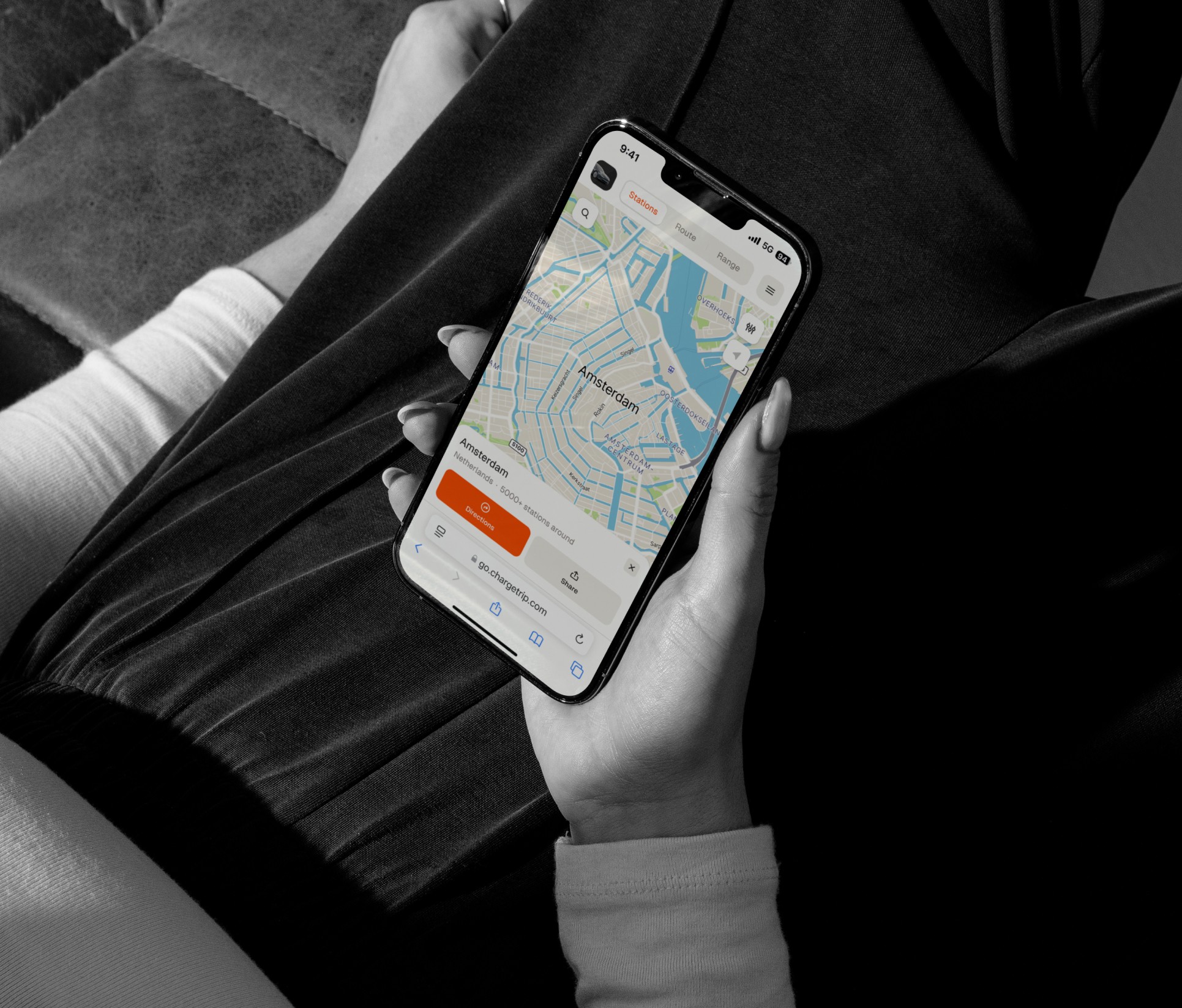
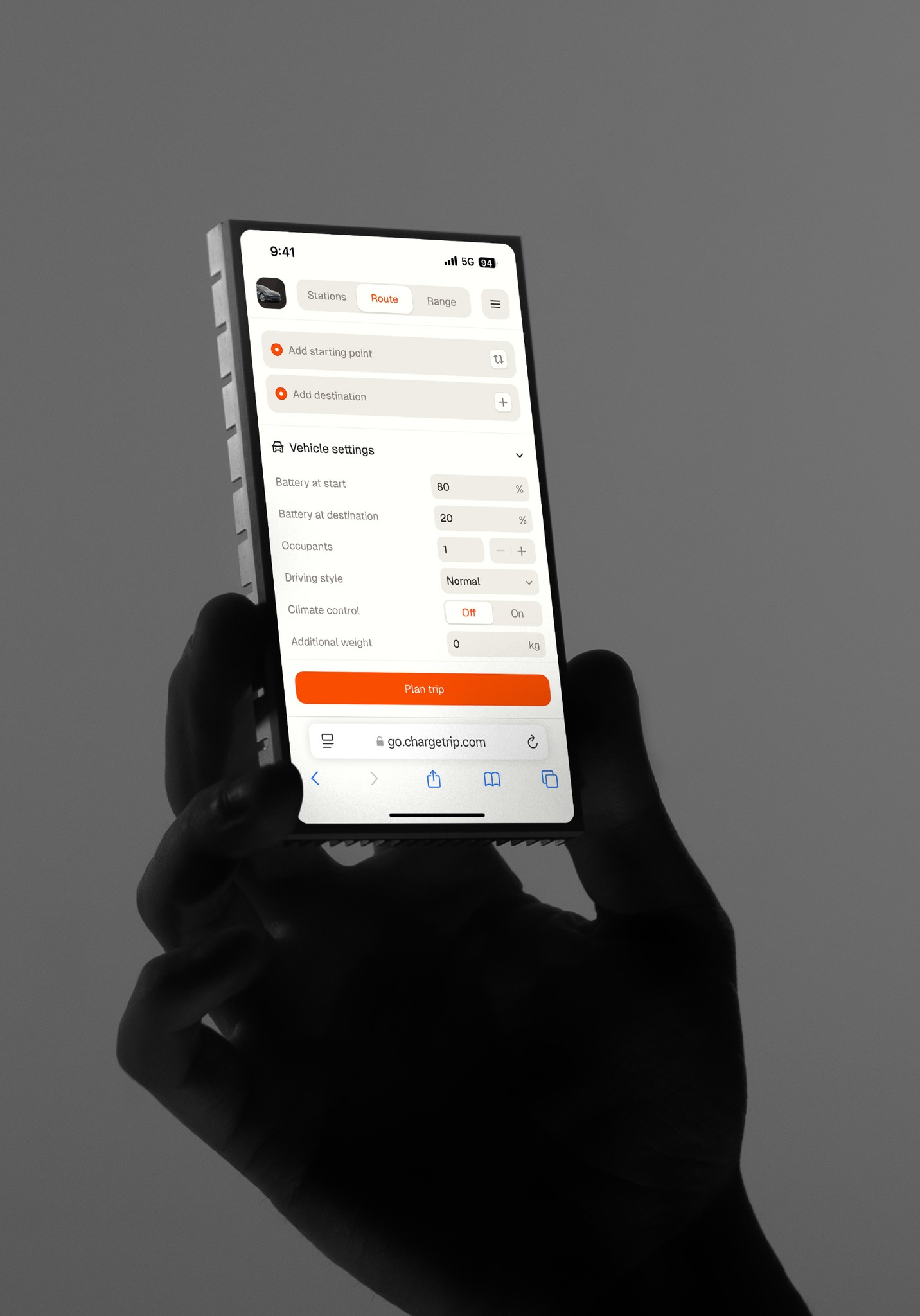
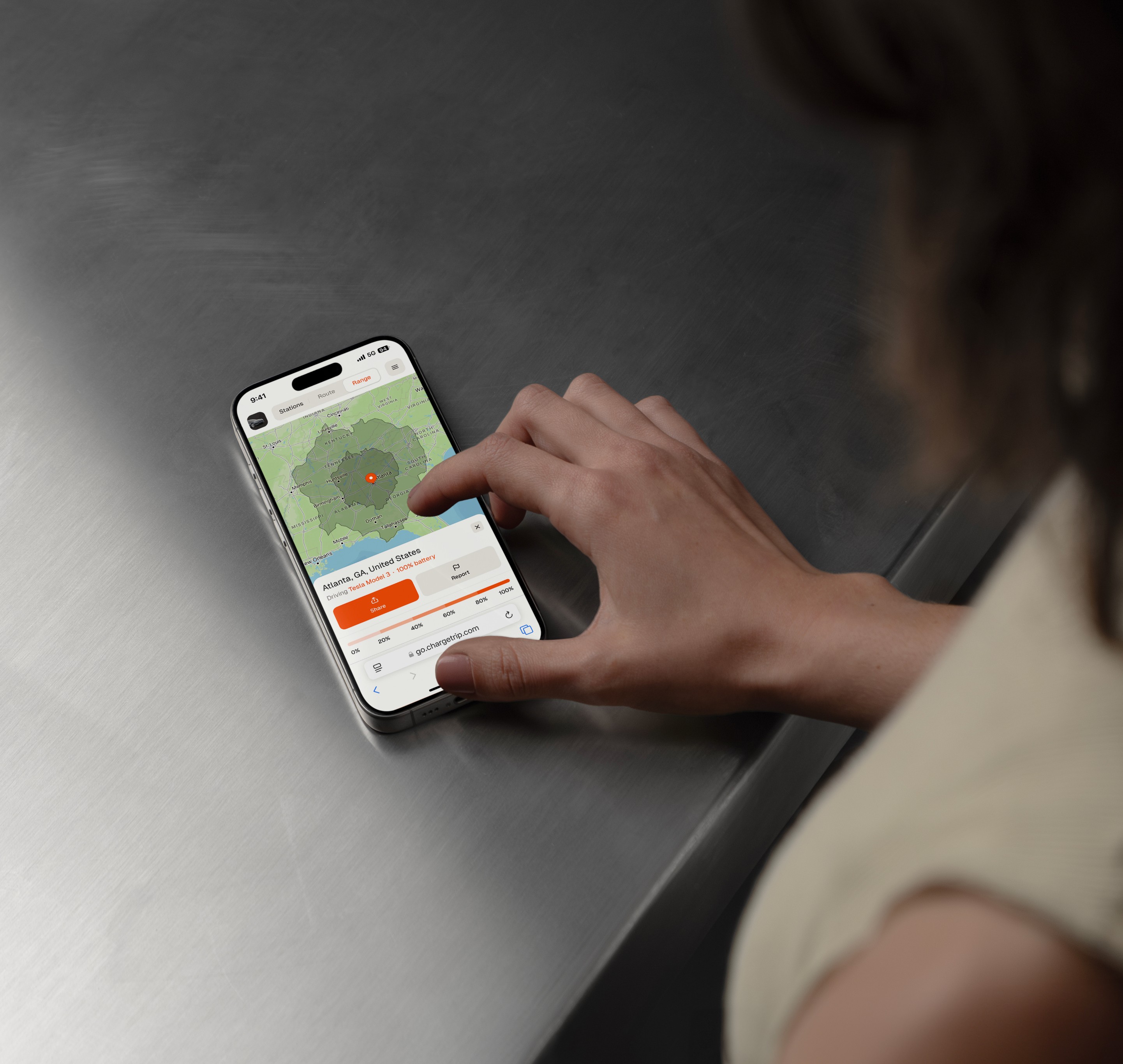
This is the highest-value moment in an EV driver's workflow. The driver is uncertain and seeking resolution. An eMSP app that answers this question - routing the driver's specific vehicle from their current location to their destination, with charging stops drawn from the eMSP's network, is solving a real problem at the moment the driver is most receptive to having it solved.
An eMSP app that only handles payment and station-finding is not present at this moment. The driver opens a navigation app or a manufacturer app to plan the route, discovers where to charge from a generic recommendation, and then maybe opens the eMSP app at the station to pay. The eMSP is present for the transaction but absent from the decision.
Solidstudio's analysis of eMSP ROI notes that "choosing an EMSP with features like a route planner, operators can gain a competitive advantage." This understates it. Routing is not a competitive advantage feature, it is the feature that moves the app from the payment category into the journey planning category. That category change is the actual mechanism behind retention.
What routing integration changes structurally
When an eMSP integrates EV routing into its driver app, three things change that do not change with any other feature addition.
The app becomes part of the daily workflow. A driver who opens the EMSP app to plan a journey before departure uses the app on the days they drive, not just on the days they charge. Daily engagement versus occasional engagement is a fundamentally different relationship with the product.
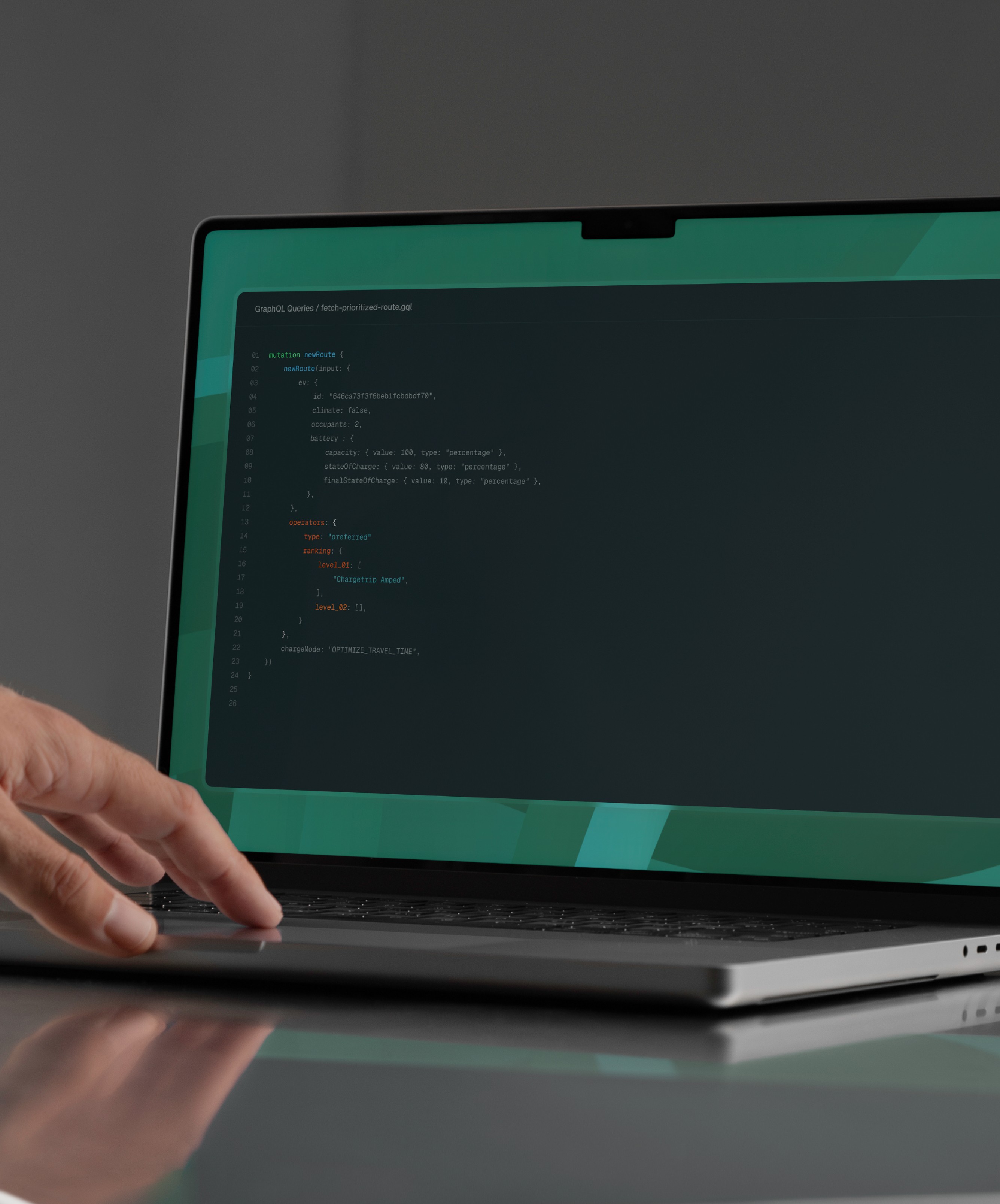
Every route recommendation is a steered charging session. The routing engine selects stops from the EMSP's network. A driver following a route planned by the EMSP app charges at an EMSP-network station. The competitor's station, which would have been recommended by a generic navigation app, is not in the picture. The margin difference between a steered session and a lost session is the commercial case for routing integration, per session, at scale.
Switching cost becomes real. A driver whose journey history, vehicle profile, preferred stations, and charging analytics are all in the EMSP app has something to lose by switching. Not a contractual barrier but rather a practical one. Moving to a competitor means starting over with a system that does not know their vehicle, their routes, or their charging preferences. This is the kind of switching cost that sustains retention when a competitor offers a slightly lower tariff.