Newsroom

Why the digital battery passport should be on every OEM's radar

Newsroom

Why the digital battery passport should be on every OEM's radar

Newsroom

Why the digital battery passport should be on every OEM's radar

From February 18, 2027, every new EV battery over 2 kWh needs a digital passport. State of health, origin, material composition, CO2 footprint, all readable via a QR code. The rule comes from the EU Battery Regulation, in force since 2023, and it covers cars, e-bikes, e-scooters and industrial batteries alike.

A few months earlier, in November 2026, Euro 7 forces newly type-approved models to show battery state of health directly in the vehicle, readable through the OBD interface too. Full rollout to all new registrations follows in November 2027.

Two rules, one target. The battery, the single most expensive part of the car, stops being a black box.

Read that next to last month's WLTP ruling. A German court said a real-world range gap of more than 10% counts as a legal defect, full refund territory. Range promises only mean something if the battery behind them is honest. Two EVs, same age, same mileage, can sit at very different states of health, and until now nobody buying, selling or leasing one had an official way to tell the difference.

That changes fast. If you're an OEM or a leasing company, this is not a second, unrelated compliance item to file away. It's the same problem the WLTP ruling exposed: numbers on a spec sheet that don't survive contact with reality.

What the passport actually documents

The passport covers three things. Condition, as state of health and original nominal capacity. Origin, the materials the battery is built from and the CO2 footprint of producing it. And end of life, what can be recovered and how.

For your customers, the first one is what matters. It's the number that used to be a guess and is about to become a verified fact, attached to the car for its whole life.

One number is not the whole story

A single SoH percentage still won't tell you everything. Two batteries sitting at the same 92% can behave very differently depending on how they've actually been treated: fast-charging frequency, climate, years in service. Same model, same year, same charge, different car.

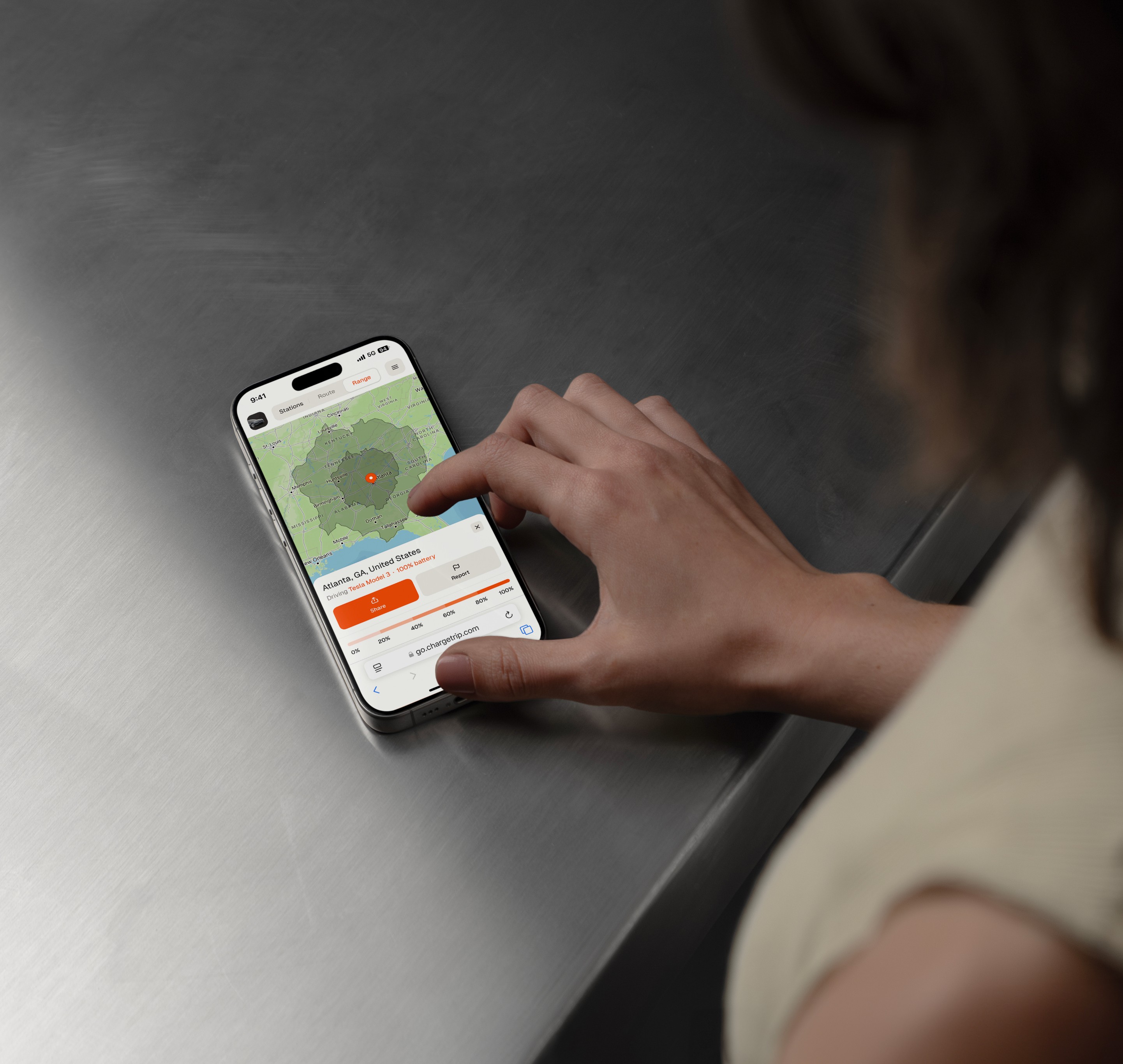
By default, Range Spider factors in a vehicle's model year, not its actual battery condition, because that data hasn't been available to plug in. But drivers can already set a custom range based on their own battery's real condition if they have it, rather than relying on a fixed figure stamped at the factory. As battery passport and SoH data become standardized and mandatory, that input just gets more accurate and easier to plug in for everyone. Not less relevant.

The regulation is coming either way. Build for real battery condition now, and you won't be the one caught out the next time a court rules on one.

Explore the Range Spider.

Get started with Chargetrip

Create account

Contact sales

References

Get started with Chargetrip

Chargetrip is a mission-driven technology company helping the world transition to electric mobility.

Subscribe for monthly perspectives from Chargetrip leadership.

© Chargetrip B.V

Chargetrip is a mission-driven technology company helping the world transition to electric mobility.

Subscribe for monthly perspectives from Chargetrip leadership.

© Chargetrip B.V

Chargetrip is a mission-driven technology company helping the world transition to electric mobility.

Subscribe for monthly perspectives from Chargetrip leadership.

© Chargetrip B.V