EV charger idle time is the gap between what a station earns and what it should earn. The standard response is to improve map visibility, adjust pricing, add promotions. This addresses the symptom. The root cause analysis starts one layer deeper.
Cause 1: Wrong location
Some idle time is the consequence of site selection that did not account for where EV routes structurally need charging.
The diagnostic: run a routing simulation against representative EV routes in the station's vicinity. If the simulation consistently routes vehicles past without recommending the station — because vehicles have sufficient range to proceed — the station has a structural demand problem. Marketing and data quality investment on a station with no routing demand is wasted capital.
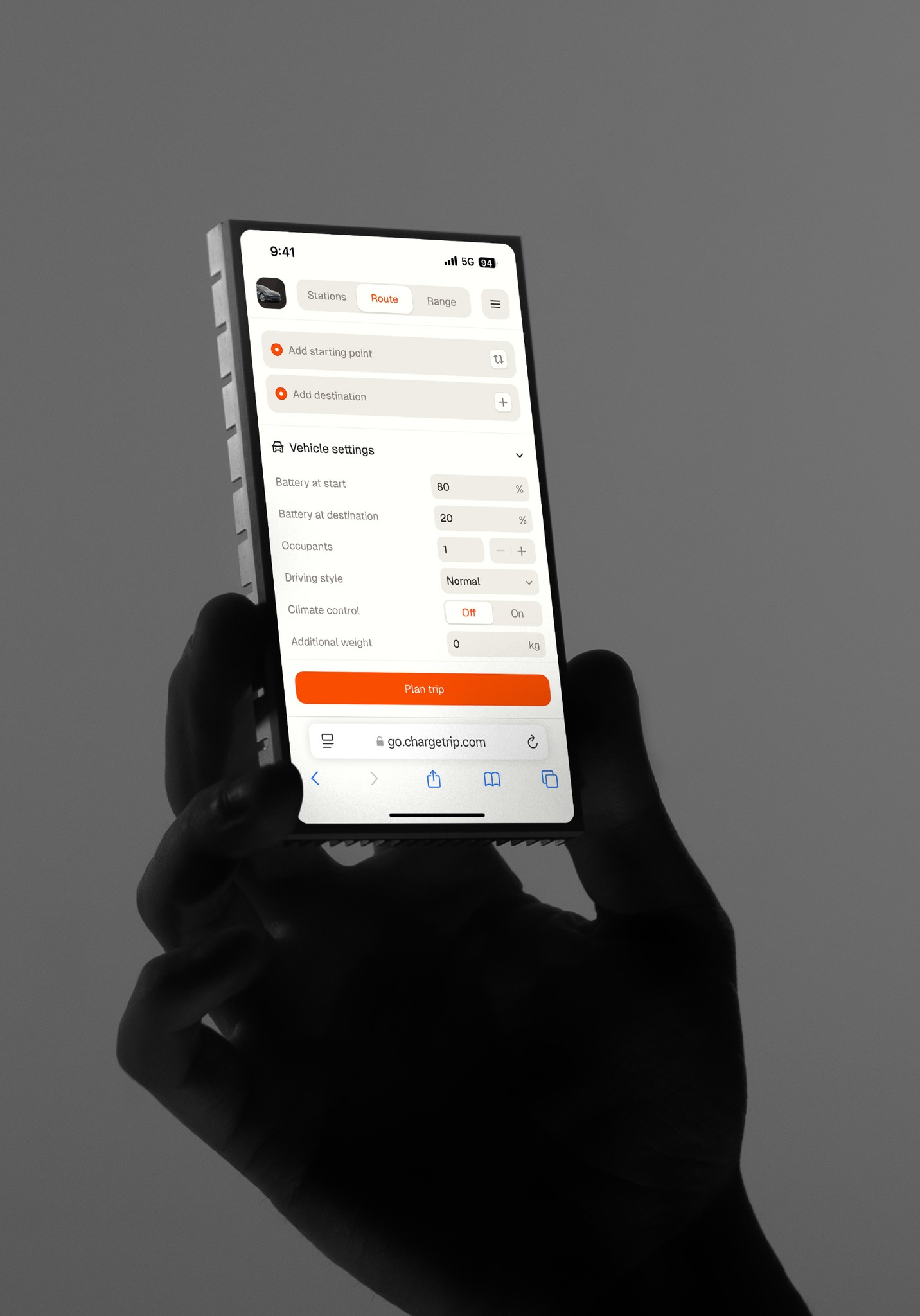
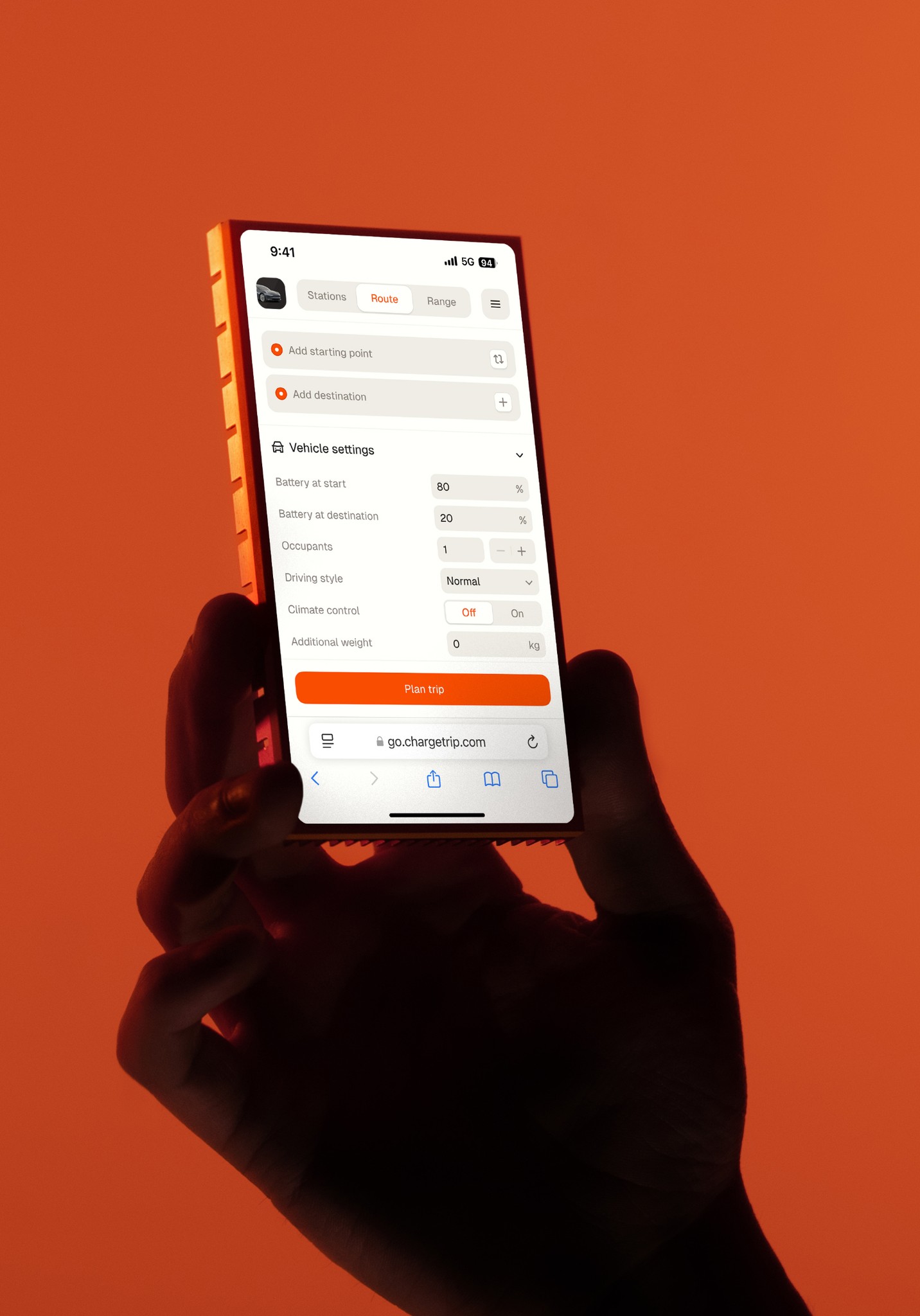
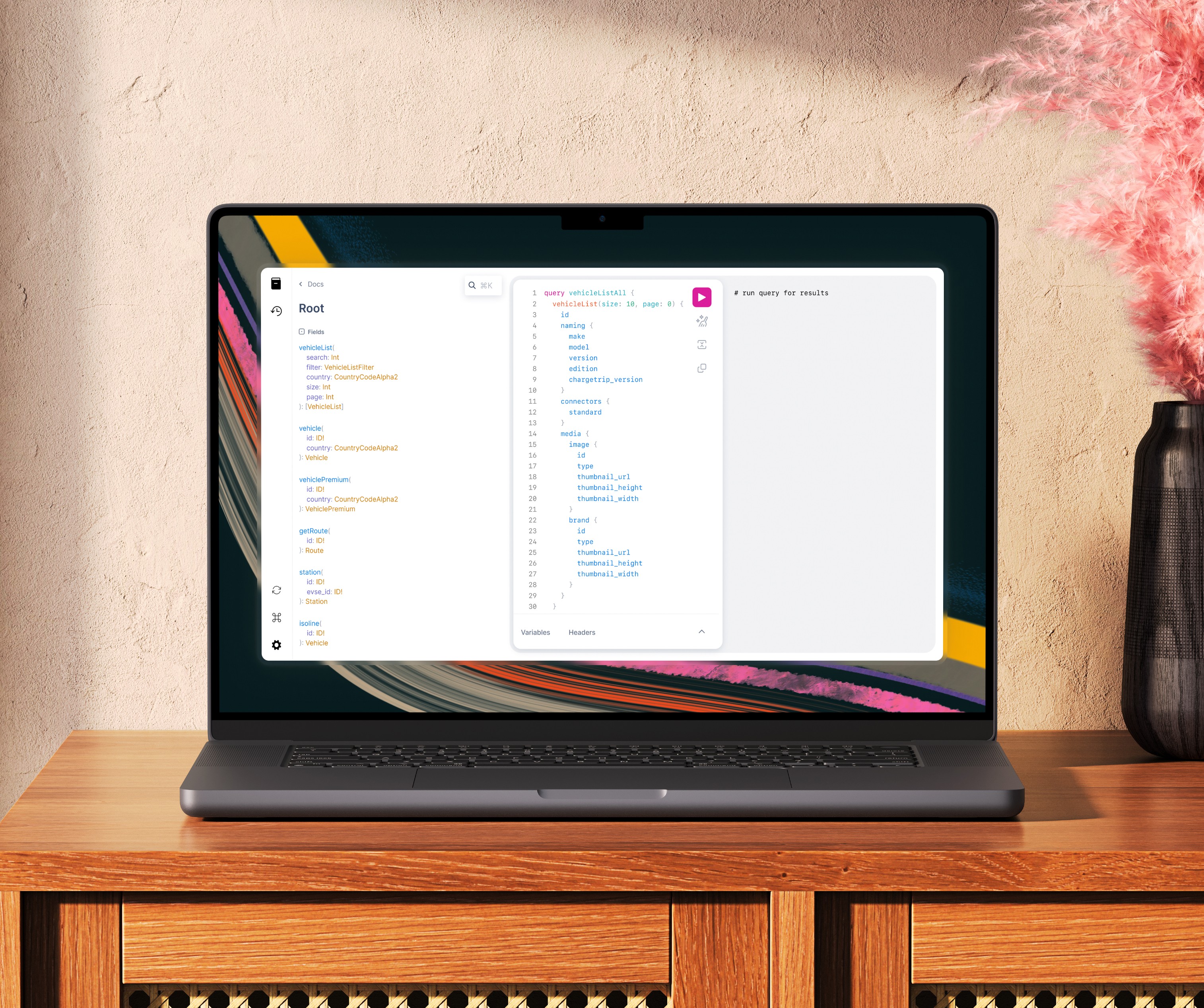
Chargetrip's route simulation tools can model this, showing CPOs where routing demand exists across a geography and where new infrastructure would receive immediate structural demand from day one.
Cause 2: Routing invisibility
A station in a good location can still have low utilisation if routing engines are not recommending it.
Common failures: a station listed as 150 kW delivering 60 kW appears in time-sensitive recommendations, fails to deliver, and the routing engine registers a quality failure. Future recommendations are deprioritised. A station with a membership requirement listed as open access sends drivers who cannot charge. A repaired station not cleared of its fault record is excluded based on a resolved issue.
Chargetrip's station database is updated continuously. CPOs whose data is accurately maintained receive the routing recommendations their location warrants. Iberdrola keeps 10,000 stations across Spain accurately represented in Chargetrip's system, ensuring every compatible vehicle passing nearby gets routed to their network.
Cause 3: Reliability score degradation
Routing engines that track outcome quality build reliability scores per station. A station that faults or underdelivers on 15% of occasions is weighted below one with a 5% failure rate, independently of whether it is currently operational.
Improving a station's fault rate from 15% to 5% on a high-routing-demand corridor is a demand generation investment. The additional sessions from a higher reliability score represent revenue a standard maintenance calculation does not capture.
The implication: identify stations where routing demand shows high expected recommendation frequency but actual sessions fall short. The reliability improvement achievable through maintenance investment has a specific session uplift value, the routing-aware ROI that justifies the spend.
Explore how Chargetrip works for charge point operators.