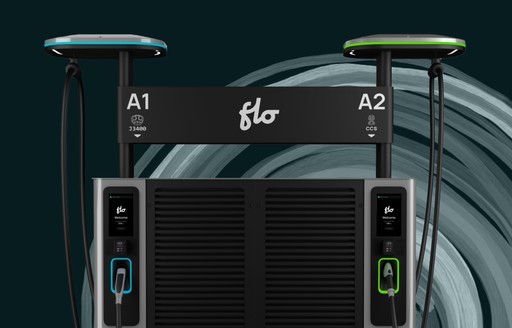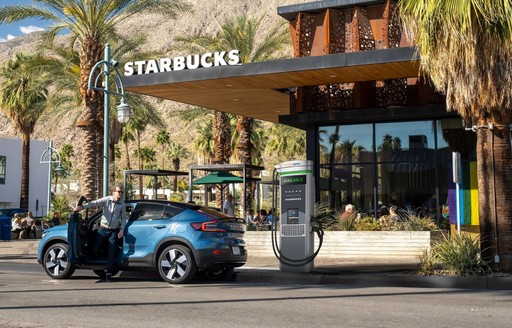
Retailers who have installed EV charging — fuel station chains like OMV, Shell, and BP, supermarkets, shopping centres, motorway service areas — have made a capital investment in infrastructure. The question is whether that infrastructure generates the footfall it was built to create.
EV drivers spend 20 to 40 minutes at a charging stop. That dwell time is a retail opportunity unlike anything petrol created: a customer who needs to be somewhere for 25 minutes is far more likely to buy food, coffee, or other items than one who fills up and leaves in four. The charging session is the acquisition mechanism. The store visit is the revenue.
But the charging session only happens if the driver stops at your location. And EV drivers increasingly do not choose where to charge based on habit, brand recognition, or what they see from the road. They follow a routing recommendation made before they left home. If your charging location does not appear in that recommendation, the driver goes to a competitor, not because they prefer it, but because the routing app told them to go there.