Newsroom

EV range anxiety is an information problem. Here is the structural fix.

Newsroom

EV range anxiety is an information problem. Here is the structural fix.

Newsroom

EV range anxiety is an information problem. Here is the structural fix.

Every article about EV range anxiety solutions lists the same remedies: bigger batteries, more charging stations, better driving habits, range-extending apps, and reassurance from dealers that "it's easier than you think."

These reduce the frequency of range anxiety. They do not eliminate it, because they do not address its cause.

Range anxiety is caused by uncertainty. A driver does not know whether their specific vehicle, on their specific journey, with their current charge level, in today's conditions, will reach the destination or the next charger. Until that uncertainty is resolved, the anxiety is rational. Managing it through education or exposure therapy is treating the symptom. Resolving the uncertainty is the structural fix.

Why the standard solutions fall short

Bigger batteries mean the uncertainty arises less often. A driver with 500 km of rated range encounters fewer journeys where the outcome is in doubt. But the uncertainty still exists for long trips, in cold weather, or with a degraded battery — and the driver has no reliable way to know exactly when they are approaching the edge of what the vehicle can do.

More charging stations make the consequences of uncertainty less severe. If you do run low, the next charger is closer. But the anxiety during the journey — will I make it to the charger before the battery gives out — is not resolved by the charger's existence. It is resolved by knowing, before the journey starts, whether you will reach it.

Dashboard range displays are estimates based on recent driving history. They do not know the gradient of the road ahead, the temperature forecast for the afternoon, or the fact that the vehicle is carrying 400 kg more than its recent average trip. For a driver planning a journey at the edge of their range, the dashboard number is an approximation of uncertain accuracy.

Driver training and familiarity help experienced EV users who have accumulated intuition about their specific vehicle in their typical conditions. They do not help new EV drivers, drivers on unfamiliar routes, rental customers, or fleet drivers assigned an EV model they have not driven before.

What uncertainty elimination actually requires

The uncertainty that causes range anxiety has a specific structure: the driver does not know the answer to a question. "Will this vehicle, with this charge, reach my destination today, and if not, exactly where do I charge and for how long?"

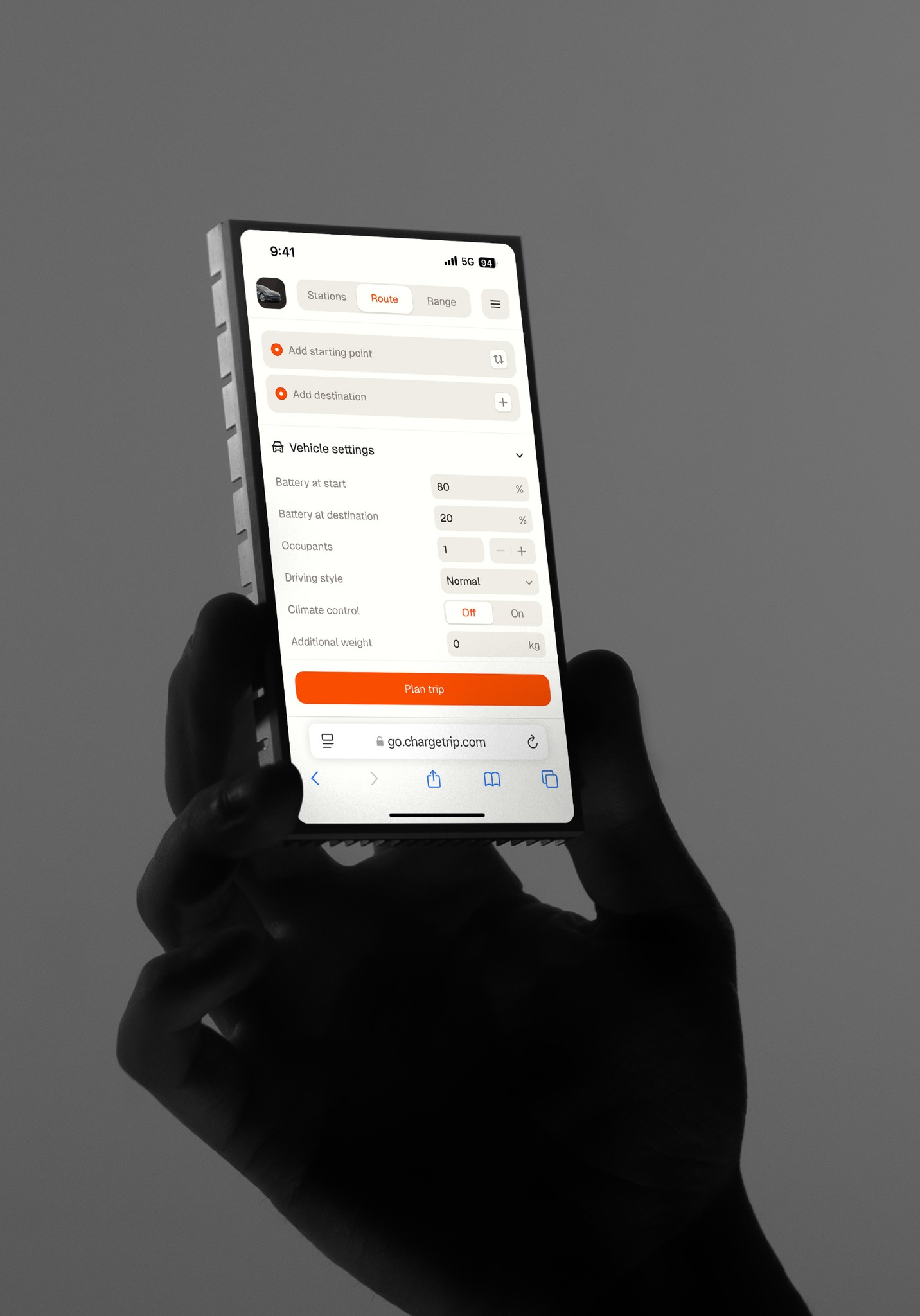
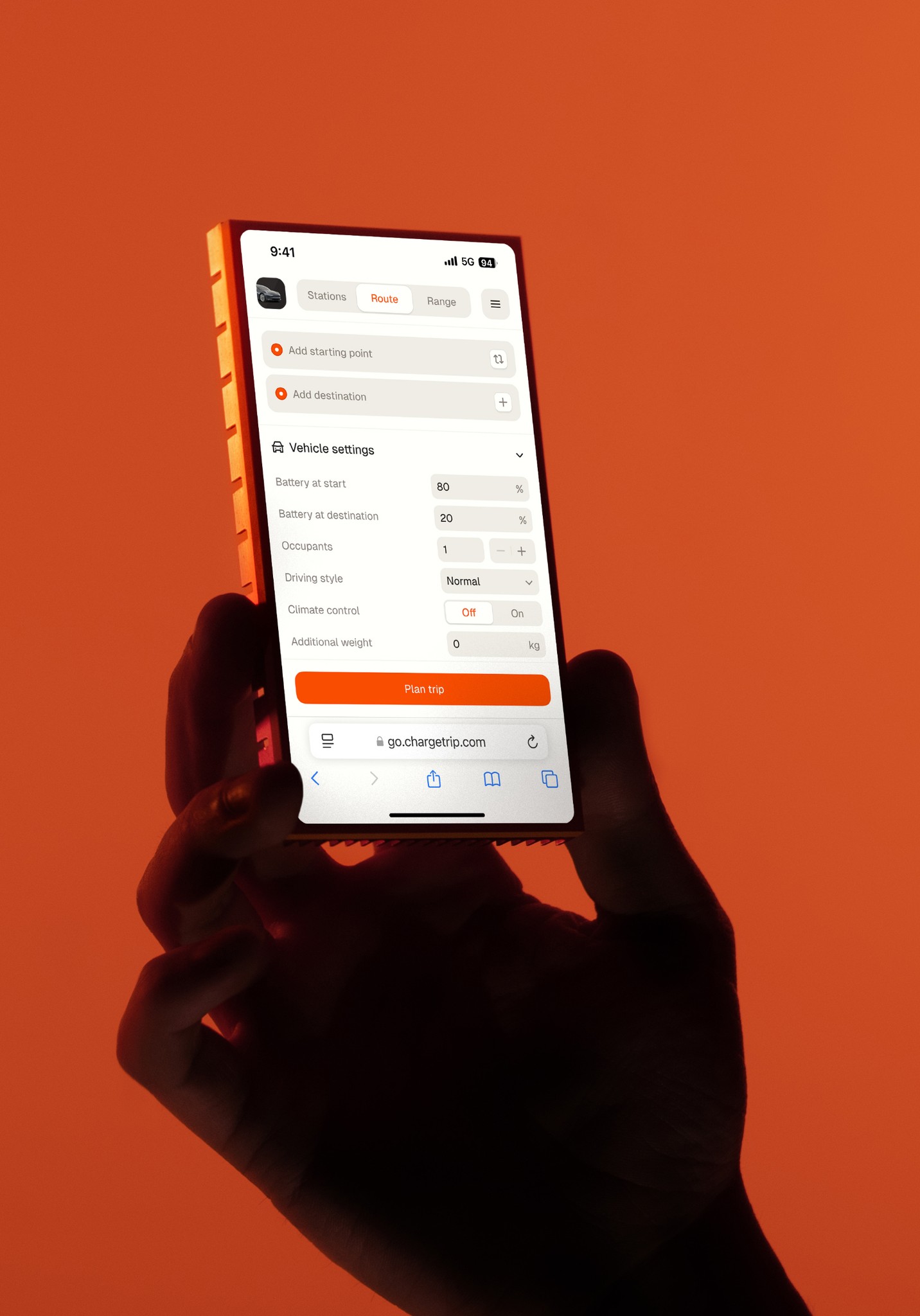
Resolving this requires a calculation, not an estimate. The calculation needs four inputs: the vehicle's real-world consumption model (not WLTP), the route's specific characteristics (elevation, road type, distance), today's conditions (temperature, weather), and the vehicle's current state of charge.

Given those inputs, the answer is binary and specific: the journey is feasible, or it is not, and if not, here is the charging stop at kilometre 147 at this station for 23 minutes to this SoC target. The driver departs with a plan, not a concern. The anxiety does not need to be managed because the uncertainty has been eliminated.

This is the structural fix. Everything else is frequency reduction.

The Range Spider: making the answer visual


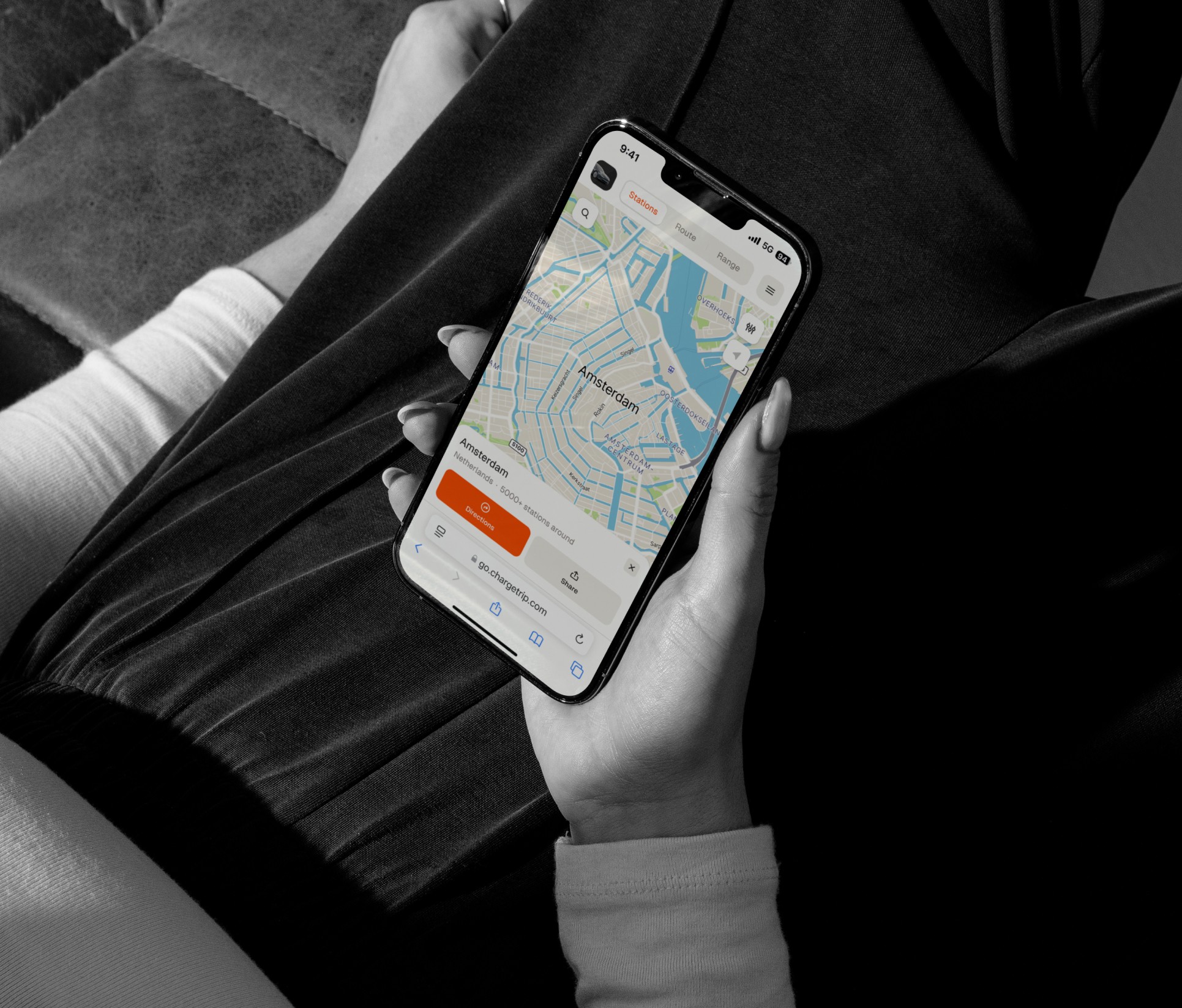
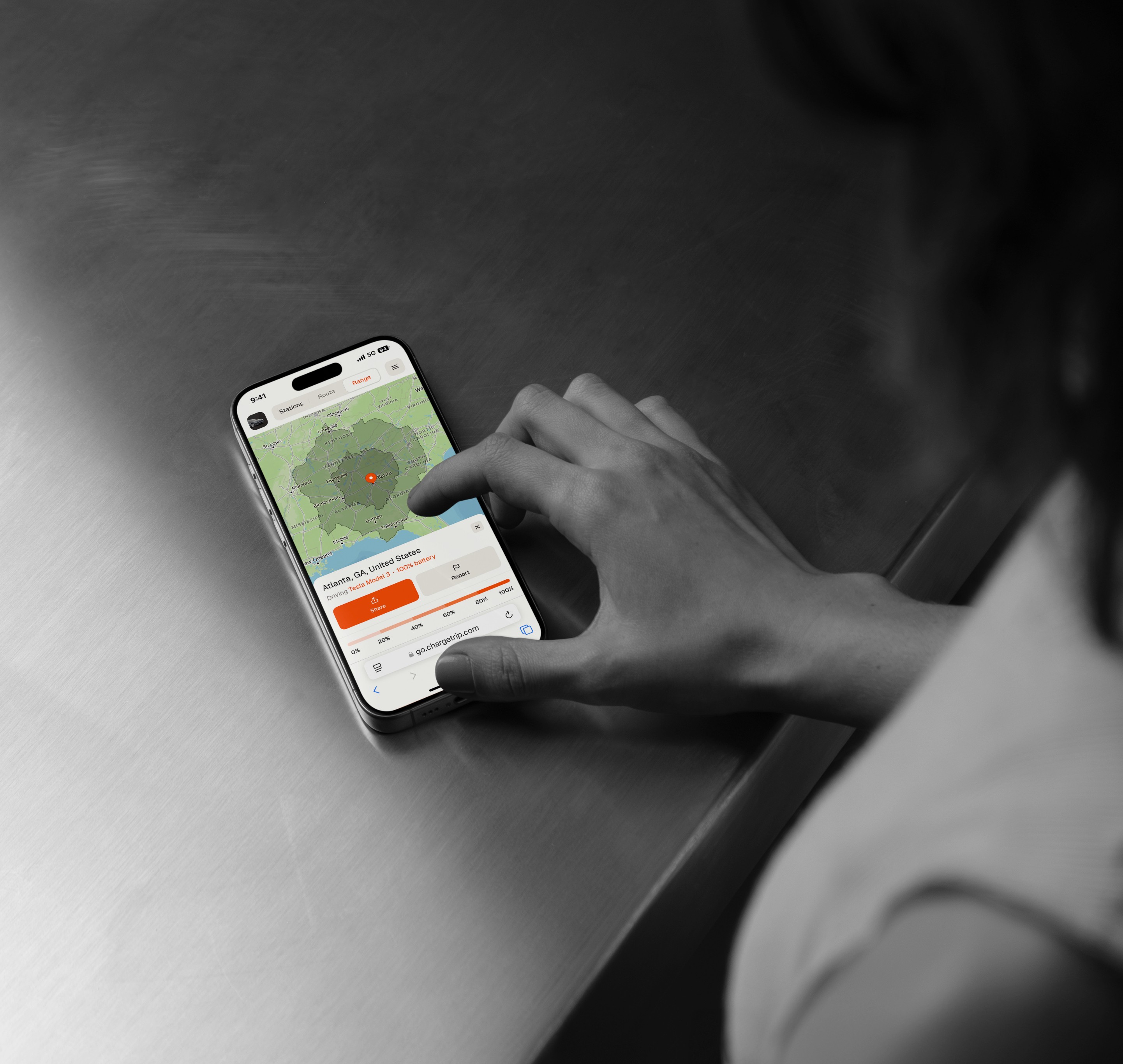
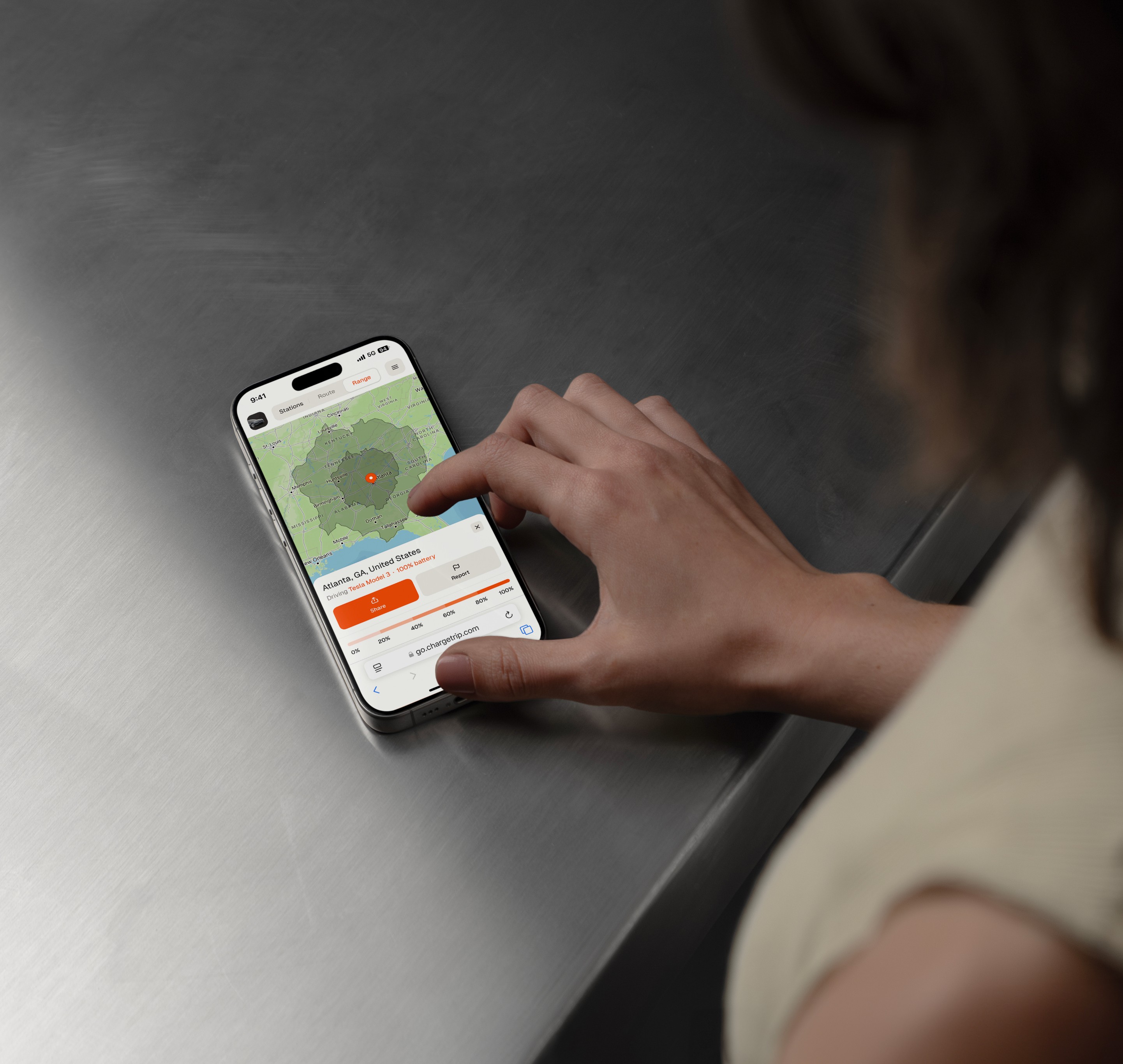
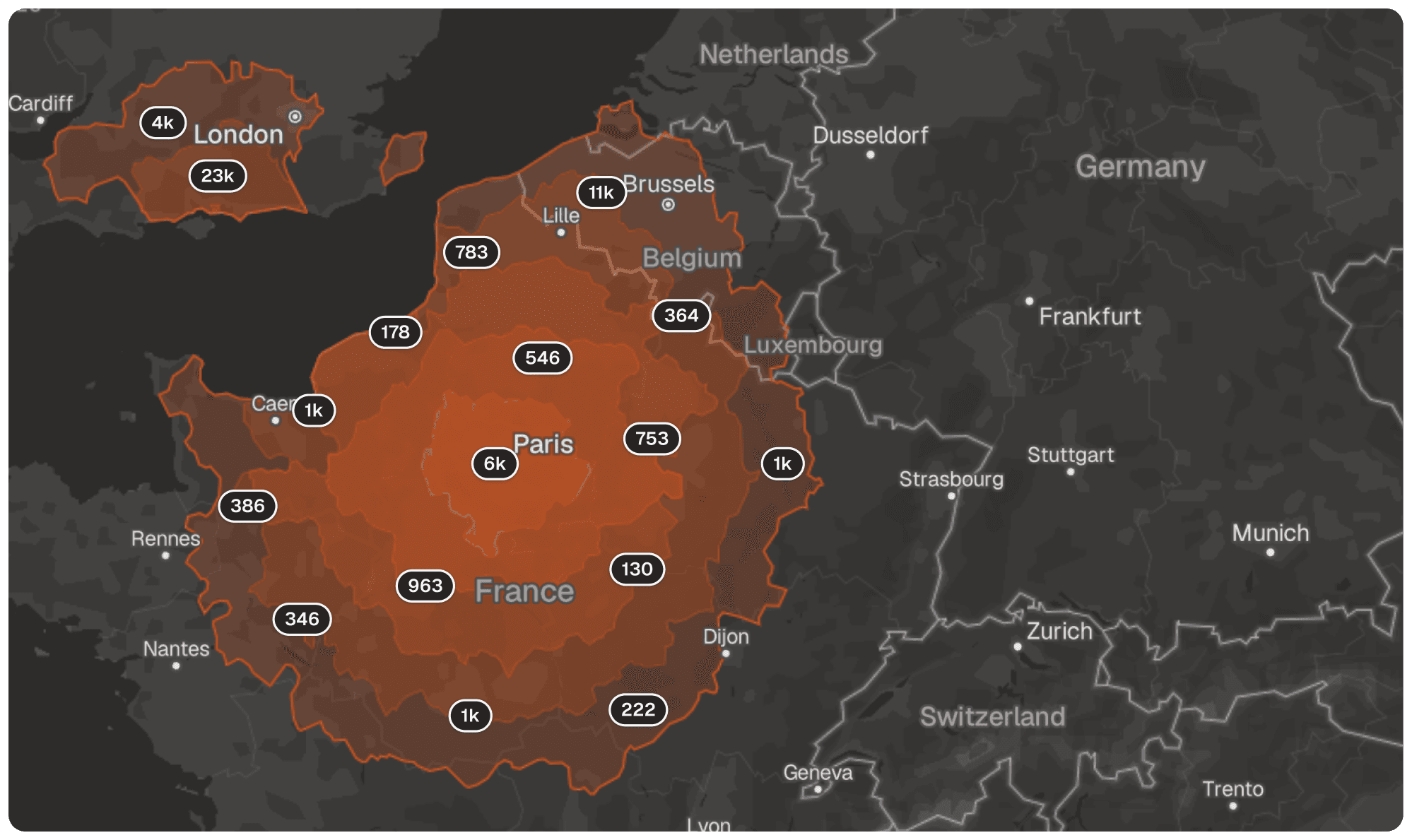
For products serving EV drivers at the decision moment - leasing apps, rental handover tools, OEM companion apps, EMSP driver interfaces - Chargetrip's very own Range Spider provides this answer spatially.

It shows, on a map, the area the vehicle can realistically reach from its current location given its current charge and today's conditions. Not a WLTP circle. The actual reachable area, calculated from the vehicle's validated consumption model applied to the road network in all directions.

The shape is not a circle. It is irregular, because the road network is irregular and energy consumption varies with direction. A motorway heading north may extend range further than a hilly B-road heading east, even if the straight-line distance is the same. A Range Spider shows this honestly.

The seasonal difference is significant. The same vehicle from the same location shows a materially smaller reachable area on a January morning at 2 degrees than on an October afternoon at 15 degrees. A tool that shows drivers this difference — rather than displaying a fixed WLTP circle regardless of conditions — builds accurate expectations. A driver who understands why their January range is lower than their October range does not experience the January trip as a malfunction. They experience it as expected behaviour they were warned about.


The fleet case: Replacing anxiety with plan execution

In fleet operations, range anxiety takes a specific form. It is not diffuse worry about EVs in general. It is a driver departing each morning without confirmation that today's routes will complete. When routes have failed before, the anxiety is backed by experience.

The fleet-level solution is a dispatch system that confirms route feasibility before the driver departs. Not a battery percentage on a dashboard, a route calculation specific to this vehicle, this departure SoC, today's temperature, and today's route, with charging stops identified and timed.

When a driver receives a dispatch instruction that includes "charging stop at [station] at approximately 10:40am for 21 minutes, departing at 80% SoC", they are executing a plan. The anxiety does not need to be managed because the uncertainty has been replaced by confirmed information. This is the operational form of the same structural fix that applies to consumer drivers and rental customers.

For how rental companies specifically use routing and range visualisation to eliminate range complaints at handover, see how rental companies eliminate EV range complaints at handover. For the mechanics of how a range map is generated from real consumption data rather than WLTP, see what is an EV range map - and how does it show real-world range, not WLTP.

Get started with Chargetrip

Chargetrip is a mission-driven technology company helping the world transition to electric mobility.

Subscribe for monthly perspectives from Chargetrip leadership.

© Chargetrip B.V

Chargetrip is a mission-driven technology company helping the world transition to electric mobility.

Subscribe for monthly perspectives from Chargetrip leadership.

© Chargetrip B.V

Chargetrip is a mission-driven technology company helping the world transition to electric mobility.

Subscribe for monthly perspectives from Chargetrip leadership.

© Chargetrip B.V