A regional court in Germany ruled last month that an EV can be returned if its real-world range falls more than 10% below the WLTP figure stated at point of sale. The buyer receives a full refund.
The case involved a vehicle with a stated WLTP range of 332 to 341 km. An independent expert found the actual range to be 281 km, 18% below the figure on the spec sheet, compounded by battery degradation more advanced than expected. The court ruled this constitutes a significant defect under German consumer law. First ruling of its kind. It will not be the last.
WLTP was never a real-world number. The test cycle measures range under controlled, ideal conditions. It does not account for cold weather, urban driving, battery degradation, payload, or elevation. The gap between what appears on a spec sheet and what a driver sees on their dashboard is not unusual. It is structurally built into how the test works.
For years the industry has communicated WLTP figures as if they were reliable promises. Most buyers take them at face value. The Wuppertal ruling is the moment that gap became a legal liability.
For OEMs, range is one of the primary purchase criteria you compete on. If the figure you quote on your website, in your configurator, or in your app consistently overestimates what drivers experience on the road, you are carrying both a reputational and a legal risk. And the problem with communicating range as a single number is that a single number cannot capture what actually determines how far an EV will travel. Real-world range depends on where you are driving, what the weather is doing, what the roads look like, how charged the battery is, and how the vehicle behaves across all of those variables at once.
Quoting 320 km tells a buyer very little about whether they can make a specific journey on a specific day. It gives them a number to hold you to, not a tool to make a decision with.
The more accurate and more useful thing to show is not a number. It is a shape.
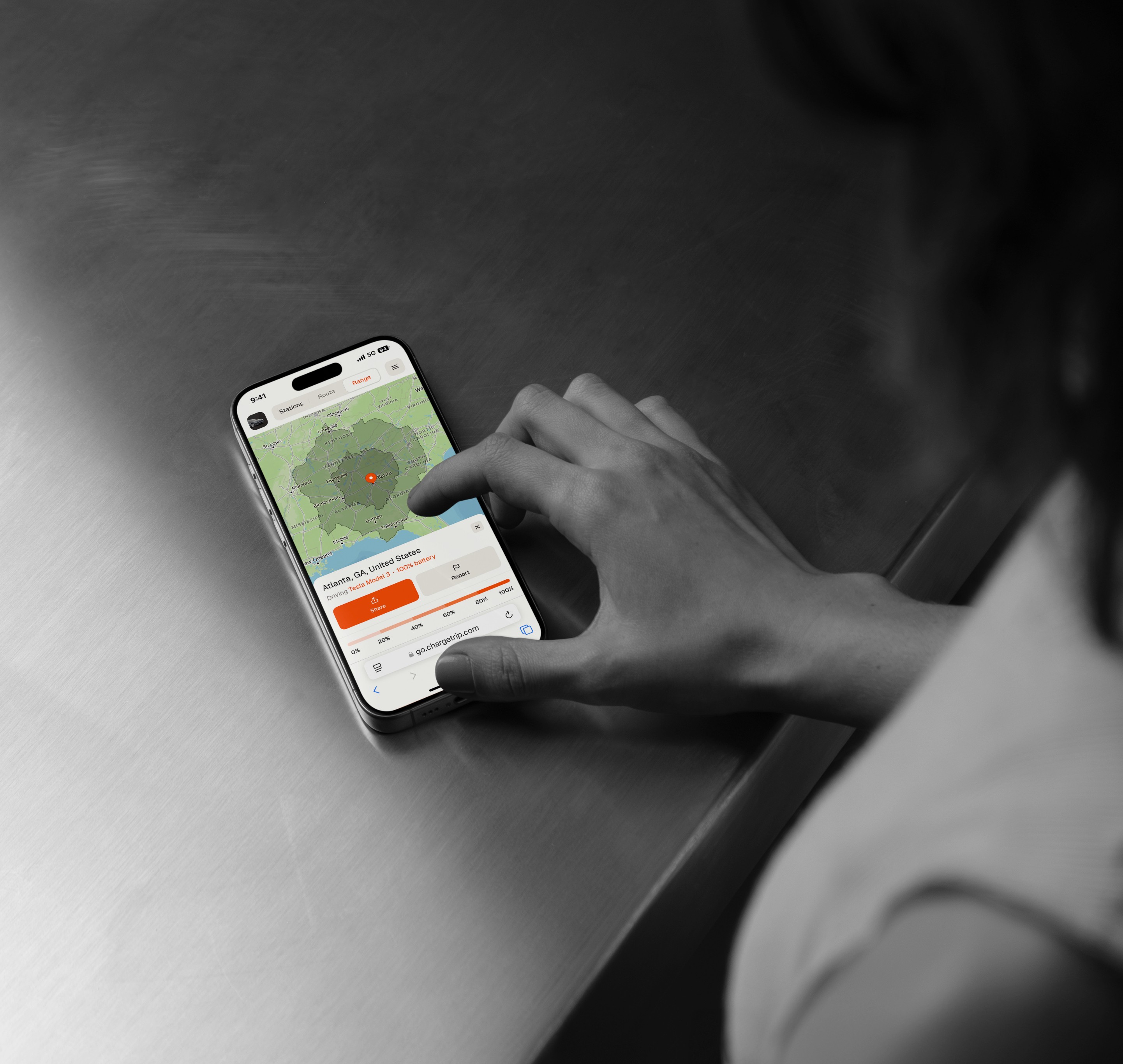
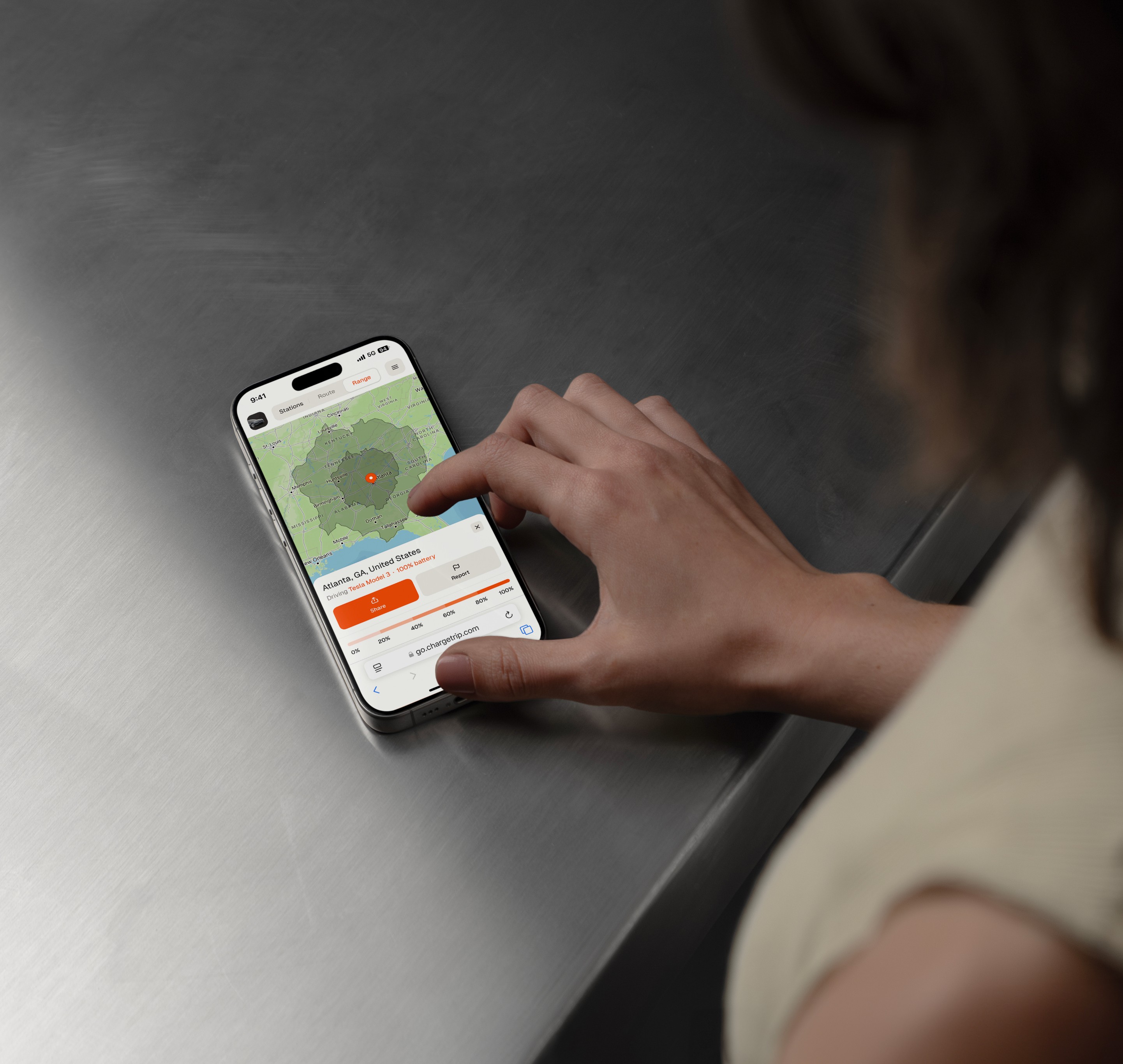
Chargetrip's Range Spider visualizes the actual reachable area from any point on a map, for a specific vehicle, in current or forecasted real-world conditions. Instead of a single WLTP figure, the buyer sees exactly where they can go from where they are, accounting for elevation, road surface, weather, speed, and Chargetrip's proprietary consumption models covering 2,300 plus vehicle models.
A buyer using a Range Spider in your configurator can test whether a specific vehicle works for their specific life, their commute, their regular routes, their weekend trip. That is a fundamentally more honest way to communicate range. As of this ruling, it is also the legally safer one.
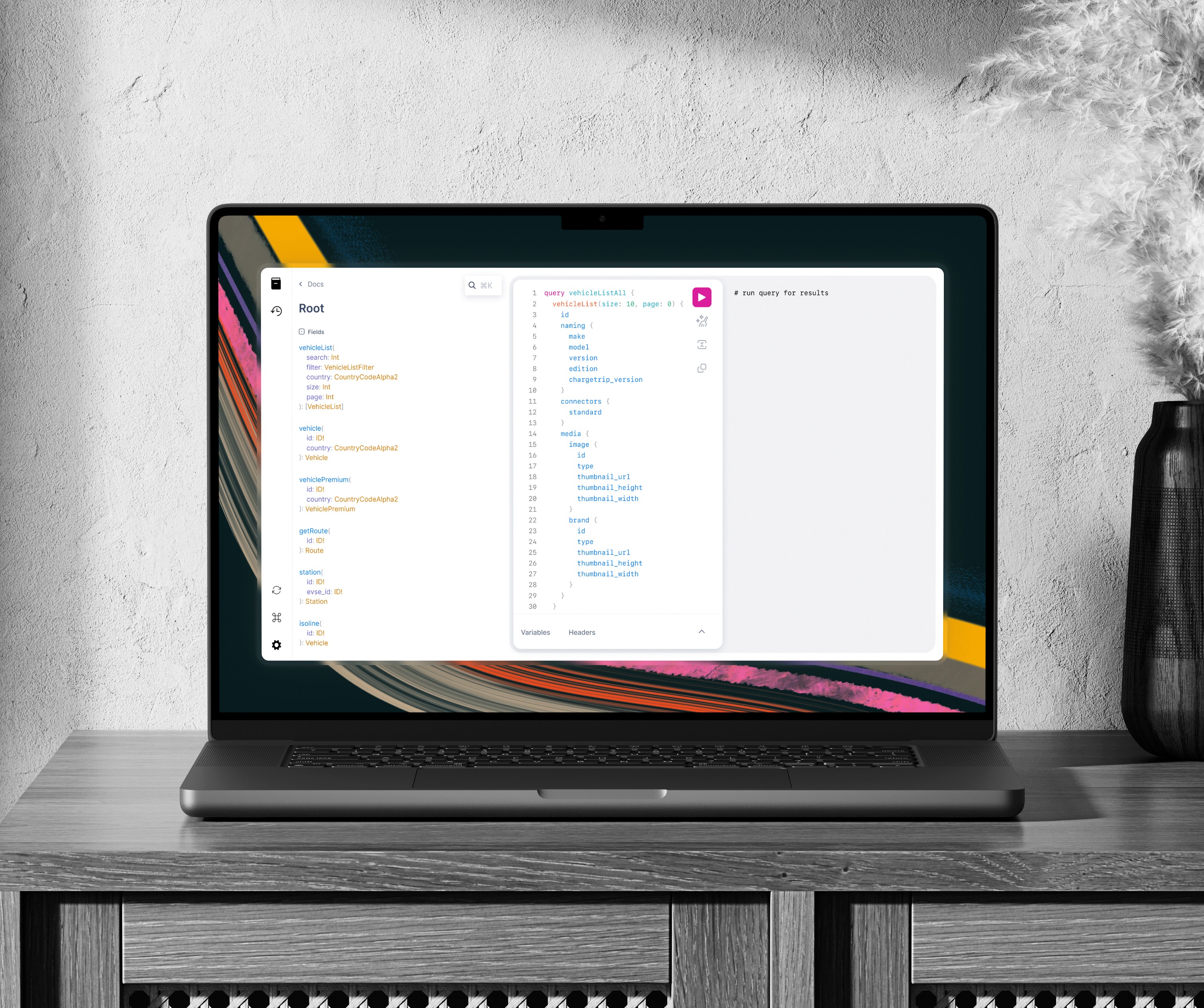
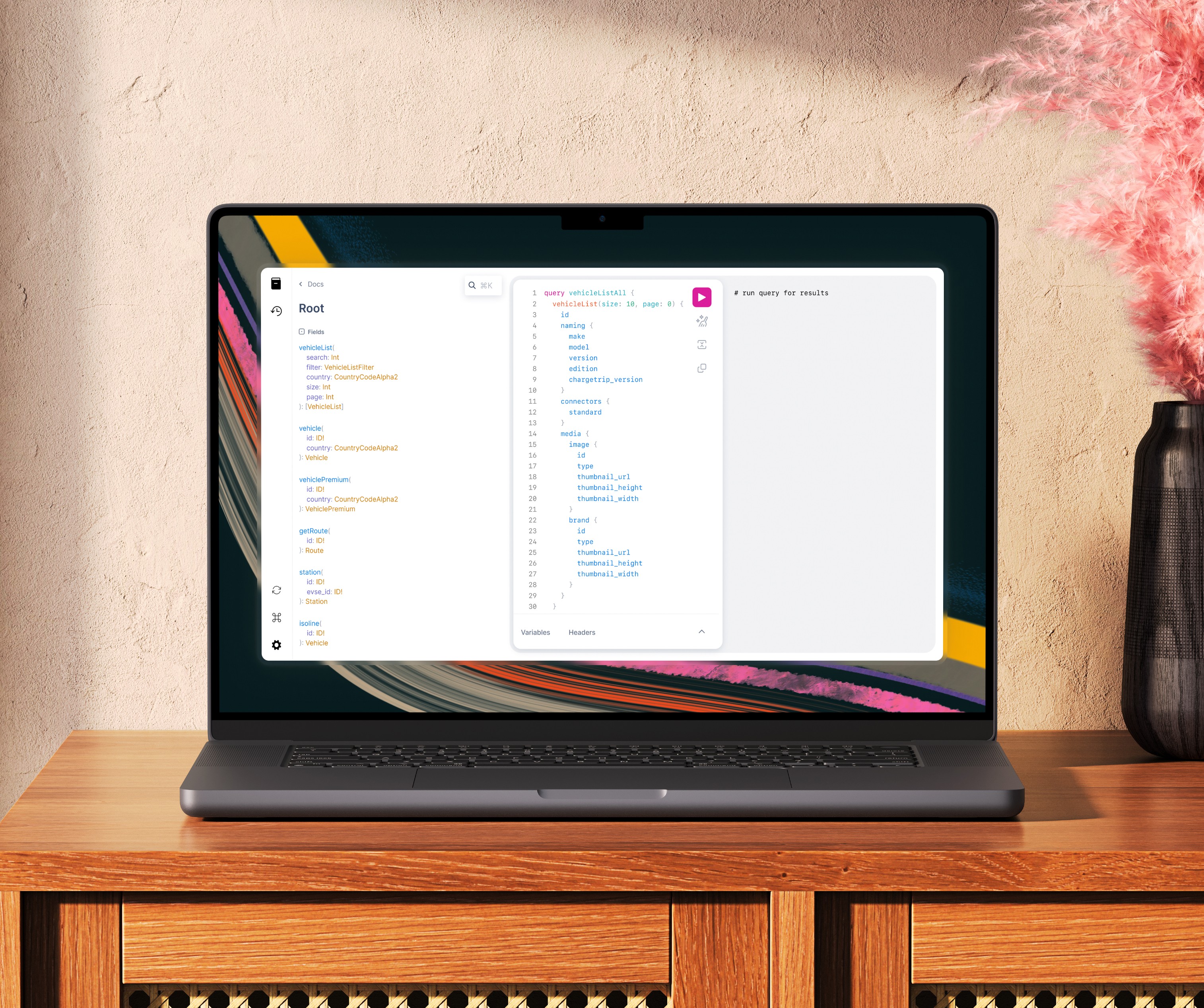
Chargetrip offers a Range Spider via API for teams who want full control over the integration, and a No-Code Range Spider that can be live on your website in under three weeks, no development project required.