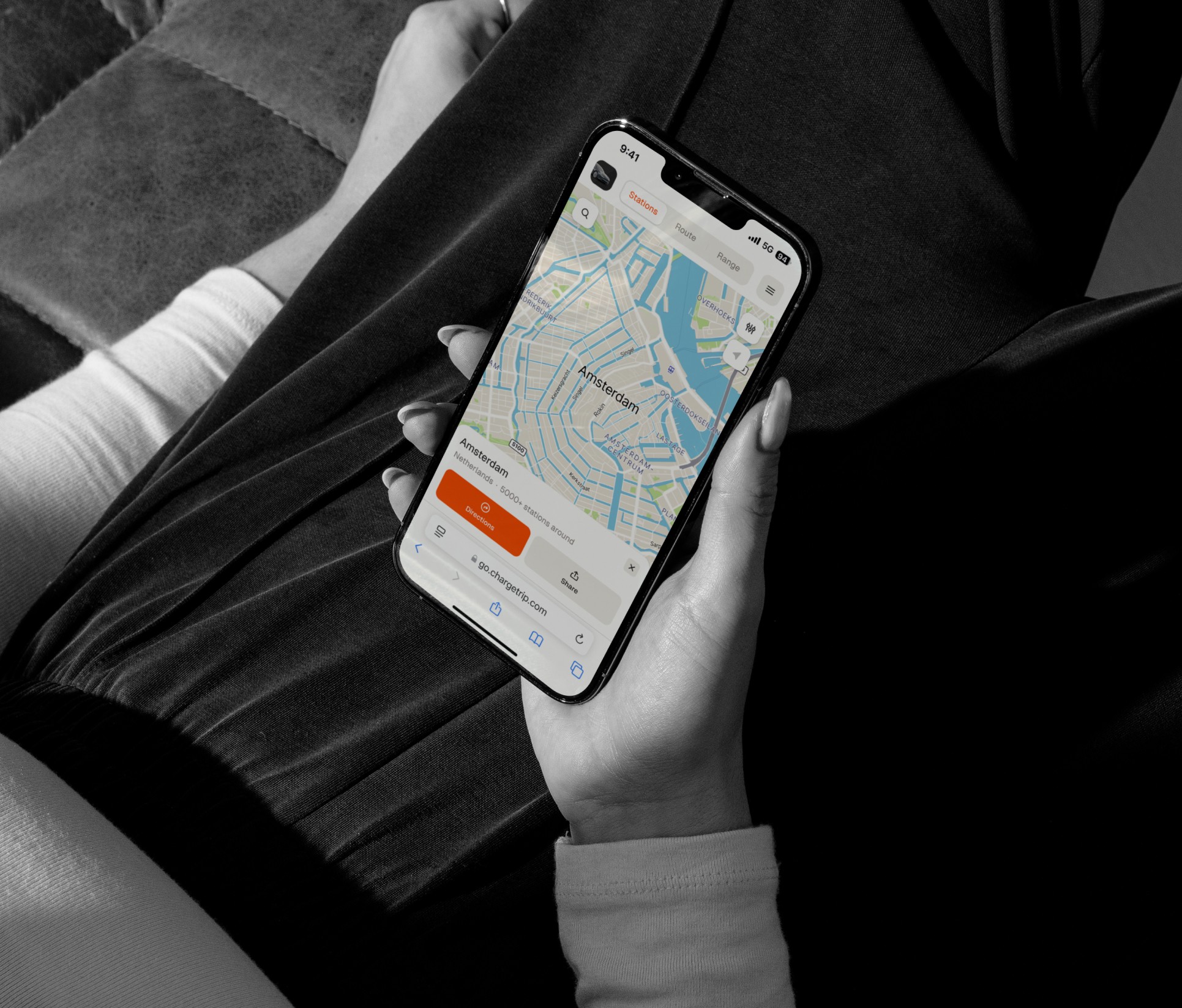
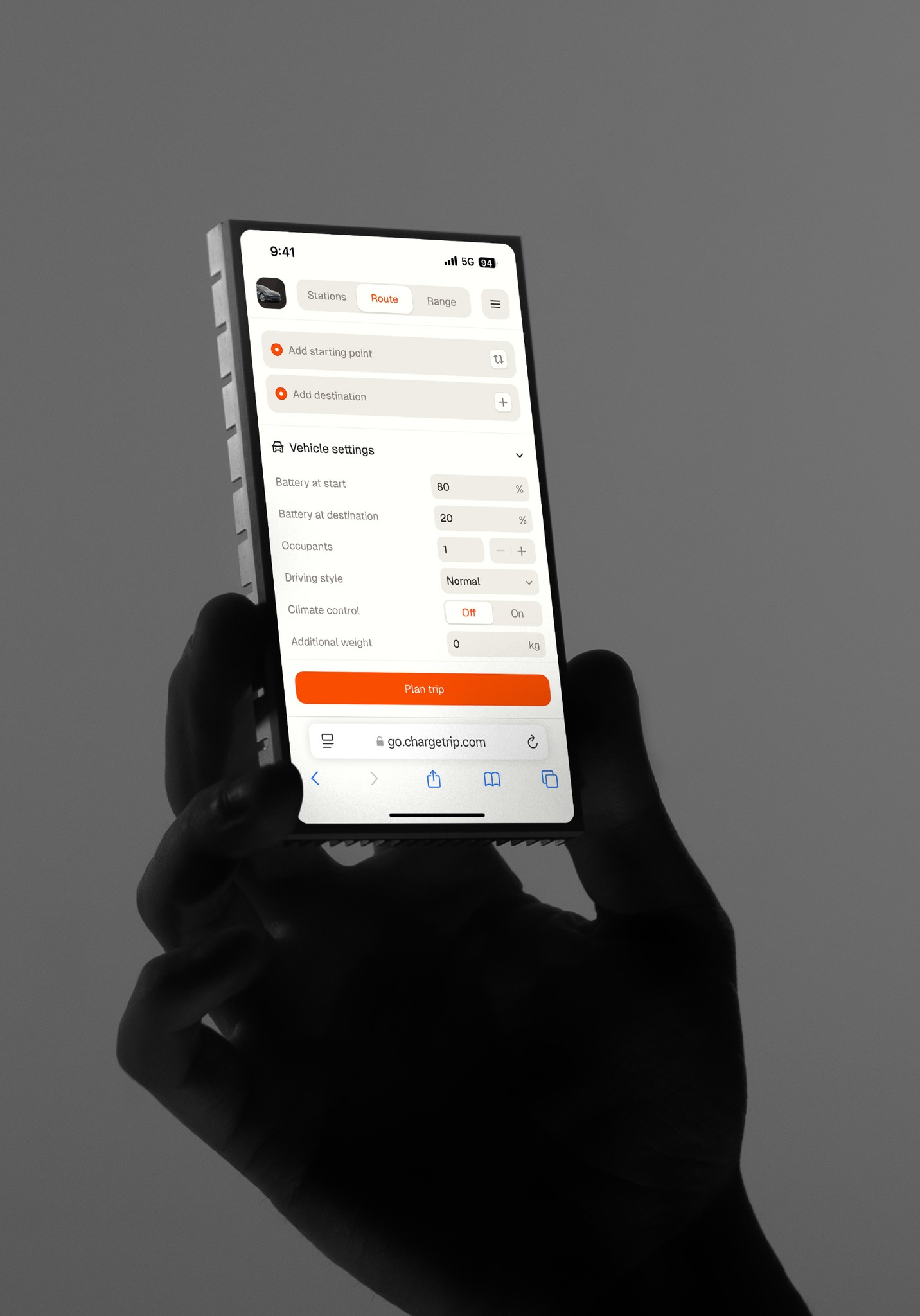
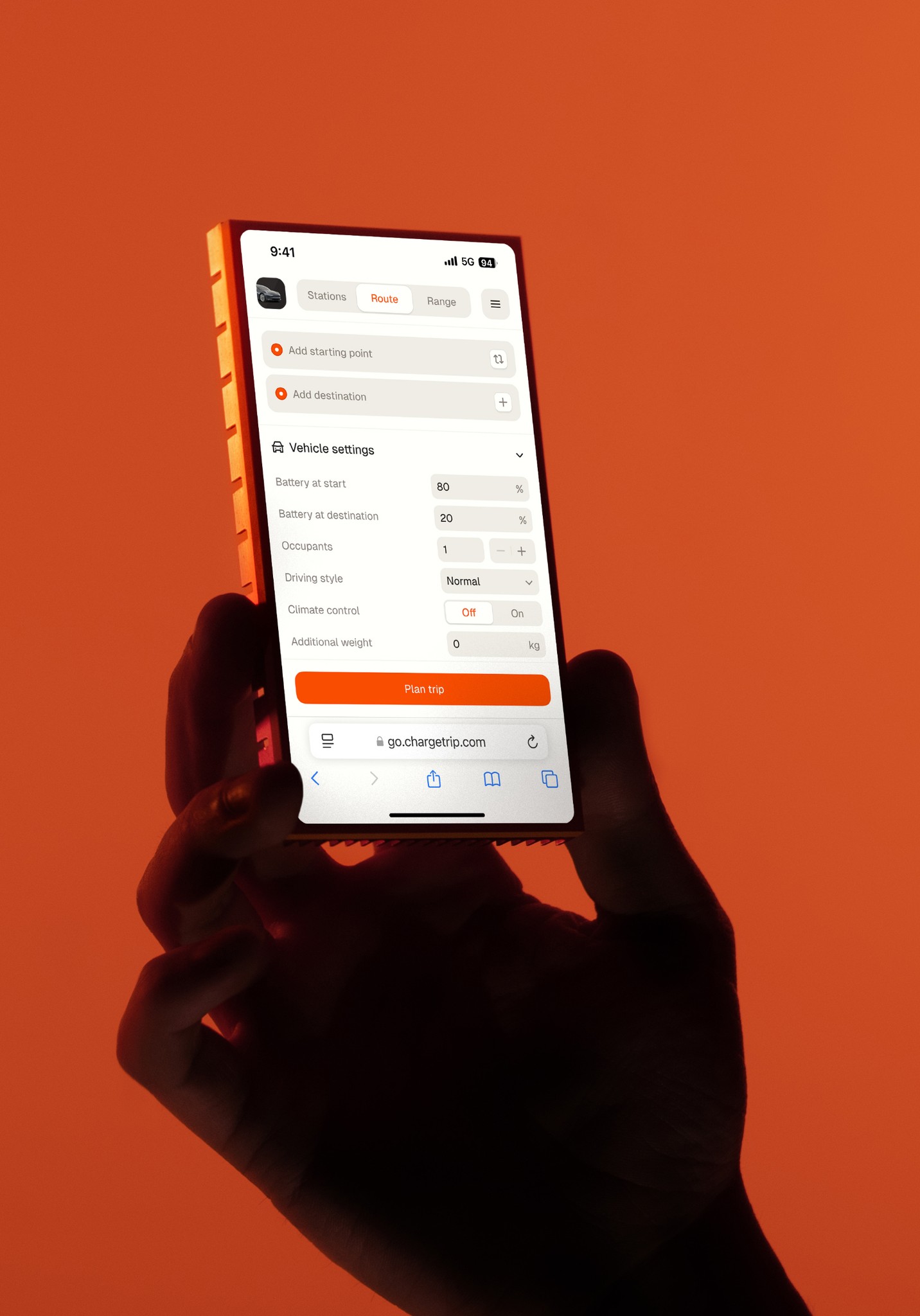
A charging station that isn't in a routing app doesn't exist for most EV drivers. They don't scan the horizon for a sign. They don't remember your brand from the motorway. They open a routing app before they leave, and the app tells them where to charge. If your station isn't in that recommendation, the driver goes somewhere else, and they never even know your station was there.
This is the reality charge point operators and eMSPs are up against. Building the hardware is the easy part compared to making sure it's actually surfaced when a driver is planning a route. Getting listed is not automatic, and it is not permanent. It's a data and integration problem, and it has a fairly specific fix.
Here's what determines whether your station shows up, and what to do about each part of it.
Why stations get skipped
Routing apps calculate a recommendation based on the vehicle's energy state, the route ahead, and the charging infrastructure available along the way. For your station to be a candidate in that calculation, three things need to be true:
The app's database needs to know your station exists. The connector types, charge speeds, and access conditions listed need to be correct. And the real-time availability status needs to reflect what's actually happening at the station right now.
Miss any one of these, and the algorithm has a reason to route around you. A station with the wrong connector type listed gets filtered out before it's even considered. A station with no live availability data looks riskier than one that reports it clearly. A station that hasn't been resubmitted or refreshed in months can quietly drop out of an app's index.