A charger that sits idle most of the day is a capital asset not doing its job, whether it's a public station waiting for drivers who never get routed to it, or a depot charger waiting for a van that's parked in the wrong bay at the wrong time. Utilization is the number that determines whether charging infrastructure pays for itself, and for both charge point operators and fleet operators running their own depots, low utilization traces back to the same root cause: the charging isn't being planned or directed, it's happening by default.
The public charging side: getting drivers to the chargers you have
For a CPO, utilization depends on whether drivers actually get routed to your stations. A charger with perfect uptime and full functionality still shows low utilization if it never appears in the routing recommendations drivers are following.
Routing visibility is the first lever. If your station data isn't accurately and completely represented in the databases routing apps query, connector type, charge speed, live availability, drivers heading right past your location get sent somewhere else. Utilization problems that look like a demand or location problem are often a data visibility problem instead.
Real-time availability status affects ranking, not just display. Routing algorithms weight stations with reliable, current status data more favorably than stations with stale or missing data. A station that reports availability accurately, continuously, gets recommended more often than an identical station that doesn't.
Pricing and access clarity remove friction at decision time. Drivers comparing charging options in a routing app skip stations where pricing or access requirements are unclear, even if the station itself is fine. Clear, accurate listing data converts consideration into an actual stop.
The depot side: getting the fleet's own chargers scheduled properly
For a fleet operator running a depot, the utilization problem looks different but comes from the same place: charging that isn't planned around the actual operational schedule.
Charging without a schedule creates bottlenecks. If every van plugs in whenever it returns to depot, some chargers sit empty for hours while others queue up at shift change. Depot charging needs to be scheduled against each vehicle's next dispatch time, not left to whichever bay is free when a driver parks.
Charging to full isn't always the right target. A van that only needs enough charge for tomorrow's route doesn't need to charge to 100 percent tonight. Charging every vehicle to full by default extends charging time unnecessarily and creates artificial contention for chargers that could have served another vehicle in that window.
Route-aware charging schedules unlock more from the same infrastructure. When depot charging plans account for each van's next route, its energy need, and its required departure time, the same number of chargers can service more vehicles per night, because charging time is allocated based on actual need rather than habit.
Energy costs shift with better scheduling too. Spreading charging across off-peak hours, and only charging vehicles for as long as their next route requires, reduces both grid strain and the electricity cost per session, which compounds across a fleet.
Why both sides come down to the same fix
Public station utilization and depot charging efficiency look like separate problems from the operator's chair, but they share a mechanism: charging that's directed by accurate, route-aware data outperforms charging that happens passively. A public charger gets used when routing data puts it in front of the right drivers at the right moment. A depot charger gets used efficiently when it's scheduled against the fleet's actual routes rather than left to first-come availability.
In both cases, the fix isn't more chargers. It's smarter direction of the chargers already installed.
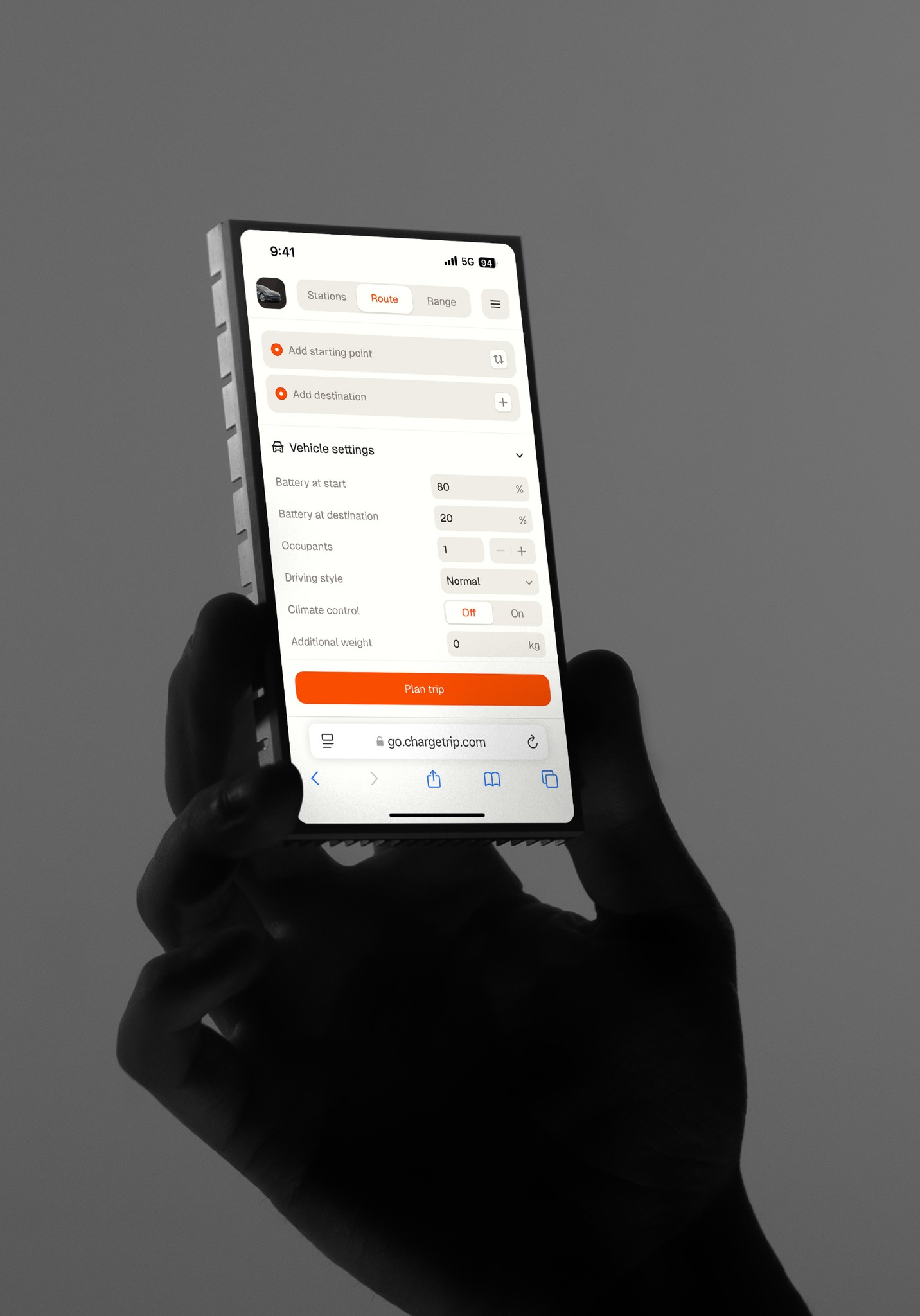
Chargetrip offers both API integration for CPOs and fleet operators building routing and charging intelligence into their own systems, and No-code tools for those who want better utilization without a development project.
See how Chargetrip can help you get more out of your charging infrastructure.