Newsroom

How to Overcome EV Range Anxiety in 2026, for EV drivers and commercial fleet operators.

Newsroom

How to Overcome EV Range Anxiety in 2026, for EV drivers and commercial fleet operators.

Newsroom

How to Overcome EV Range Anxiety in 2026, for EV drivers and commercial fleet operators.

Range anxiety isn't really about the battery. It's about not knowing. A driver with a full charge and an accurate picture of what that charge can do doesn't feel anxious, they feel informed. The anxiety shows up when the number on the dashboard and the reality of the road ahead don't obviously match, and the driver is left guessing whether they'll make it.

That gap between displayed range and actual range is the entire problem, and it's solvable. Range anxiety in 2026 persists not because the underlying technology can't support long trips, but because the information drivers get at the moment they need it most is often wrong or incomplete.


Where the anxiety actually comes from

Dashboard range reflects the past, not the trip ahead. Most EVs calculate the range figure from recent driving history, average speed, recent climate control use, recent terrain. That number is a reasonable estimate for continuing to drive the way you just were. It says nothing about the specific trip you're about to take, which might be faster, hillier, colder, or more heavily loaded than your recent driving.

Real-world range varies more than drivers expect. Motorway speeds, headwinds, cold weather, and a full cabin of passengers and luggage can all reduce range well below the spec-sheet or dashboard figure. A driver who plans against the optimistic number and gets the pessimistic result is the driver who ends up anxious, or stranded.

Charging infrastructure uncertainty compounds the range uncertainty. Even a driver with an accurate range estimate can feel anxious if they don't know whether the charger they're counting on will actually be available, working, and the right connector type when they arrive. Range anxiety and charging anxiety are two names for the same underlying problem: not knowing what's ahead.

What actually removes the anxiety

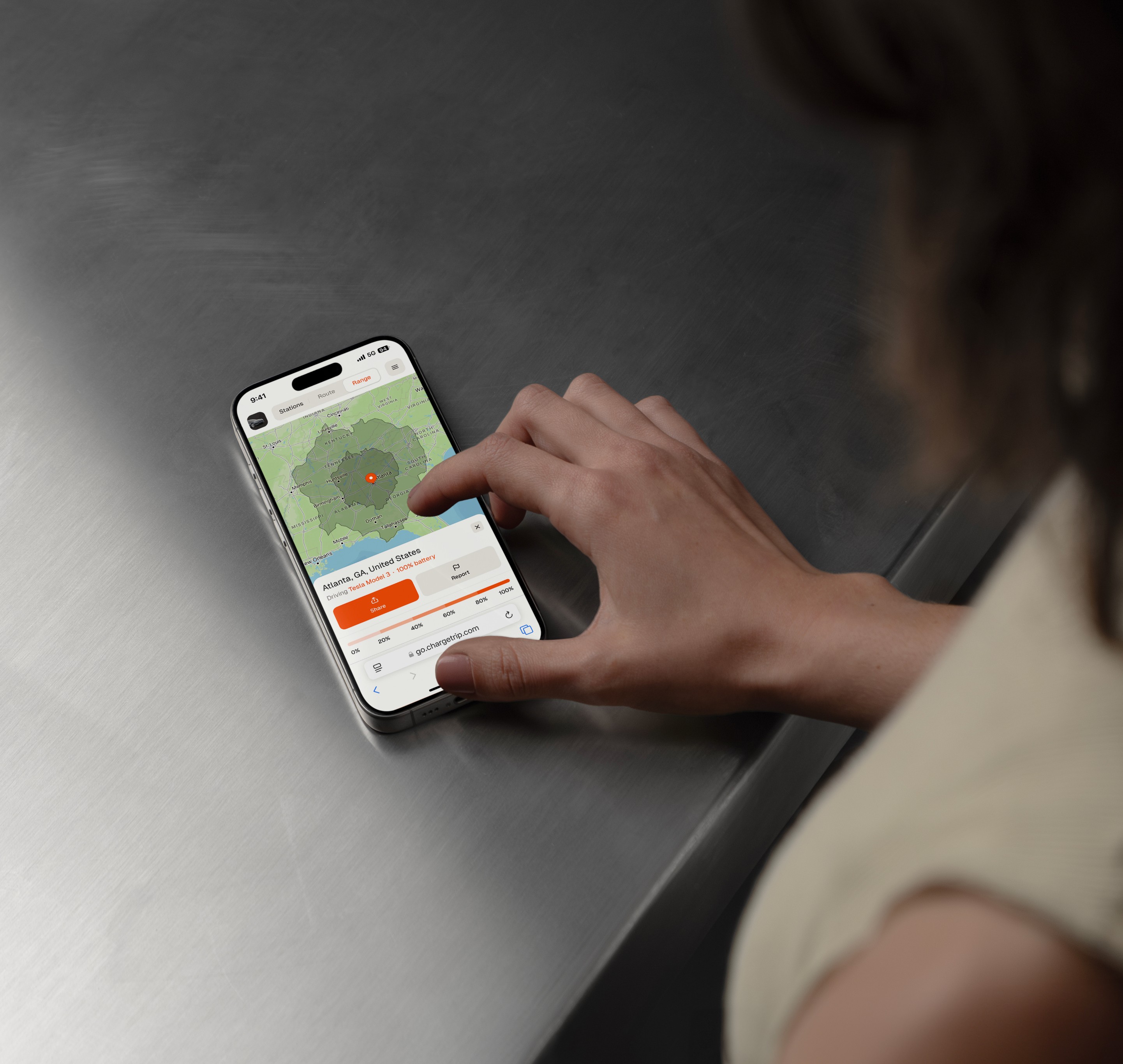
Trip-specific range calculation, not dashboard extrapolation. The fix is calculating range based on the actual planned route, current weather, vehicle load, and the specific vehicle's real consumption profile, not a rolling average of recent driving. When a driver sees a range figure that's actually built for their upcoming trip, the number becomes trustworthy instead of a rough guess.

Charging stops planned in advance, not discovered mid-route. A route that already includes exactly where to charge, for how long, and confirms that charger will be available removes the moment of uncertainty that produces anxiety. The driver isn't hoping there's a charger ahead. They know there is, because it's already part of the plan.

Live charging network data, not a static map. Knowing a charger exists at a location isn't enough. Drivers need to know it's currently working and available, so the plan they're relying on doesn't fall apart because of a detail nobody could have known from a static listing.

Buffer built into the plan, not left to hope. Good range planning accounts for a margin of safety, arriving at a charging stop with charge to spare rather than cutting it exactly to zero. That margin is what turns "should be fine" into "will be fine."

Why this matters more for fleets than it seems

For individual drivers, range anxiety is an experience problem. For commercial fleets, it's an operational one that scales. A single driver's anxious guess becomes, across a fleet of vehicles running routes daily, a pattern of unplanned charging stops, missed delivery windows, and drivers who don't trust the vehicles they're assigned. Fleet operators who solve range anxiety at the routing level, giving every driver a trip-specific, charging-aware plan before they leave, remove the problem at the source rather than managing the fallout of it route by route.

Range anxiety has a straightforward answer: give drivers accurate, trip-specific information instead of a generic estimate, and plan the charging stops before the trip starts instead of leaving the driver to discover the need for them on the road.

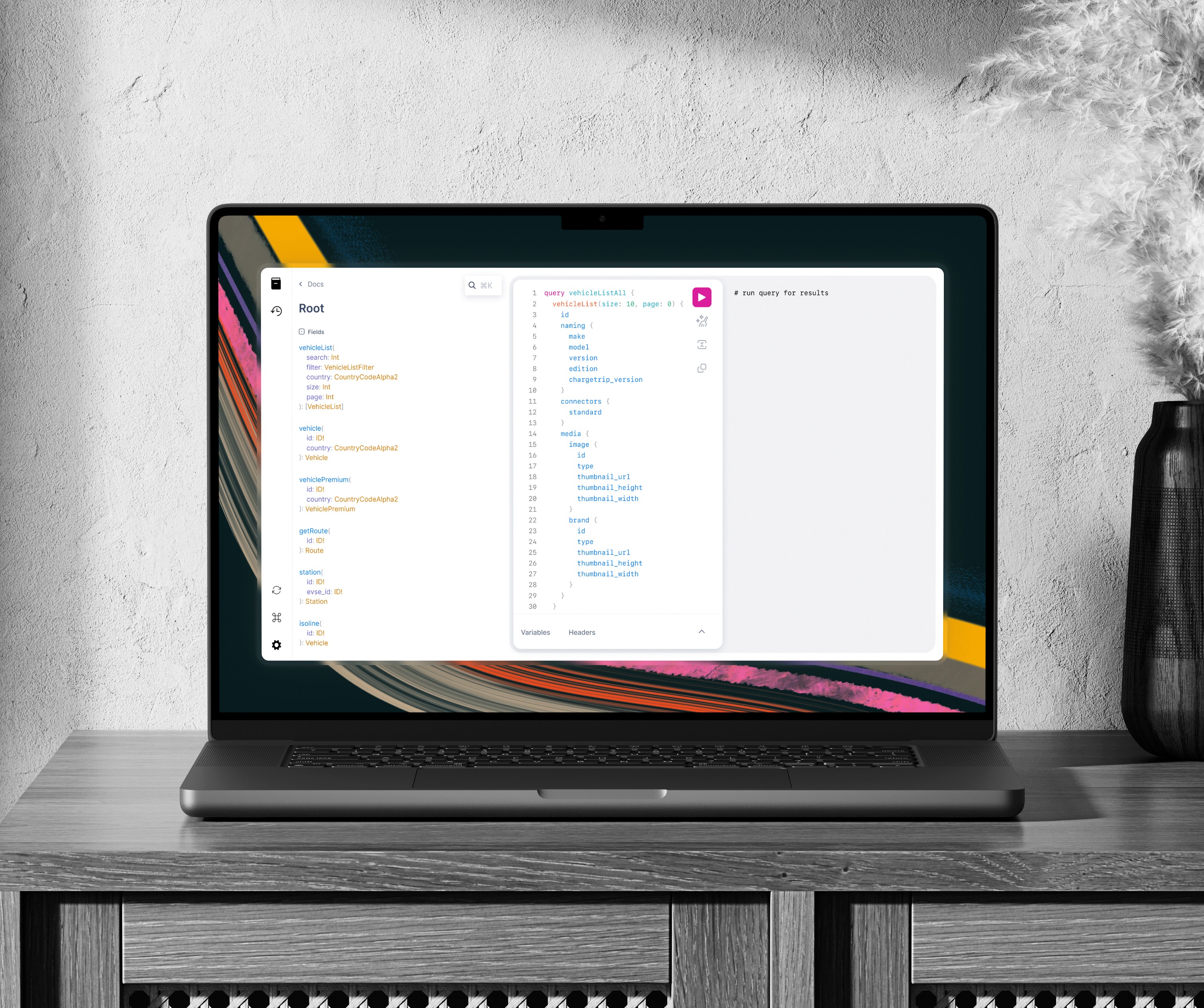
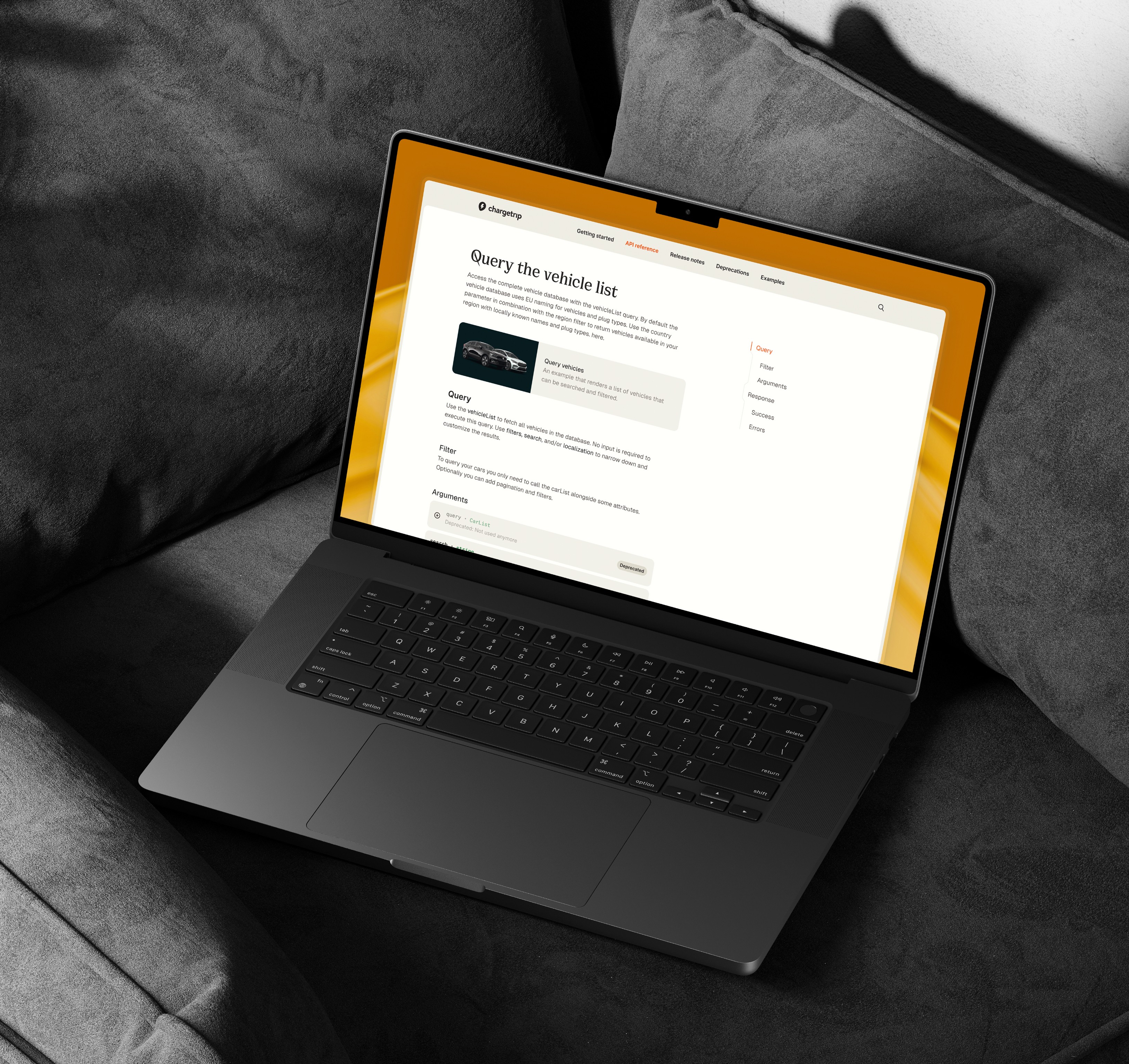
Chargetrip offers both API integration for platforms and fleets building accurate range and routing intelligence into their own apps, and No-code tools for those who want it live without a development project.

See how Chargetrip can help eliminate range anxiety for your drivers.

Get started with Chargetrip

Chargetrip is a mission-driven technology company helping the world transition to electric mobility.

Subscribe for monthly perspectives from Chargetrip leadership.

© Chargetrip B.V

Chargetrip is a mission-driven technology company helping the world transition to electric mobility.

Subscribe for monthly perspectives from Chargetrip leadership.

© Chargetrip B.V

Chargetrip is a mission-driven technology company helping the world transition to electric mobility.

Subscribe for monthly perspectives from Chargetrip leadership.

© Chargetrip B.V