A leasing customer who has a bad range anxiety experience in month two doesn't wait for the contract to end before deciding they're not renewing. They decide right there, in the moment they're stranded on the shoulder or arrive at a charger that's occupied, that their next vehicle will be a petrol car. By the time the lease is up, the decision was already made months earlier.
This is the pattern behind EV leasing churn, and it's worth naming clearly: churn in EV leasing is rarely a pricing problem. It's an operational trust problem. The customer stopped believing the vehicle would reliably get them where they needed to go, and once that trust is gone, no amount of end-of-lease incentive wins it back.
Where the trust breaks
The failure points are consistent across leasing fleets, and they cluster around three moments.
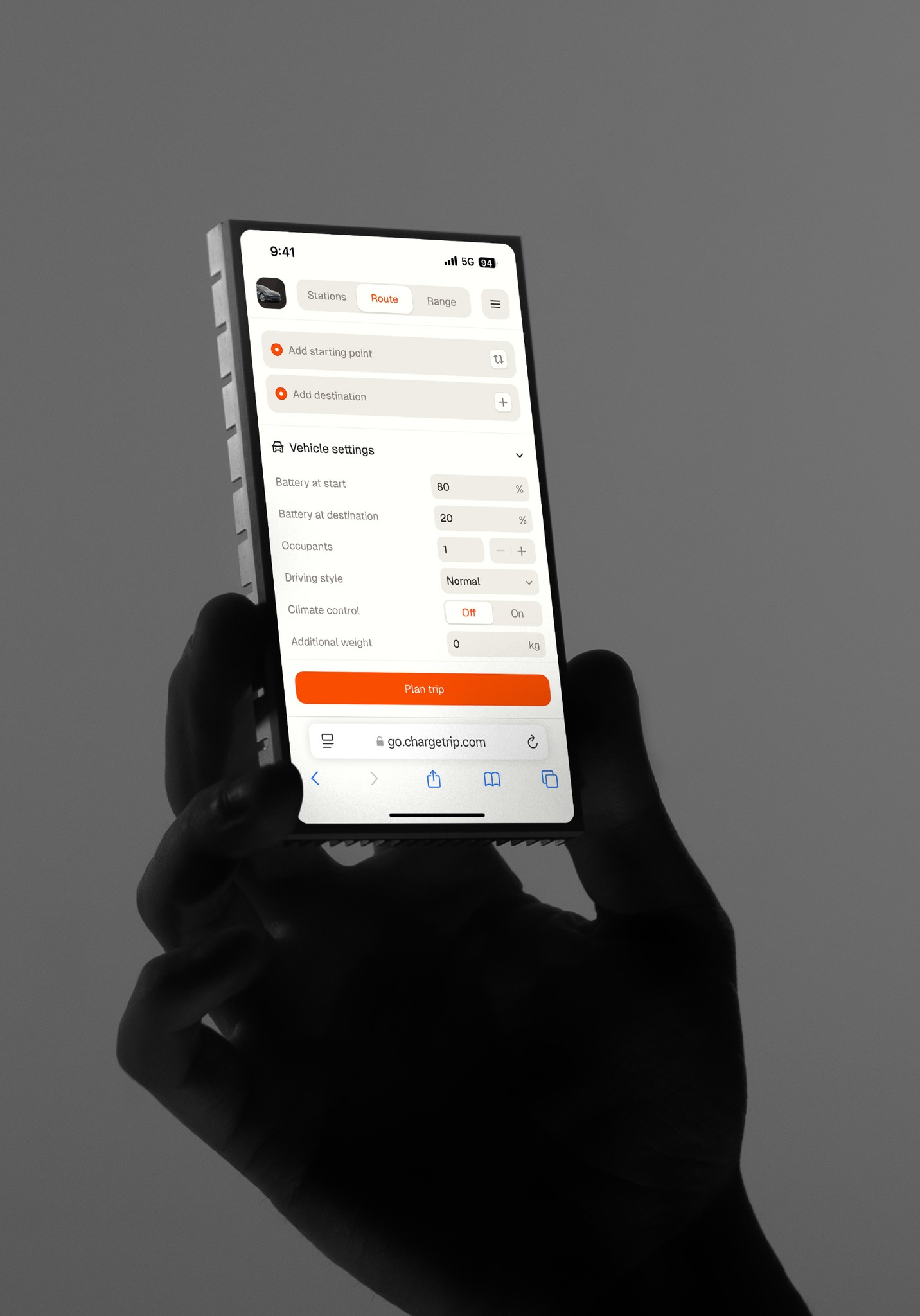
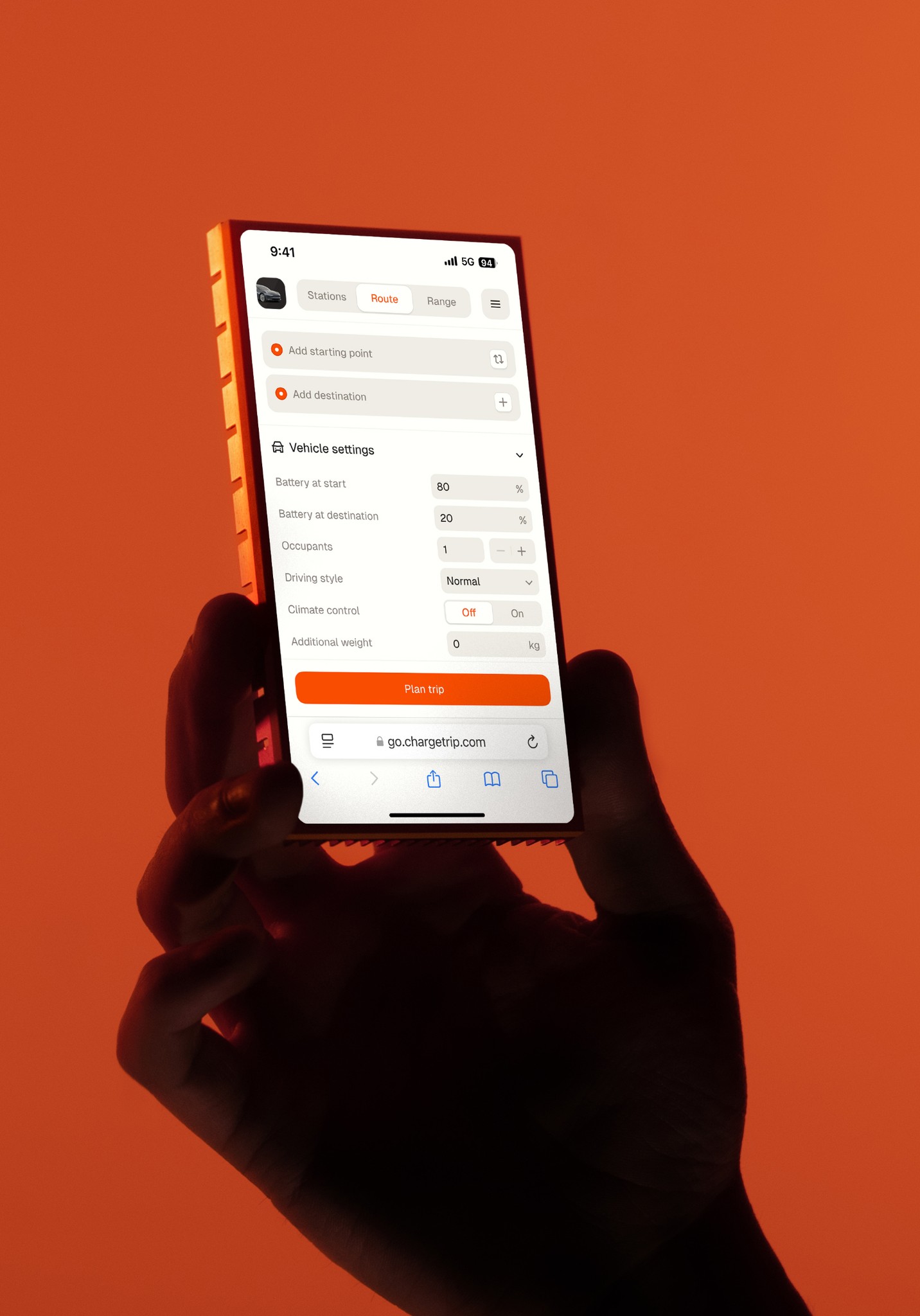
The first is onboarding. A new EV lessee gets the keys, maybe a quick walkthrough of the dashboard, and is expected to figure out range planning on their own. Most have never owned an EV before. The dashboard range estimate reflects the previous driver's habits, not theirs, and it says nothing about today's weather, load, or route.
The second is the first long trip. Every lessee eventually takes a drive longer than their daily commute, and this is where an inaccurate range estimate turns into a real problem. If the vehicle can't make it and the driver didn't know that in advance, that single trip can undo months of otherwise fine experience.
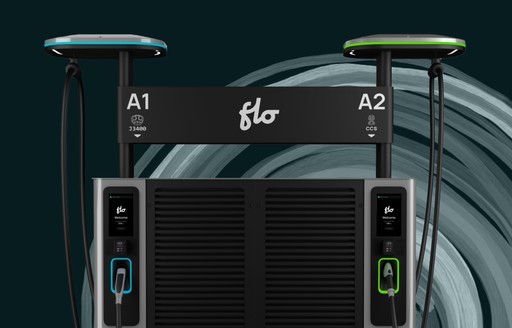
The third is charging access. A driver who repeatedly arrives at chargers that are broken, occupied, or the wrong connector type starts associating the vehicle itself with unreliability, even though the actual fault is charging infrastructure data, not the car.