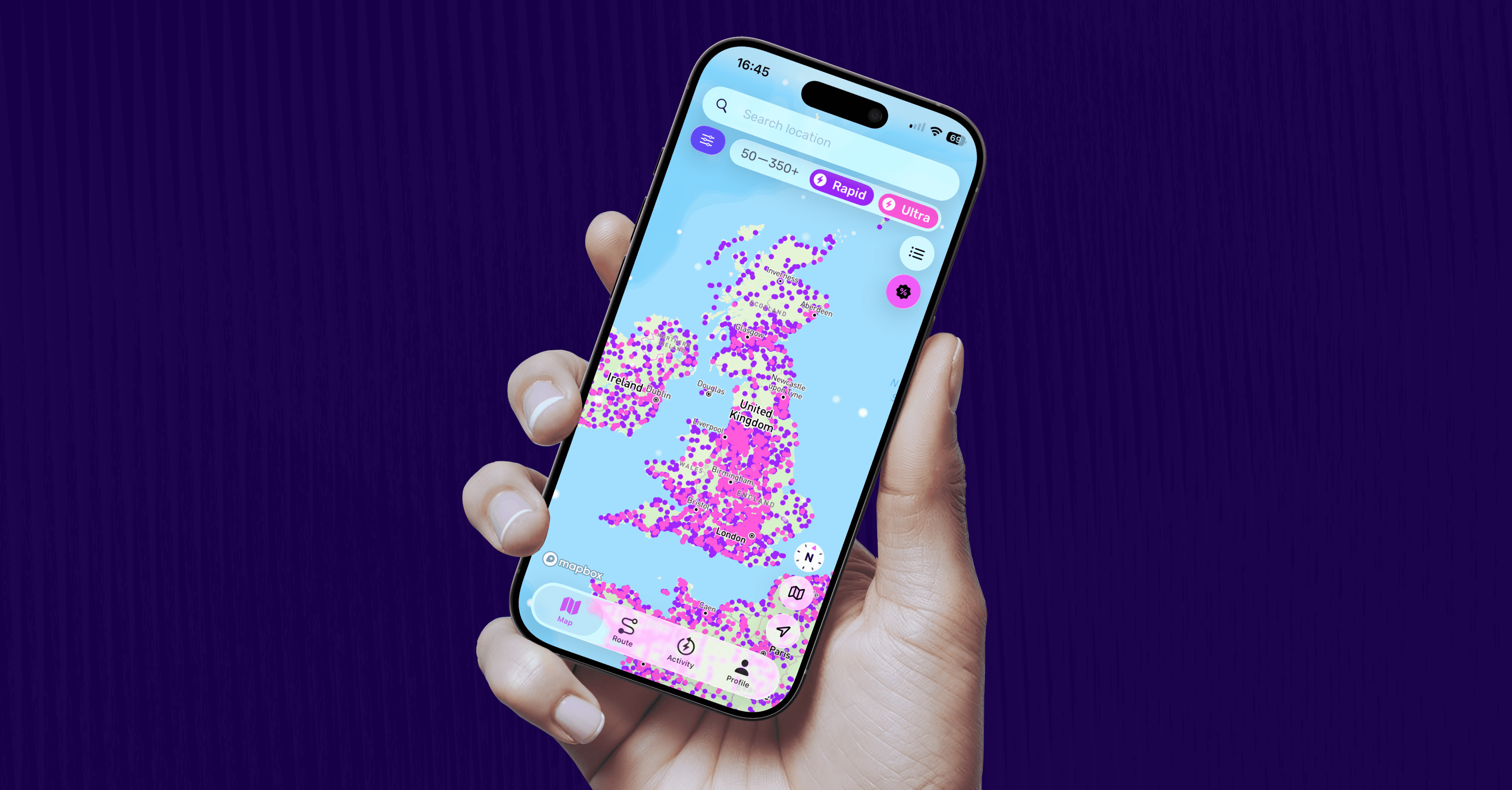
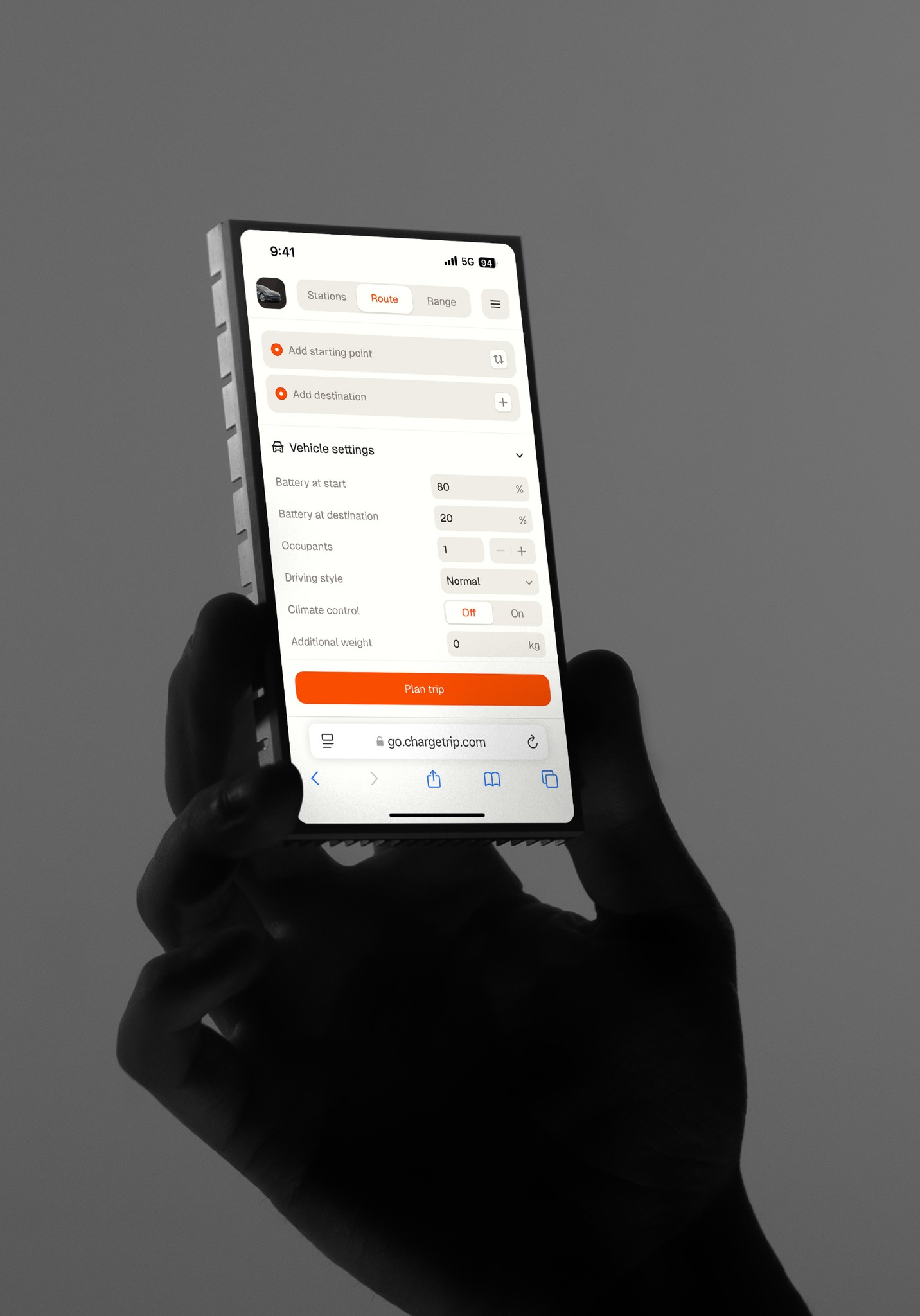
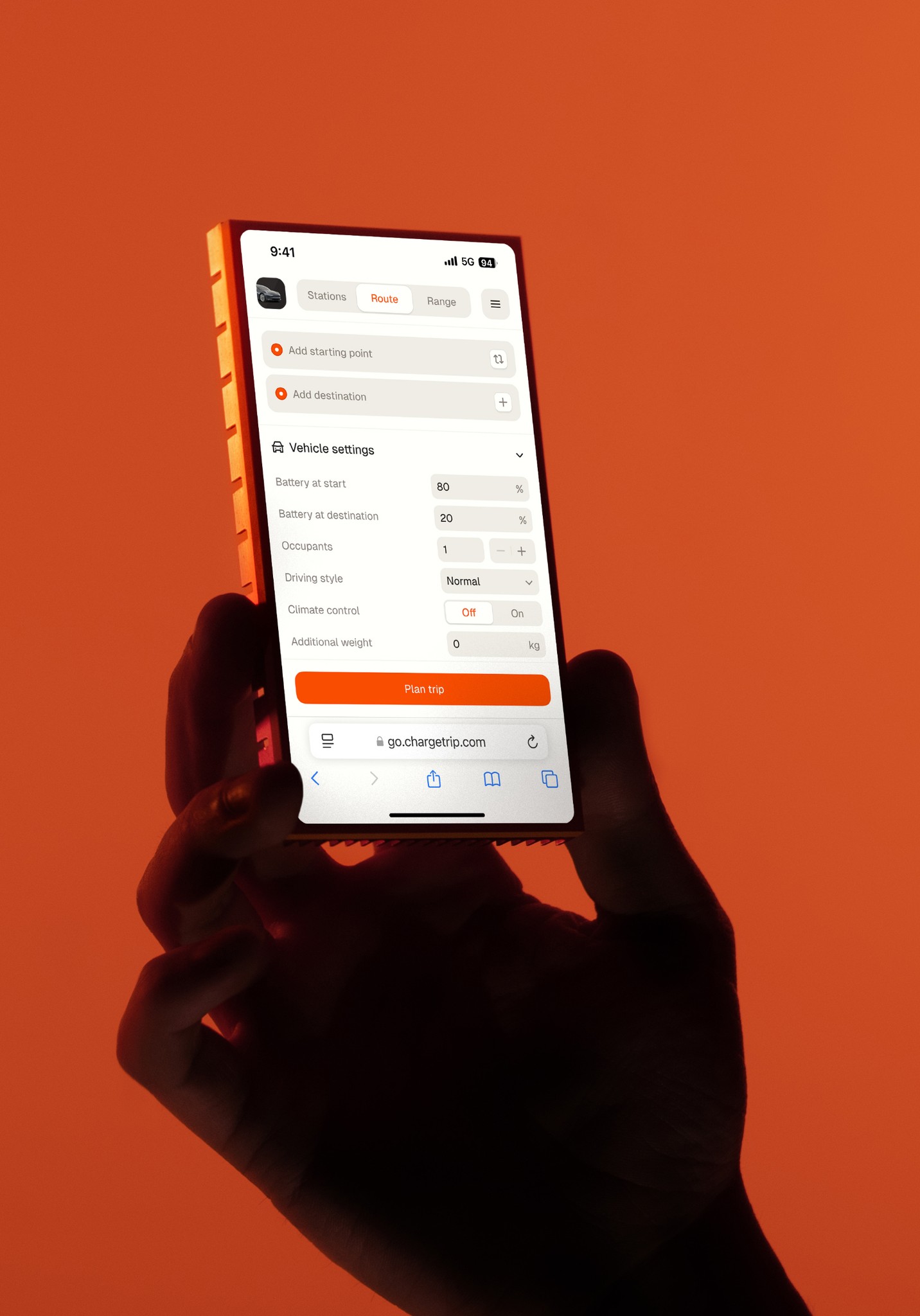
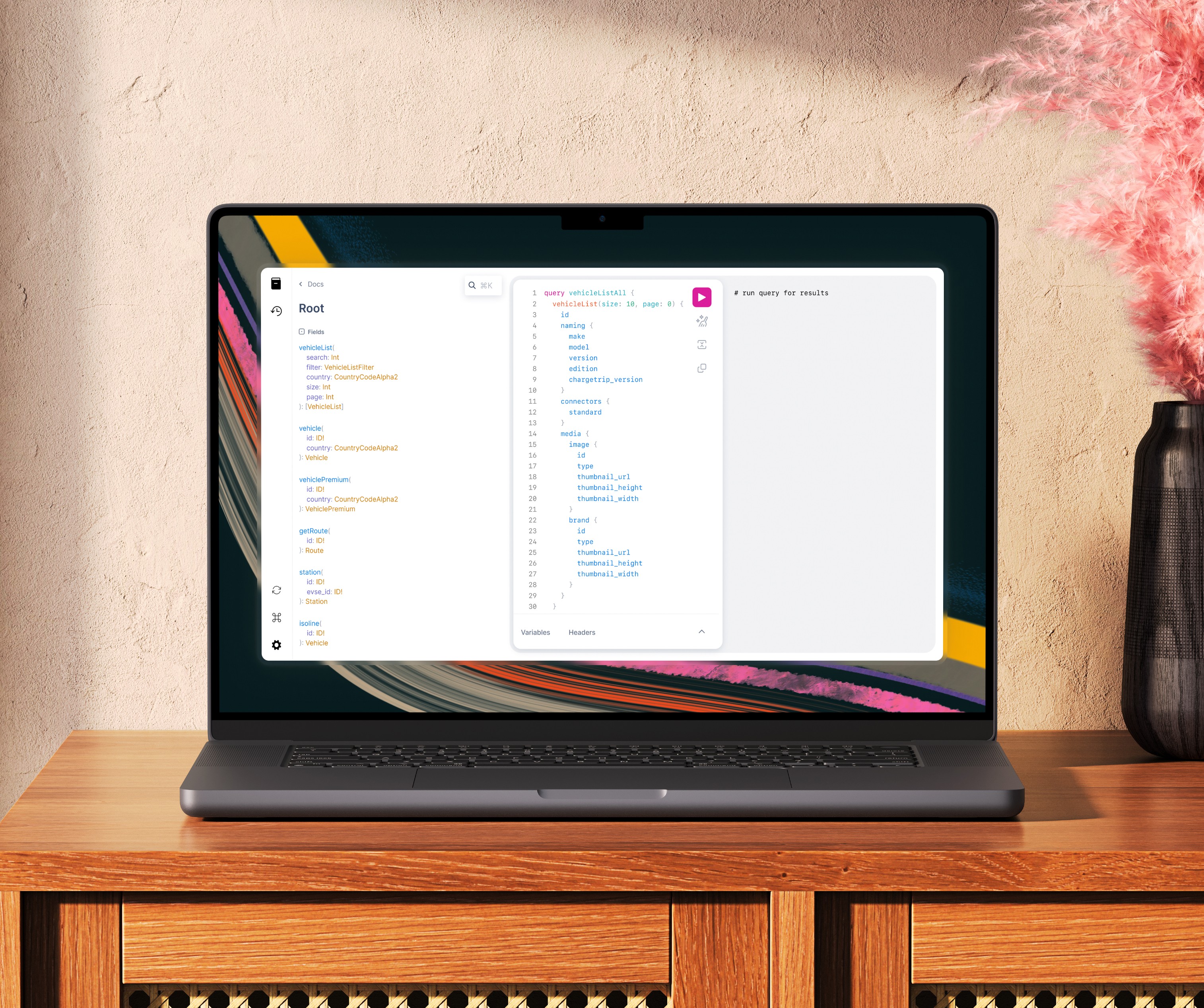
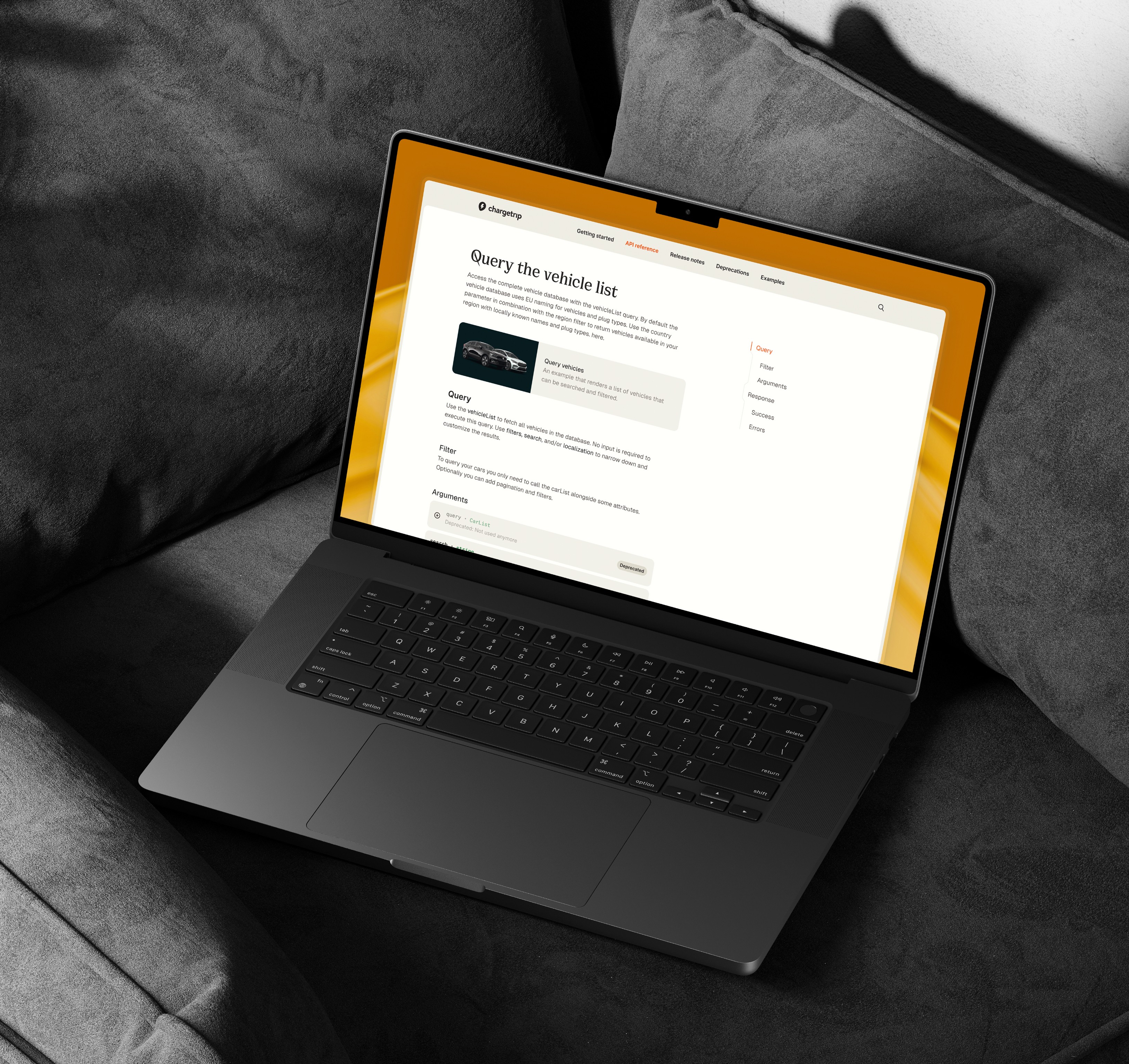
Octopus Electroverse replaced its legacy routing tool with Chargetrip's engine, moving from a slow, limited system to near-instant, vehicle-specific route planning across its network of 1.5 million public chargers in 40+ countries. The switch changed how power users engage with the app, how confidently drivers navigate abroad, and how Electroverse's licensing partners can build on top of the network.
Insights below come from Rachel Beaton, Commercial Director at Electroverse & Octopus Fleet. Rachel has over 15 years of experience across tech, spanning insurance tech, proptech, and, more recently, eMobility, with a career path across product, data, project delivery, compliance, and now commercial and financial strategy. At Octopus Fleet, she works with businesses as they electrify their fleets using Octopus Fleet's product suite.
The challenge: a functional but limited routing tool
Before Chargetrip, Octopus Electroverse already offered routing as part of its charging experience. It worked, but it was holding the product back.
"It was functional. It did what it needed to do — it got people a route from A to B with charging stops along the way," said Rachel Beaton at Octopus Electroverse. "But we were limited in terms of how we could improve upon that and build on it moving forward."
Speed was the biggest issue. The old tool was slow, and that ceiling made it hard to layer in the features Electroverse wanted to build next, like richer search and filtering for drivers.
Why Chargetrip
Electroverse evaluated routing providers on how much room they had to grow, not just what they could do on day one. Chargetrip stood out on feature depth and performance.
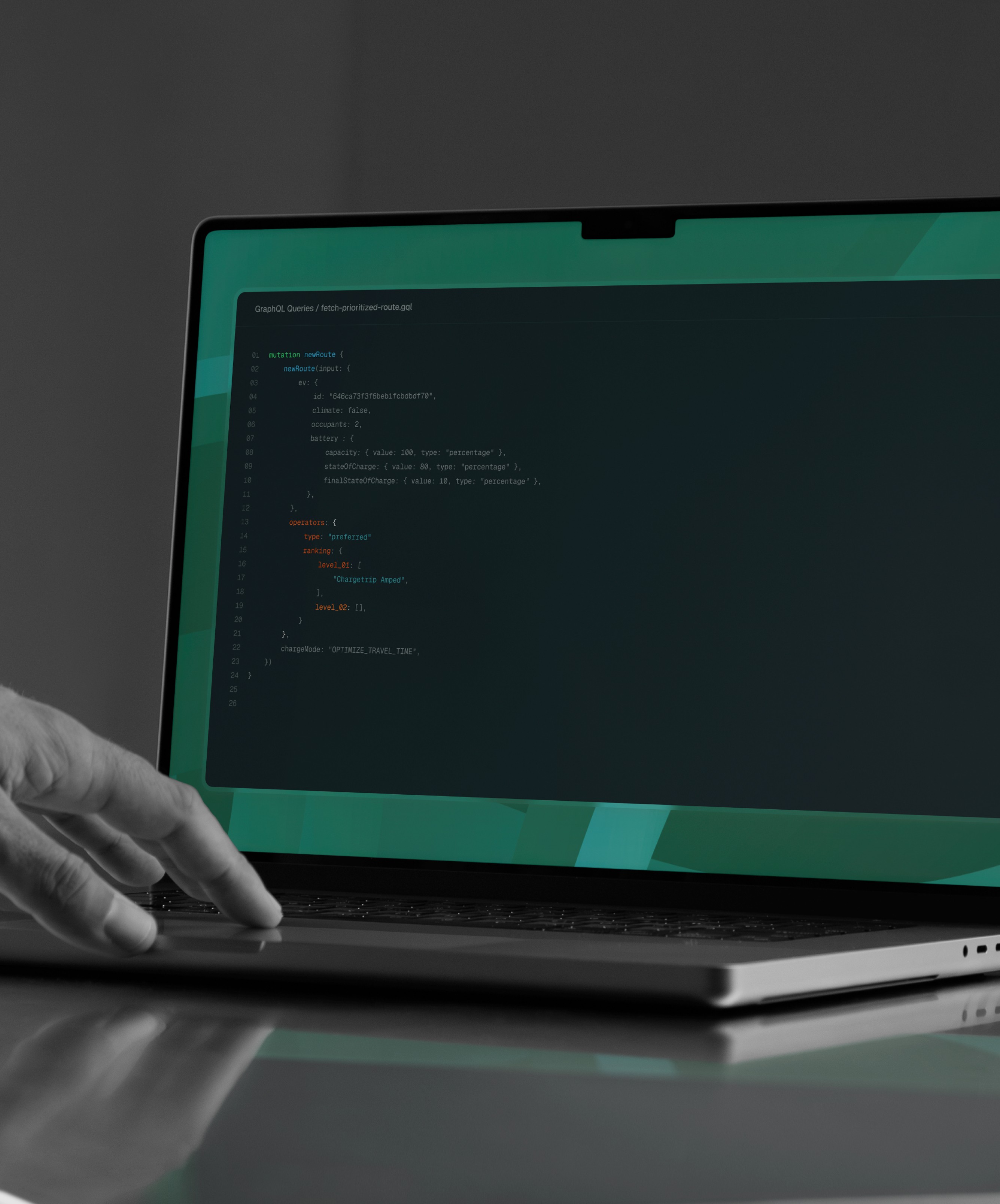
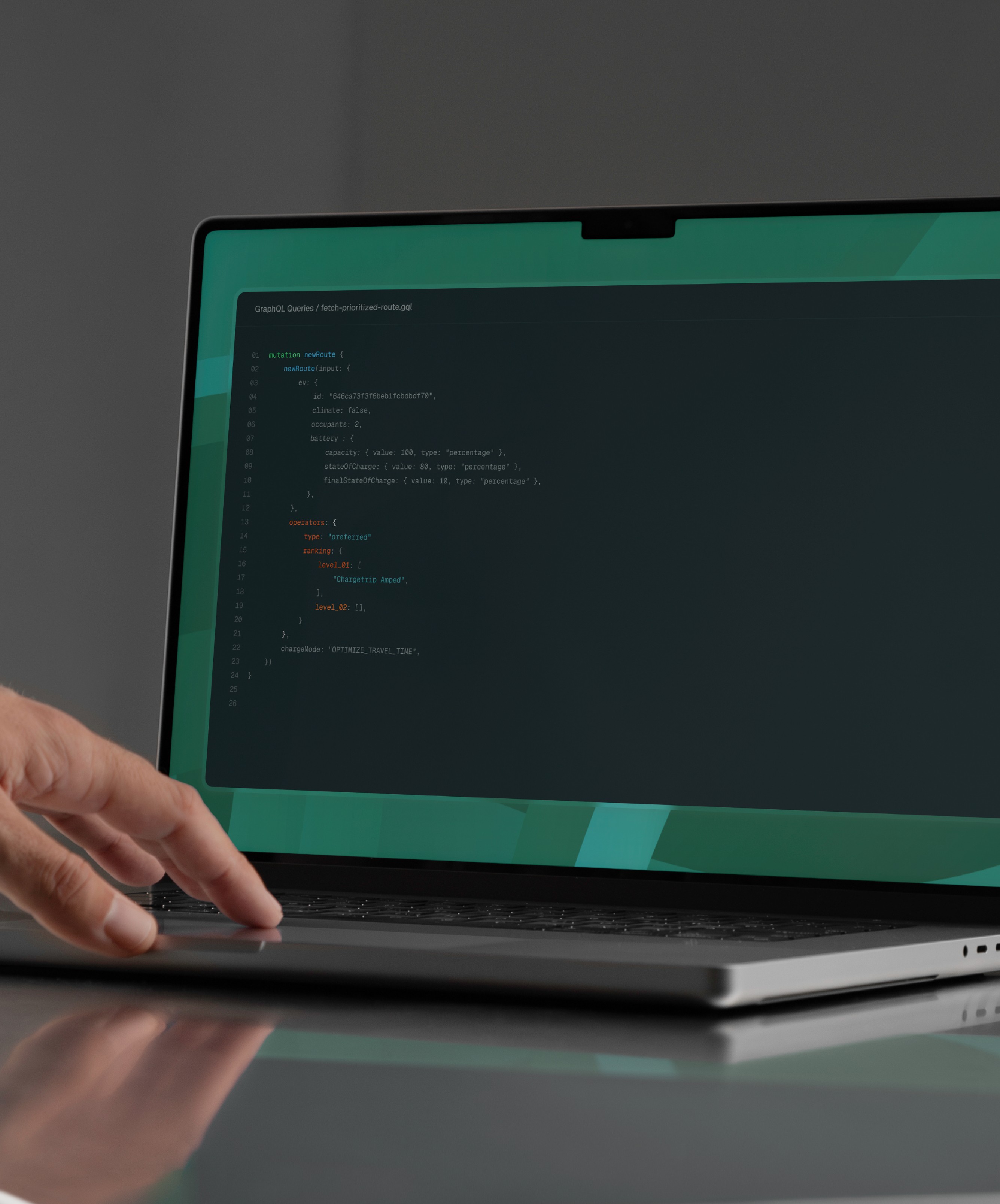
"Ultimately, it was the number of different features that were available — the ability to prioritize certain operators. If a customer's got a subscription with an operator, they want to be able to prioritize that.” Early testing also showed a clear performance jump: "We could see that we'd be able to build a much more performant solution than what we currently had."
A faster-than-expected integration
The technical rollout kept pace with, and even outran, the commercial side of the deal.
"It was definitely a smooth technical experience... the integration was actually almost done in the background while we were doing the contracting. It was quicker than the legal side," Beaton said.