The challenge
Before launching its own route planner, Arval drivers typically relied on third-party apps to plan EV journeys. As Florent, Product Manager for the Arval Route Planner, explained:
“They were using other apps such as ChargeMap, or anything that was available on the market.”
This fragmented experience created practical issues for both drivers and Arval. Third-party routing tools did not reflect Arval’s preferred networks, country-specific pricing, or Arval energy card acceptance. Drivers often needed multiple apps to:
plan routes
check charger availability
verify pricing
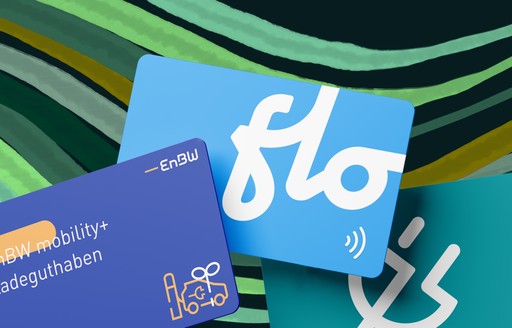
confirm whether their Arval Energy card would work
From Arval’s perspective, the bigger challenge was compatibility. External tools did not reflect Arval’s charging agreements, meaning drivers could be routed to stations where their energy card was not accepted, especially when travelling across borders.
As EVs became a larger share of the fleet, routing moved from being a “nice-to-have” feature to a strategic checkpoint.
Charging decisions are made before a journey starts, not at the point of refueling. That makes route planning the moment where charging behavior can realistically be influenced.
The fragmentation across apps was a recurring issue:
“A lot of drivers use many different apps to find the station, do the routing, verify the pricing, verify the availability, and then navigate.”
For Arval, the goal was not to replace every navigation function, but to give drivers one reliable place to plan EV-specific journeys aligned with Arval’s charging ecosystem.
When Arval evaluated routing options, the requirement went beyond calculating routes with charging stops. The solution needed to support the full scope of Arval’s EV use cases across multiple European markets, including differences in charging access, operator agreements, and country-specific logic.
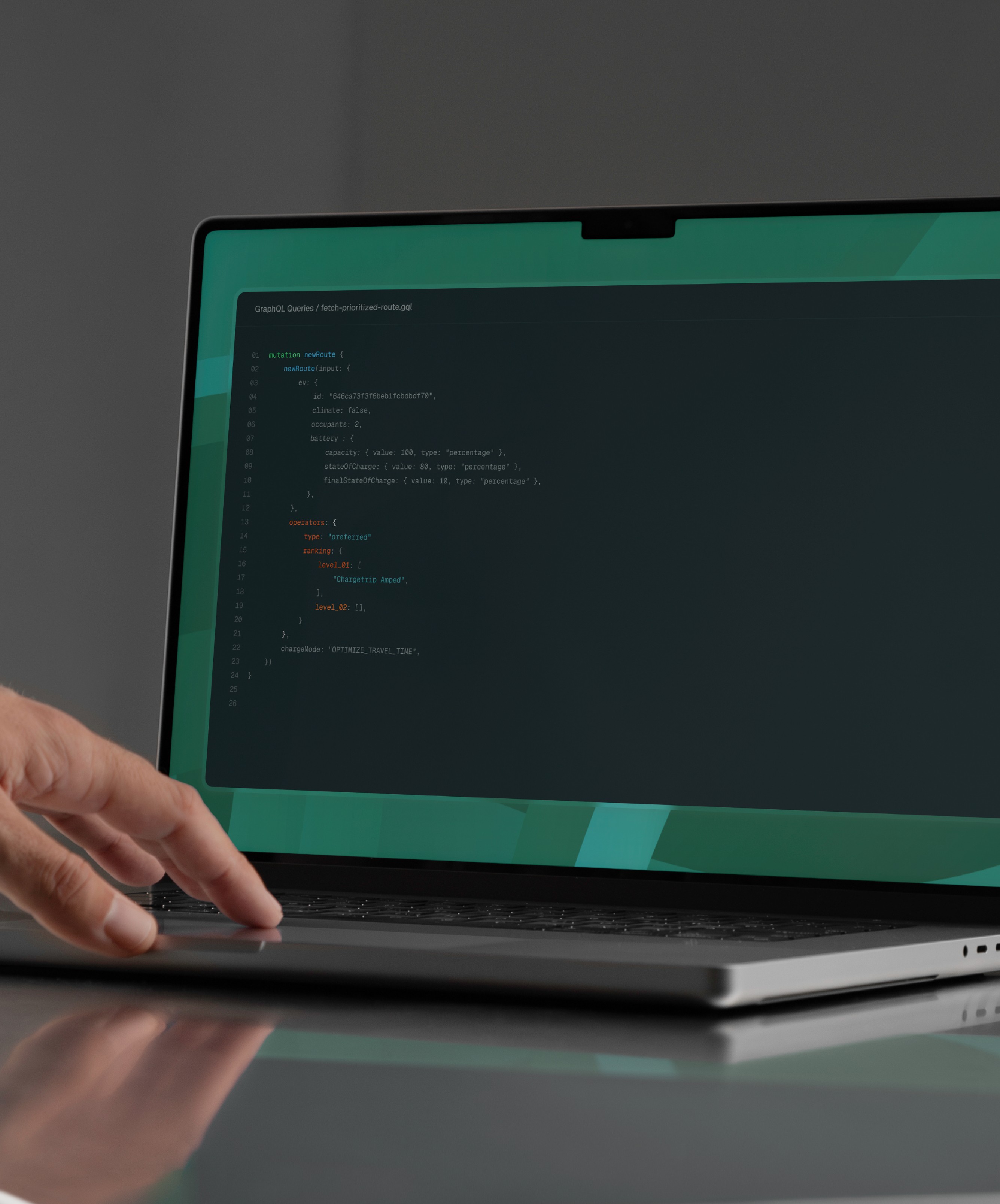
A key part of that scope was monitoring over where drivers are routed to charge. Arval wanted routing to guide drivers to stations where their Arval Energy card actually works,
Speed to launch also played a role. Arval wanted to make routing available inside the My Arval app.
“The No-code solution is a big value, it allowed us to go fast and have a really quick go to market.”
The solution
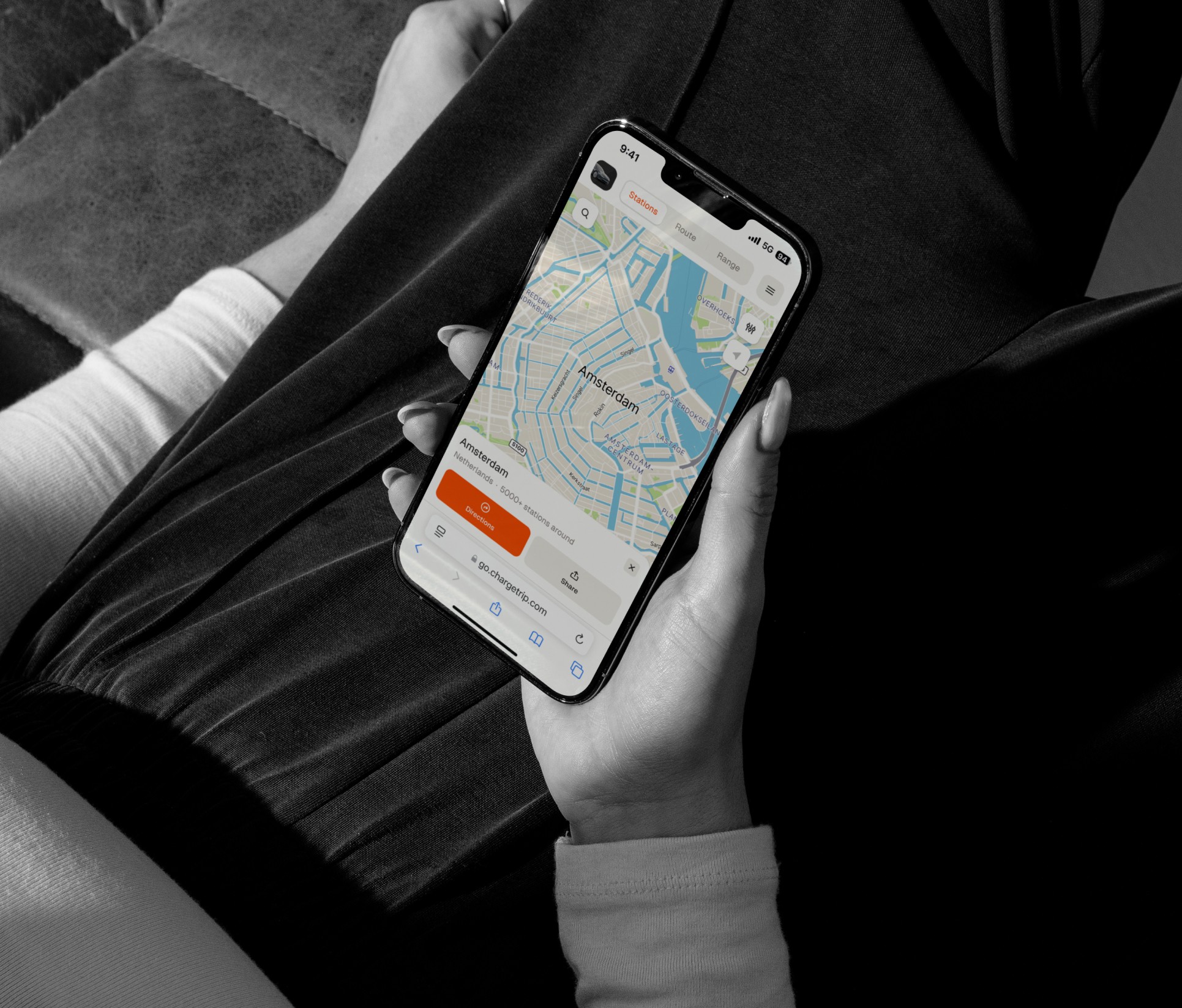
Arval launched the Arval Route Planner, powered by Chargetrip, and embedded it directly into the My Arval app. Rather than developing a standalone charging or routing app, Arval chose the No-code integration that could be accessed through a direct link inside the existing driver environment. This approach allowed Arval to launch quickly and avoid additional app downloads while keeping the driver experience centralized.
“The main goal is for drivers to have access, not have too many apps that they need to use.”
With the Arval Route Planner, drivers can:
select their vehicle
enter start and destination points
plan routes with EV-specific charging stops
see only stations compatible with their Arval Energy card
This way country-specific logic is handled centrally. While the driver experience remains consistent, routing logic adapts behind the scenes at a market level.
In practice, routing accounts for:
which charging networks are accessible in a given country
how charging access differs depending on where the Arval Energy card was issued
For drivers, this complexity is invisible. The routes suggested include charging stops they can actually use, in the country they are driving in, with the card they have.
This reduces failed charging attempts, avoids unnecessary detours, and removes the need for drivers to interpret charging access rules themselves.
Looking ahead
For Arval, EV routing supports a broader shift in how leasing companies manage electrified fleets.
As EVs scale, variability moves from the vehicle to the operating environment: charging access differs by country, pricing varies by network, and roaming agreements change over time. These factors directly affect fleet predictability but sit outside the vehicle itself. Arval’s routing strategy addresses this by treating trip planning as an operational interface. By guiding charging decisions before a journey starts, Arval can reflect real-world charging conditions across markets without requiring drivers to navigate that complexity themselves.