Newsroom

Why your electric van is not completing the route — and what is actually going on.

Newsroom

Why your electric van is not completing the route — and what is actually going on.

Newsroom

Why your electric van is not completing the route — and what is actually going on.

When an electric van fails to complete its assigned route, the instinct is to blame the vehicle. The battery is too small. The range is inadequate. The technology is not ready.

In most cases the vehicle performed exactly as it should. The problem is that nobody told the routing system what the vehicle could actually do.

The gap between a van's rated range and its real-world range is not a manufacturing defect — it is a measurement methodology problem. WLTP range figures are produced in a laboratory at 23 degrees Celsius, with no payload, no heating or air conditioning, on a controlled drive cycle. A cargo van rated at 200 km WLTP delivering parcels in January at motorway approach speeds with a full load will realistically achieve 130 to 145 km. A routing tool that plans a 180 km route using the 200 km figure is not planning a route, it is creating a scheduled failure.


Three things make the gap worse than operators expect.

  1. Cold weather hits harder than the spec sheet suggests. Battery chemistry slows in the cold, reducing available capacity. Cabin heating draws from the same battery that drives the wheels — there is no waste heat from an electric motor. On a 2-degree morning the combined effect can reduce real range by 30 to 40% compared to the WLTP figure.

  2. Payload matters in ways combustion vehicles never made visible. Rolling resistance scales with weight. A van at maximum payload consumes meaningfully more energy per kilometre than an empty test vehicle. WLTP uses no payload.

  3. Battery age adds a compounding factor. Cells degrade over charge cycles. A van that delivered 160 km of real range in year one may deliver 140 km in year three. A routing system using a fixed range figure has no way to account for this drift.

The fix is not a bigger battery or a different van. It is a routing engine that knows what this specific vehicle, at its current age, in today's temperature, with today's load, can actually do, and plans accordingly.

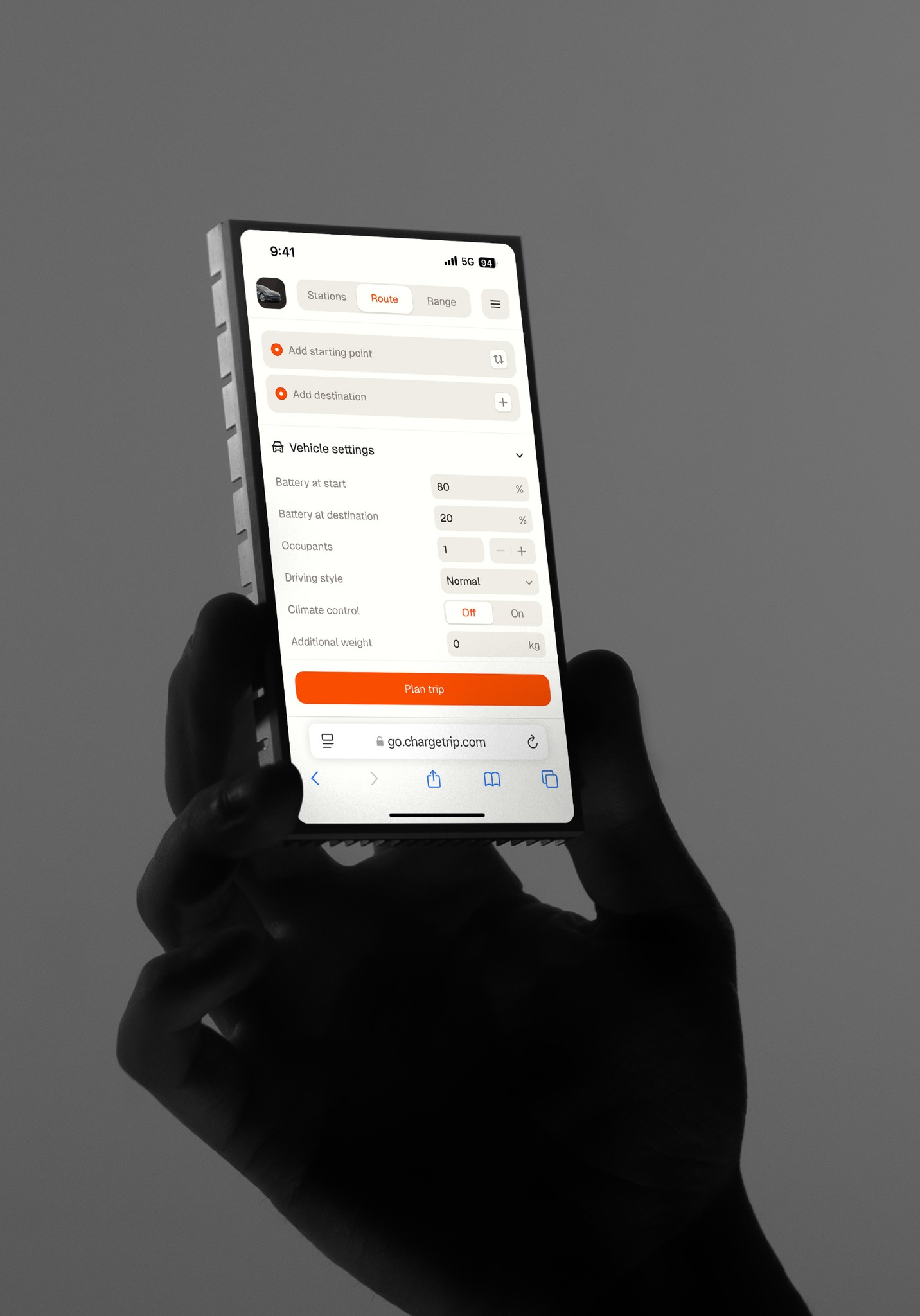
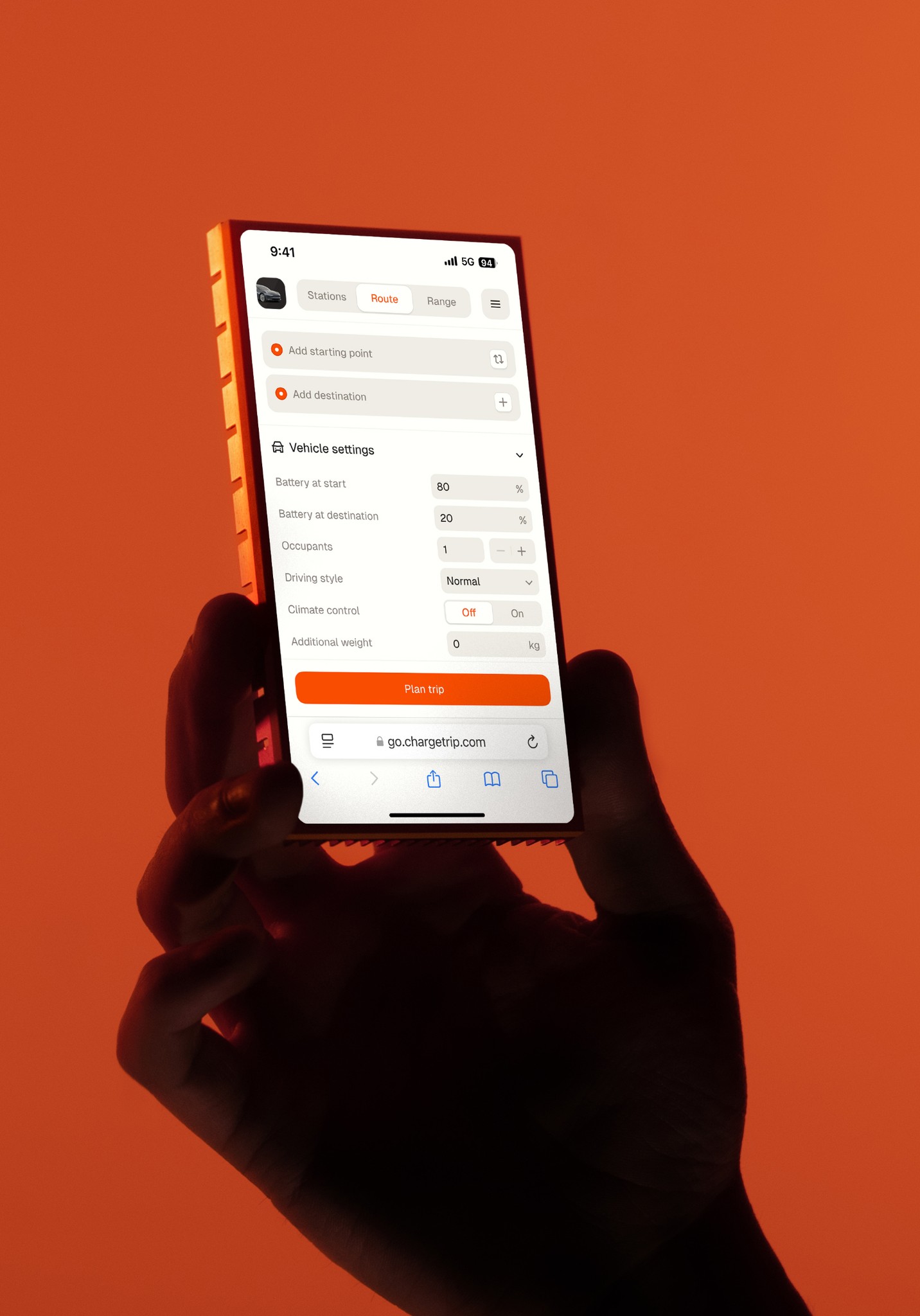
Chargetrip's routing API does this using validated per-model consumption models built from real driving data, not manufacturer specifications. Cold weather, elevation, payload, and battery degradation are all factored in per vehicle, per route, per day. The route that comes back is one the van can actually complete with a charging stop if needed, placed correctly, timed to minimise impact on the schedule.

If your vans are failing routes, the first thing to check is what consumption model your routing tool is using. If the answer involves WLTP range, that is where the problem starts.

See how Chargetrip powers fleet routing, or read more about routing for fleet electrification.

Get started with Chargetrip

Chargetrip is a mission-driven technology company helping the world transition to electric mobility.

Subscribe for monthly perspectives from Chargetrip leadership.

© Chargetrip B.V

Chargetrip is a mission-driven technology company helping the world transition to electric mobility.

Subscribe for monthly perspectives from Chargetrip leadership.

© Chargetrip B.V

Chargetrip is a mission-driven technology company helping the world transition to electric mobility.

Subscribe for monthly perspectives from Chargetrip leadership.

© Chargetrip B.V