An electric van that doesn't finish its route isn't a one-off bad day. It's a missed delivery window, a driver stranded at the wrong charger, and — for leasing companies watching the account — a customer who starts asking whether EVs were the right call. Understanding why vans fail routes, and what data actually prevents it, matters to fleet operators and the leasing firms whose contracts depend on those fleets working.
Why electric vans fail routes
Range estimates that don't reflect the vehicle in the real world. Manufacturer range figures assume ideal conditions. A loaded van, running HVAC, in cold weather, on a hilly route, can see meaningfully less range than the spec sheet suggests. Routing software that uses static range numbers instead of dynamic, condition-aware estimates sets drivers up to fail before they leave the depot.
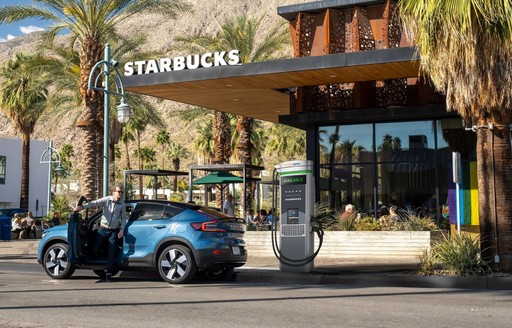
Charging stops that don't account for real availability. A route planned around a charger that turns out to be broken, occupied, or a different connector type than the van uses isn't a route, it's a guess. Static charger databases age quickly; live status data is what keeps the plan realistic.
No margin for depot and delivery constraints. Commercial routes have delivery windows, driver shift limits, and depot return times that consumer routing tools don't model. A route that's technically achievable on range alone can still fail if it doesn't fit these operational constraints.
Driver behavior variance. Two drivers on the same route, same van, can use meaningfully different amounts of energy. Routing that doesn't adapt to actual driving patterns over time keeps making the same optimistic assumptions.
What this costs beyond the missed delivery
For fleet operators, a failed route means late deliveries, driver frustration, and if repeated often enough its a push to go back to combustion vans, undoing the electrification investment. For leasing companies, it's worse: failed routes show up as complaints, early contract terminations, and reputational risk with fleet customers who were promised electrification would work.
How route data changes the outcome
Accurate, vehicle-specific range modeling. Routing built around the actual van model, battery state, load, and conditions (not a generic EV assumption) gives drivers and dispatchers a route they can actually complete.
Live charging infrastructure data. Real-time charger status and connector compatibility mean charging stops in the plan are stops that will actually work when the driver arrives.
Fleet-level visibility for leasing partners. Leasing companies serving EV fleet customers can use aggregated route and charging data to spot patterns before they become complaints: which routes are consistently tight on range, which depots need better charging access, which drivers might benefit from route or vehicle reassignment.
Proactive churn prevention. Leasing firms that can show a fleet customer why a route is failing and adjust it with better data rather than downgrading the customer back to combustion, protect the contract and the relationship. Route data becomes a retention tool, not just an operational one.
Confidence building for EV adoption. For fleets still deciding how far to push electrification, a leasing partner who can point to route reliability data makes the case for expansion much easier than reassurance alone.
Where the fix starts
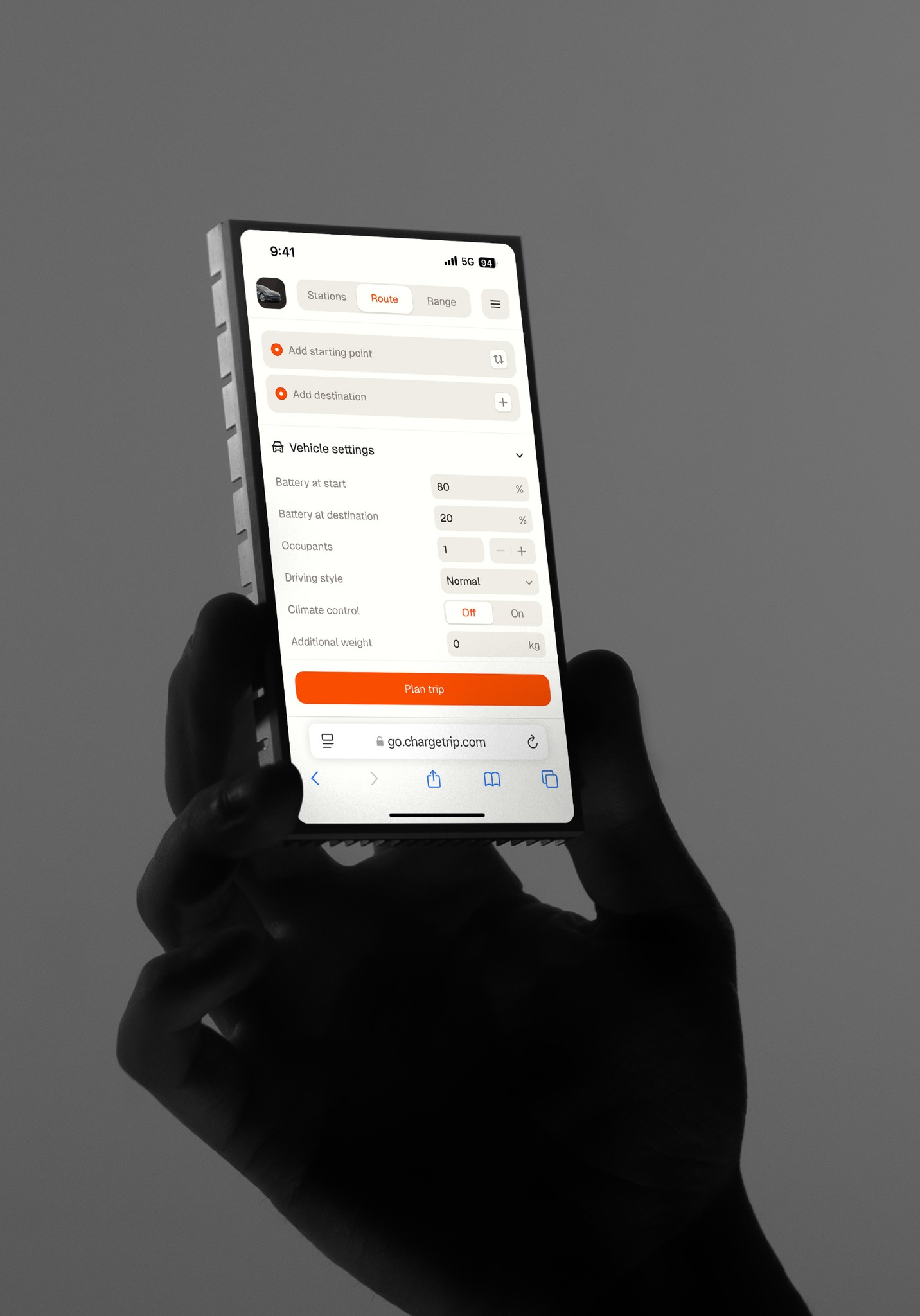
Every version of this problem traces back to the same root: routing decisions made on generic or outdated data instead of real vehicle behavior and live charging conditions. Chargetrip's routing API gives fleet operators and their leasing partners condition-aware range modeling and real-time charging data, so route plans hold up against what actually happens on the road, not just what the spec sheet promised.