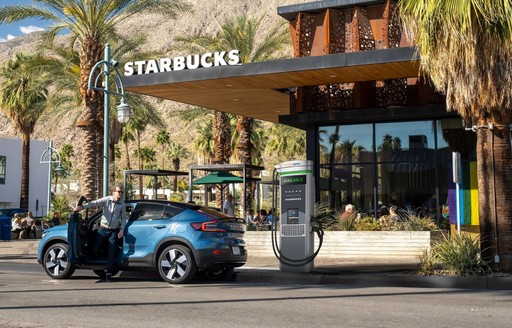
The range figure printed on an EV's specification sheet — and displayed prominently in showrooms, on manufacturer websites, and in leasing brochures — is not a real-world range estimate. It is a laboratory result. Understanding the difference matters for anyone making operational or financial decisions about electric vehicles.
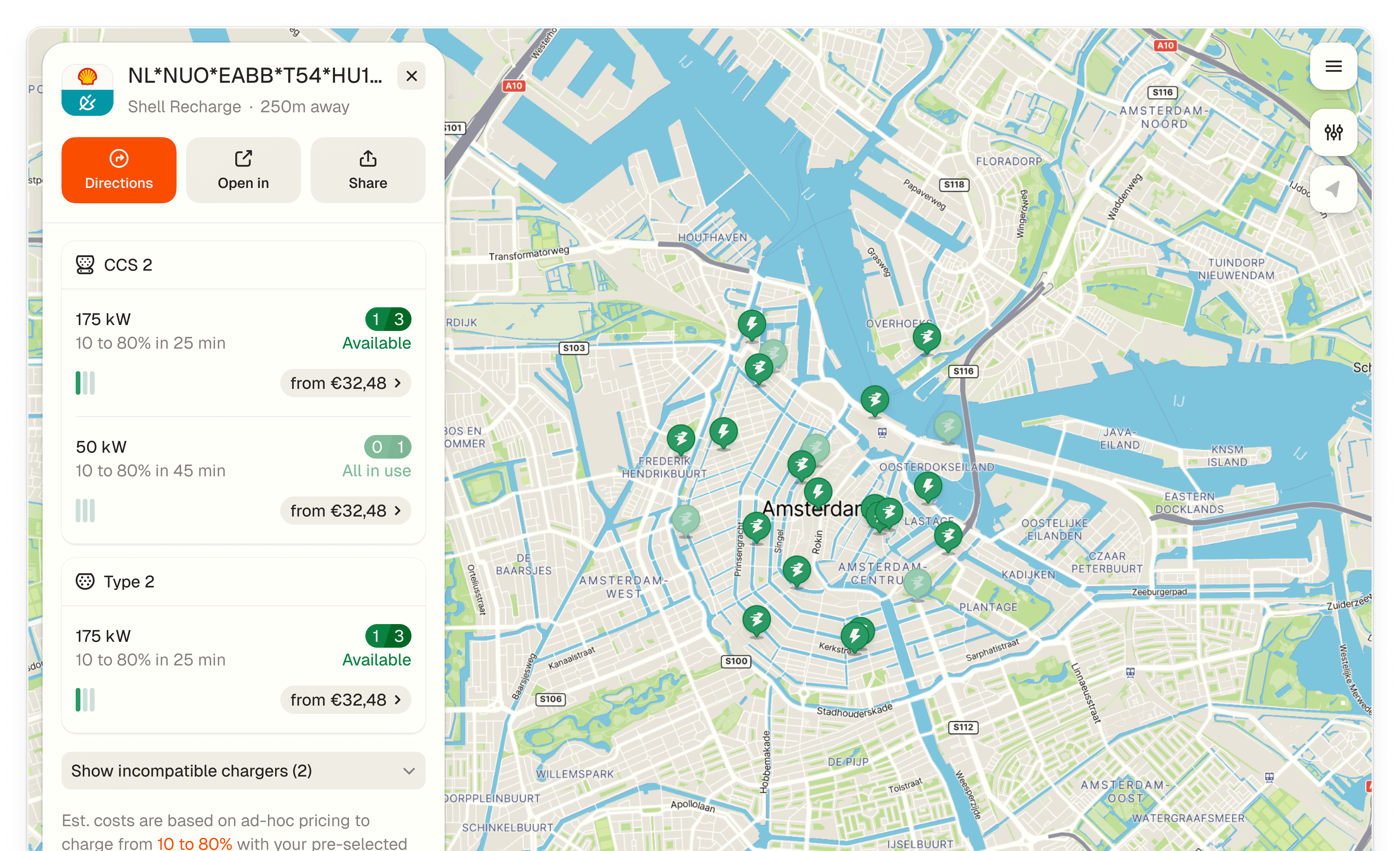
WLTP stands for Worldwide Harmonised Light Vehicle Test Procedure. It replaced the older NEDC standard in Europe and produces range figures that are closer to real-world performance than its predecessor, but still not the same. The test is conducted in a controlled environment at 23 degrees Celsius, with no cargo, no passengers, no heating or air conditioning, and a standardised drive cycle that blends urban and motorway-style driving at speeds and accelerations more moderate than typical commercial use.
The result is the vehicle's best-case range under those specific conditions. It is accurate for exactly those conditions. The problem is that almost no real journey, and almost no commercial fleet operation, replicates them.
Temperature is the largest variable. At 0 degrees, most EVs deliver 15 to 25% less range than their WLTP figure. At minus 10 degrees the gap reaches 30 to 45%. Cold battery chemistry reduces available capacity, and cabin heating draws from the traction battery since there is no waste engine heat — two compounding effects that WLTP does not capture.
Speed is the second major variable. The WLTP test motorway segment averages around 62 km/h and peaks at 131 km/h. A fleet vehicle on a motorway at sustained 110 km/h is operating significantly above the test average. Aerodynamic drag increases with the square of speed, so the energy cost of motorway driving is disproportionately higher than the mixed-cycle test suggests.
Payload matters particularly for commercial vehicles. A cargo van at full load consumes materially more energy per kilometre than an empty test vehicle. WLTP uses no payload at all.
Battery age adds a compounding factor over the vehicle's operational life. Cells degrade through charge cycles at a rate that varies by charging behaviour and conditions — typically 2 to 4% per year under normal commercial fleet use. A vehicle whose WLTP figure suggests 350 km of range when new may realistically deliver 300 km in year three under similar conditions.
The practical implication for fleet managers, leasing companies, and rental operators is direct: any operational decision — route planning, charging infrastructure sizing, vehicle selection, residual value modelling — that uses WLTP range as its baseline is using an optimistic ceiling rather than an operational average. The gap is not a flaw in specific vehicles. It is a structural feature of how WLTP is measured.
Chargetrip's vehicle database does not use WLTP figures as its routing baseline. Each vehicle model has a validated real-world consumption curve built from actual driving data, incorporating the factors that WLTP excludes. Routes calculated through Chargetrip reflect what the vehicle will actually do, not what it achieved in a climate-controlled test cell.
See how this affects fleet planning, or how it matters for leasing and rental.