Newsroom

How eMSPs use EV routing to increase charging volume on their network

Newsroom

How eMSPs use EV routing to increase charging volume on their network

Newsroom

How eMSPs use EV routing to increase charging volume on their network

An eMSP's commercial model depends on charging volume, the number of sessions going through their network agreements. Volume depends on where drivers charge. And where drivers charge is increasingly determined before they arrive at a station, at the point where a routing app calculates where to stop.

An eMSP without routing integration is present at the transaction when the driver opens the app to pay at the charger, but absent from the decision. The driver used a navigation app or their vehicle's built-in system to plan the route, received a charging stop recommendation from that system, and ended up at whichever station it suggested. The eMSP gets the payment if the station is on their network. If it is not, they get nothing.

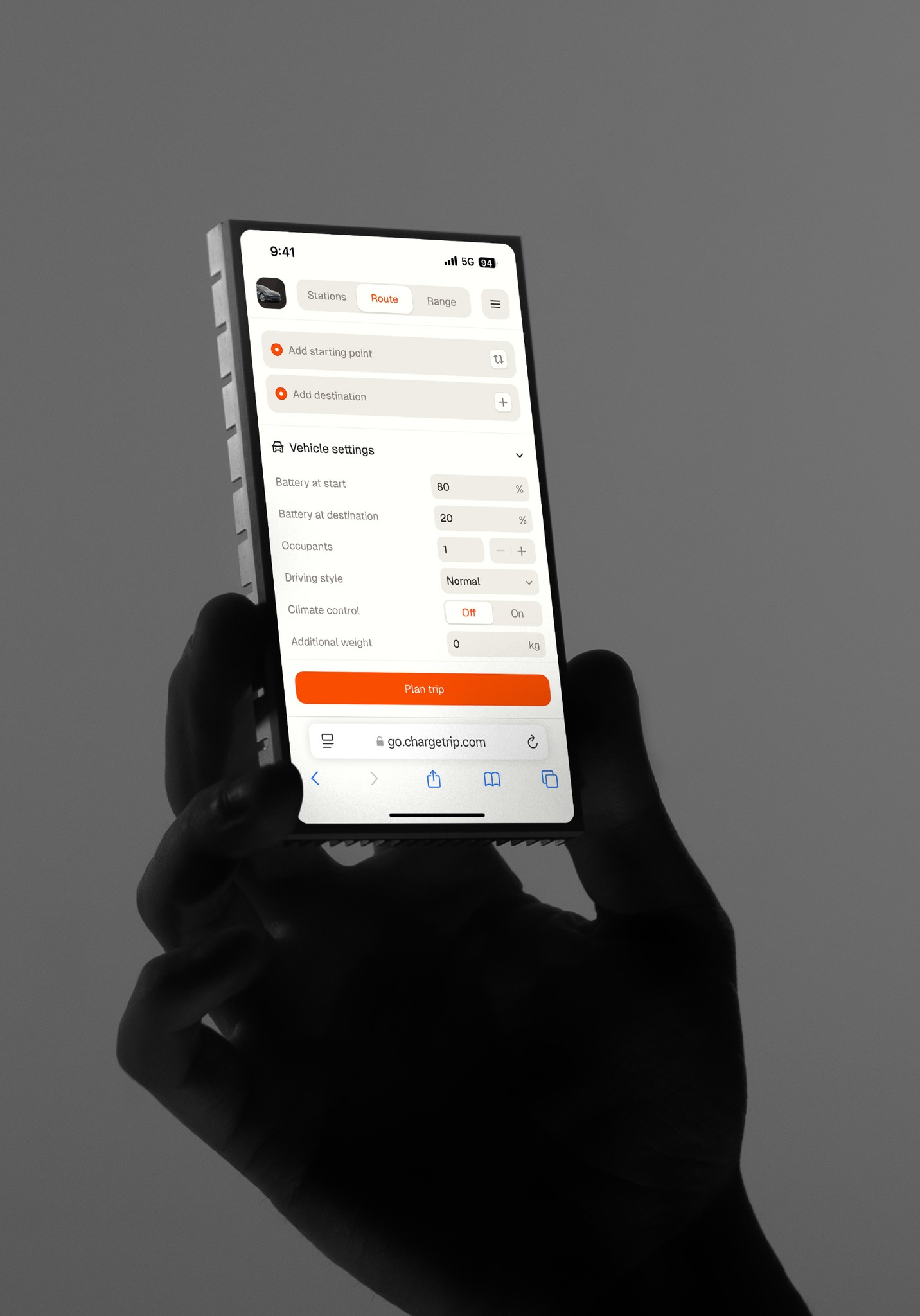
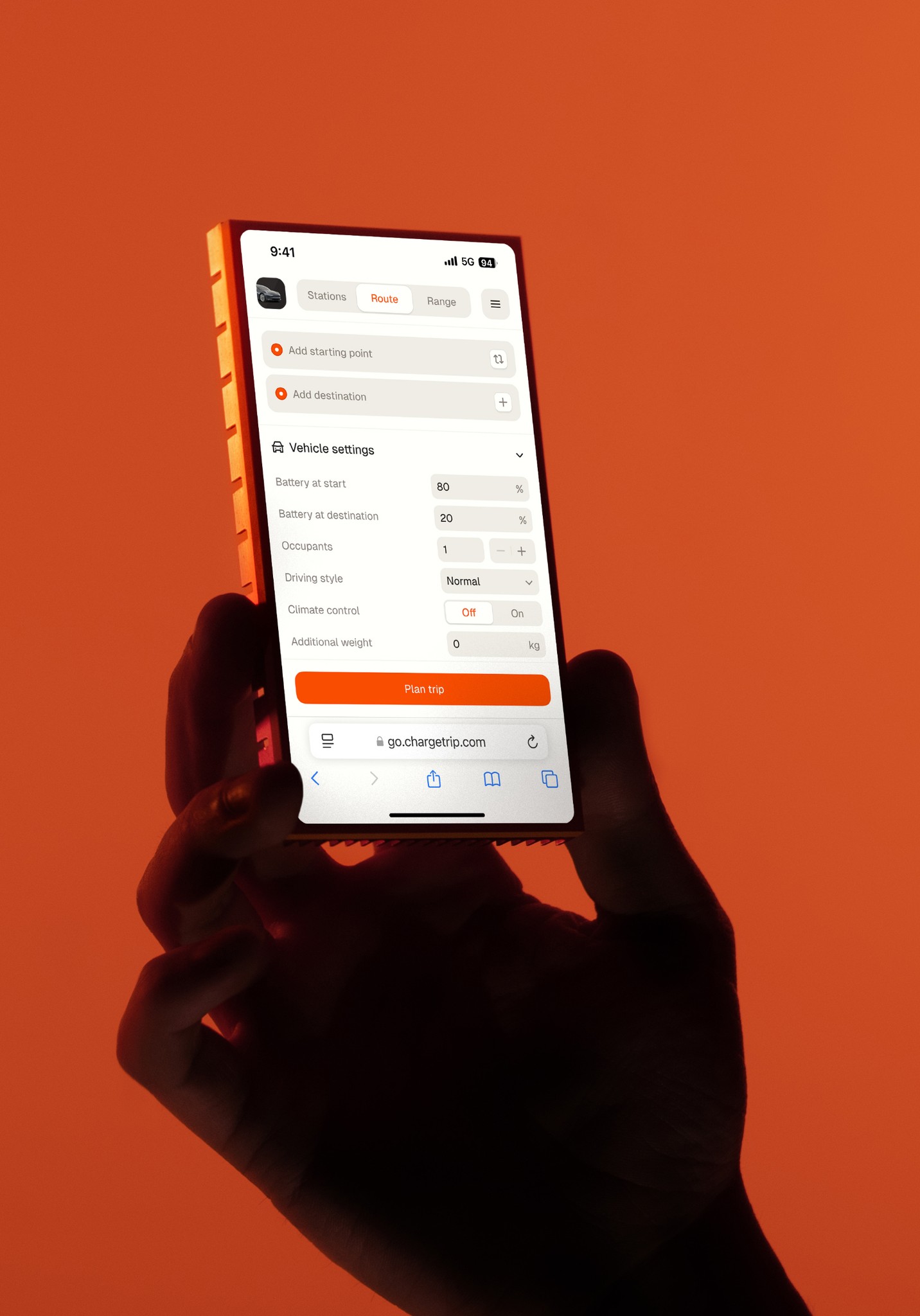
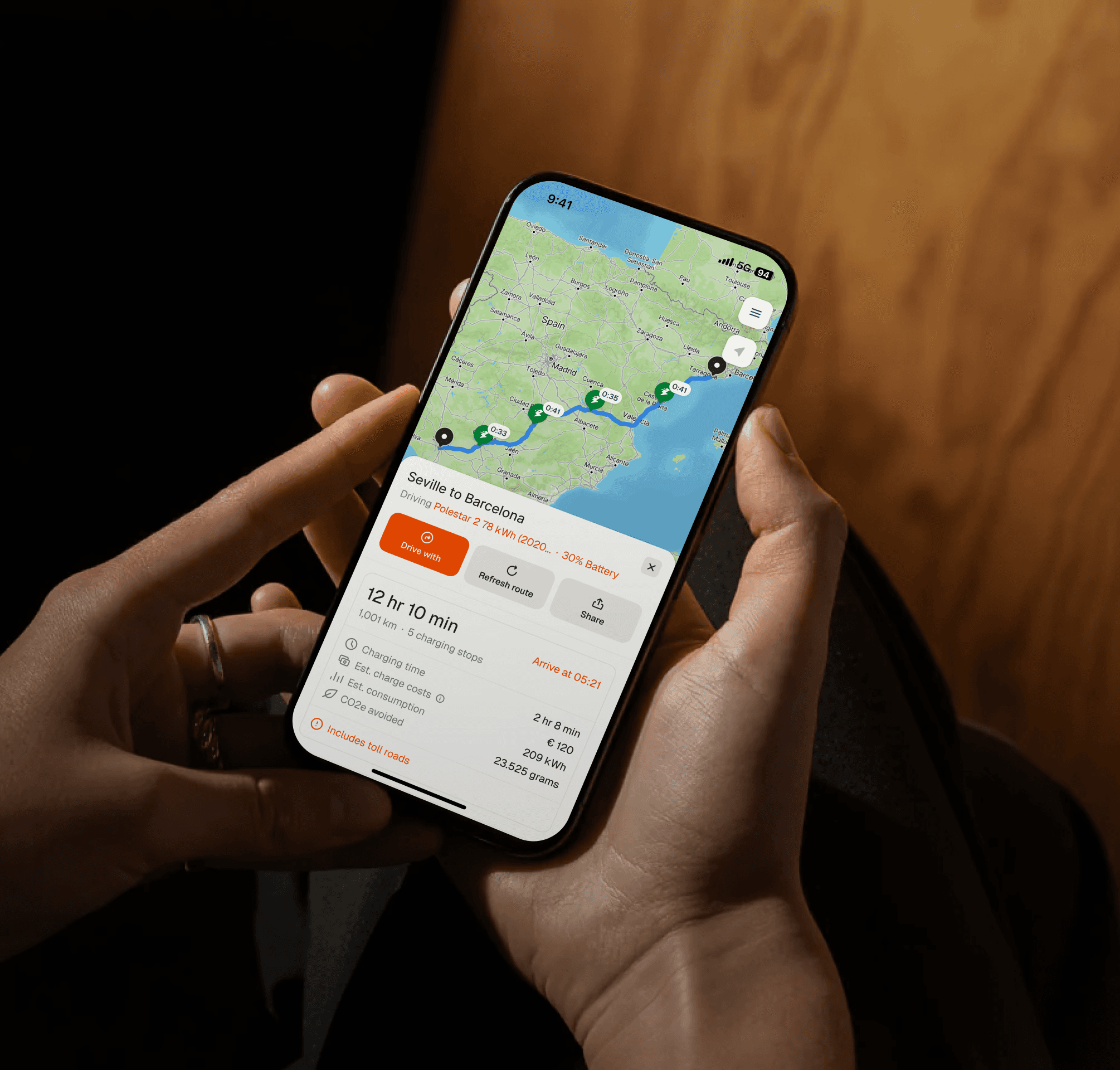
An eMSP with routing integration is present at the decision. When the driver opens the eMSP app to plan a journey, the routing engine selects charging stops from the eMSP's network, filtered by the driver's vehicle compatibility and the eMSP's access agreements. Every recommended stop is accessible with the driver's account. Every session is a steered session, not a lucky one.

The volume implication is direct. An eMSP whose routing integration covers its network's geographic footprint receives routing recommendations for every driver using their app who passes a route corridor where one of their network's stations is the best option. The competitor's station, which might have been recommended by a generic navigation app, is not in the picture.

Chargetrip's routing API supports operator preference natively. eMSPs configure which networks to prioritise in route calculations, and the routing engine selects stops from those networks for drivers using the eMSP's app. The driver gets a seamless experience, charging stops that work with their account, confirmed accessible before they arrive. The eMSP gets the session.

Octopus Electroverse integrated Chargetrip routing to enhance planning for their EV driver base, giving drivers accurate, vehicle-specific routes with charging stops drawn from the Electroverse network. The routing integration became a commercial channel, not a feature, a demand generation mechanism.

The operational benefit beyond volume is data. Routing-integrated charging produces journey and stop data that reveals driver behaviour patterns, network coverage gaps, and demand forecasts for specific corridors. eMSPs with this data make better decisions about network partnership investments and commercial agreements.

See how Chargetrip works for eMSPs, or read about the Octopus Electroverse integration.

Get started with Chargetrip

Chargetrip is a mission-driven technology company helping the world transition to electric mobility.

Subscribe for monthly perspectives from Chargetrip leadership.

© Chargetrip B.V

Chargetrip is a mission-driven technology company helping the world transition to electric mobility.

Subscribe for monthly perspectives from Chargetrip leadership.

© Chargetrip B.V

Chargetrip is a mission-driven technology company helping the world transition to electric mobility.

Subscribe for monthly perspectives from Chargetrip leadership.

© Chargetrip B.V